Home inspections reveal structural, mechanical, and safety issues before closing, giving buyers a stronger position to negotiate repairs or price — the core answer to what are the benefits of getting a home inspection before buying a house. A significant number of buyers include a professional inspection in their purchase process. We deliver detailed reports within 24 hours, plus free HomeBinder and RepairPricer tools, so buyers gain clarity and protect their investment with confidence.
Key Takeaways
- Professional inspections reveal property defects before purchase, protecting your investment from costly surprises.
- Detailed inspection reports document home conditions, enabling you to negotiate repairs or price adjustments.
- Identifying structural, electrical, and plumbing issues early prevents thousands in unexpected post-purchase expenses.
- Thorough inspections provide first-time homebuyers essential knowledge about their property’s true condition and needs.
Why Does a Home Inspection Matter Before You Buy?
A home inspection matters because it reveals the true condition of a property before money changes hands. Buyers who skip this step risk inheriting hidden defects, costly repairs, and unpleasant surprises after closing. We built our practice around this exact concern. The data backs up why so many buyers now insist on an inspection.
A significant number of buyers include a professional inspection in their purchase process, according to industry sources. This trend signals a shift: inspections have moved from optional extra to standard practice. Understanding the answer to “What are the benefits of getting a home inspection before buying a house?” starts with recognizing what the process actually involves.
What exactly happens during a home inspection?
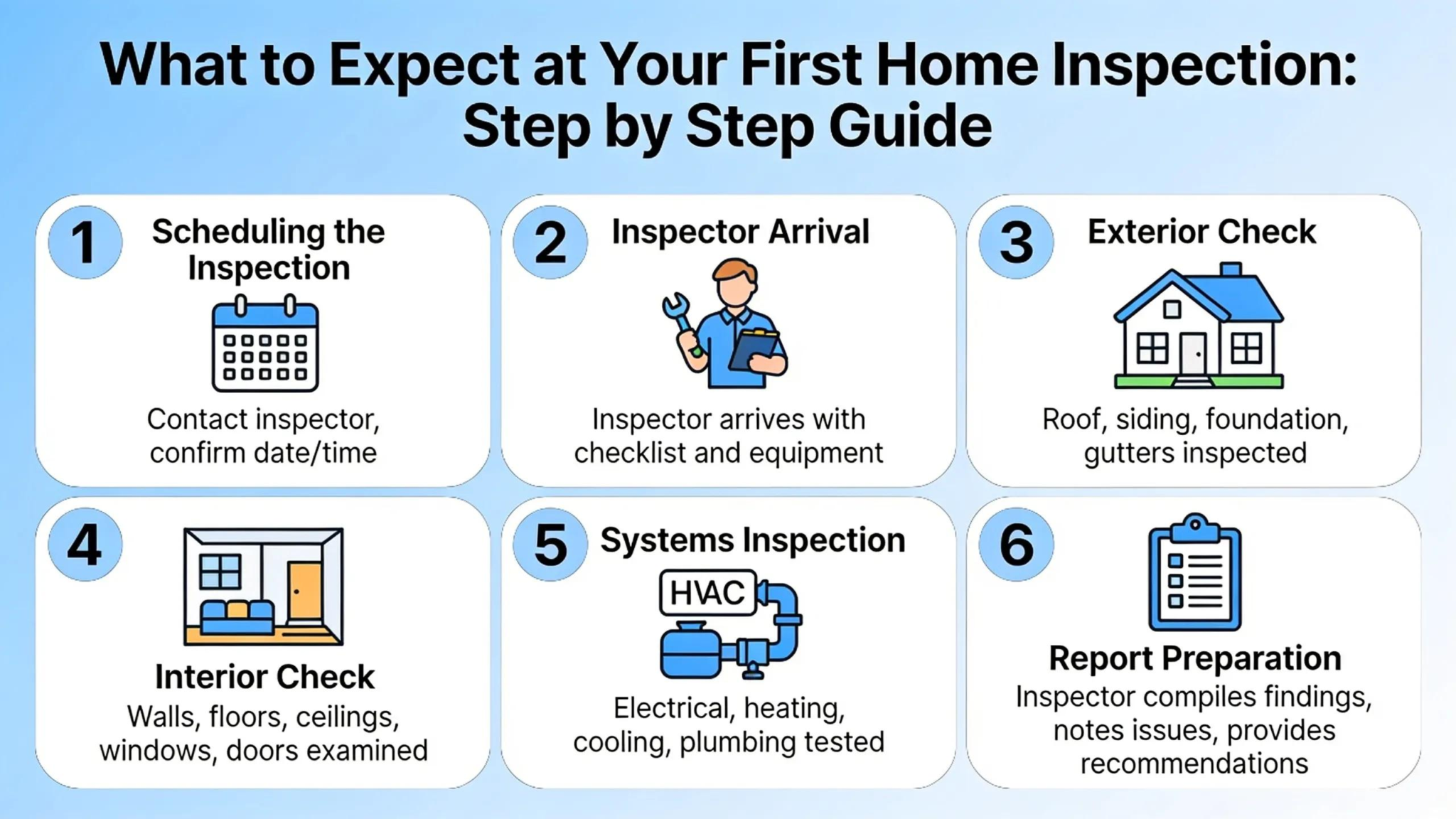
A home inspection is not a casual walk-through with a checklist glanced at in passing. It is a professional analysis of a home’s condition, conducted by trained eyes examining structure, systems, and safety features — and understanding a home inspection checklist for buyers helps set expectations before the inspector even arrives. Our inspectors document what a buyer cannot see during an open-house tour, then explain the findings in plain language.
Why did Total House Inspection start offering this service?
We founded Total House Inspection Inc around a single goal: helping home buyers make better decisions when purchasing a home. That mission remains part of our brand identity and continues to guide every inspection we perform across Southeast Michigan.
The value shows up in three concrete ways:
- Informed negotiation — findings give buyers negotiating strength to request repairs or price adjustments before closing.
- Risk reduction — a professional analysis uncovers issues invisible to an untrained eye.
- Long-term confidence — buyers move forward knowing the home’s true condition, not a guess.
Skipping this step trades a modest upfront cost for an unknown future liability. We do not believe that trade serves the families we work with.

What Hidden Problems Can an Inspection Uncover?
Foundation cracks, outdated wiring, and failing roof systems rank among the most common defects a thorough inspection exposes. These issues rarely surface during a casual walkthrough, yet they carry the highest repair costs after closing. Understanding the benefits of a home inspection before buying a house starts with recognizing what stays hidden from an untrained eye.
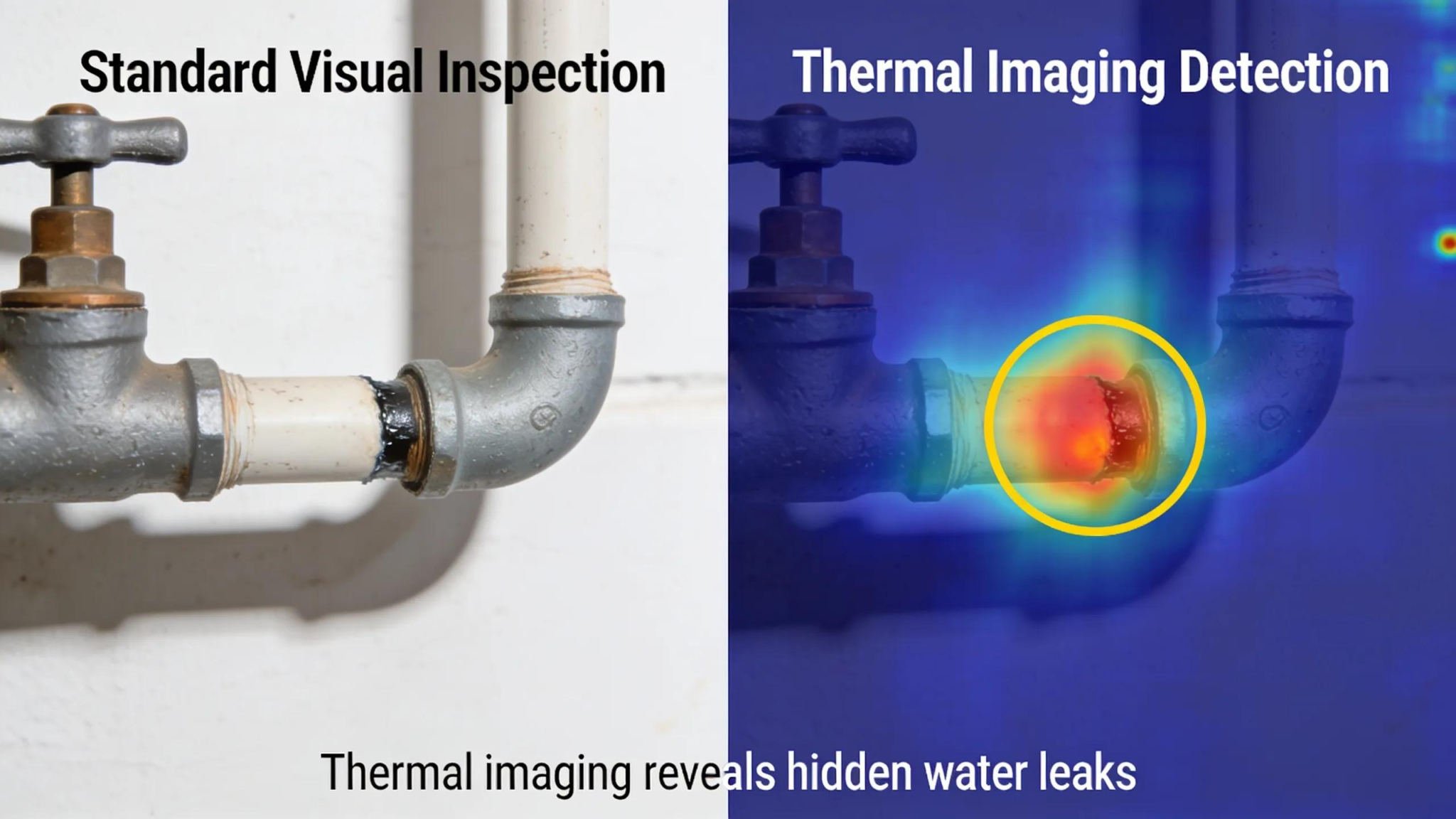
Our inspectors rely on more than a flashlight and a checklist. Thermal imaging detects temperature variations invisible to standard visual review, revealing electrical hot spots, hidden water leaks, and gaps in insulation. This technology extends the inspection well beyond a surface-level walkthrough, giving buyers a clearer picture of what lies behind walls and under floors.
What issues do buyers most want answered before closing?
Roof condition, furnace performance, and water heater reliability top the list of buyer concerns in nearly every inspection we perform. These three systems represent major replacement expenses, so confirming their true condition protects a buyer’s budget long before move-in day.
Why does uncovering these problems early matter?
A completed inspection report provides buyers with documented knowledge of identified defects’ scope and severity. That knowledge becomes negotiating strength: repairs get corrected before closing, or the purchase price gets renegotiated to reflect the true cost of ownership.
Common hidden issues our team identifies include:
- Structural cracks in foundations that signal settling or drainage failure
- Electrical panels and wiring that no longer meet current safety standards
- Moisture intrusion behind walls, detected through thermal variance
- Insulation gaps that drive up energy costs
- Aging roofing, furnace, and water heater components nearing end of service life
Skipping this step leaves buyers exposed to repair bills they never budgeted for. Our reports translate every finding into a clear action plan, not just a list of concerns.
How Does an Inspection Give You Negotiating Power?
Effective buyer home inspection negotiation starts with documentation: a detailed inspection report turns vague concerns into a concrete advantage at the negotiating table. Documented findings on major and minor property flaws give buyers factual grounds to request repairs, credits, or a lower price. Without that documentation, a buyer’s requests carry little weight.
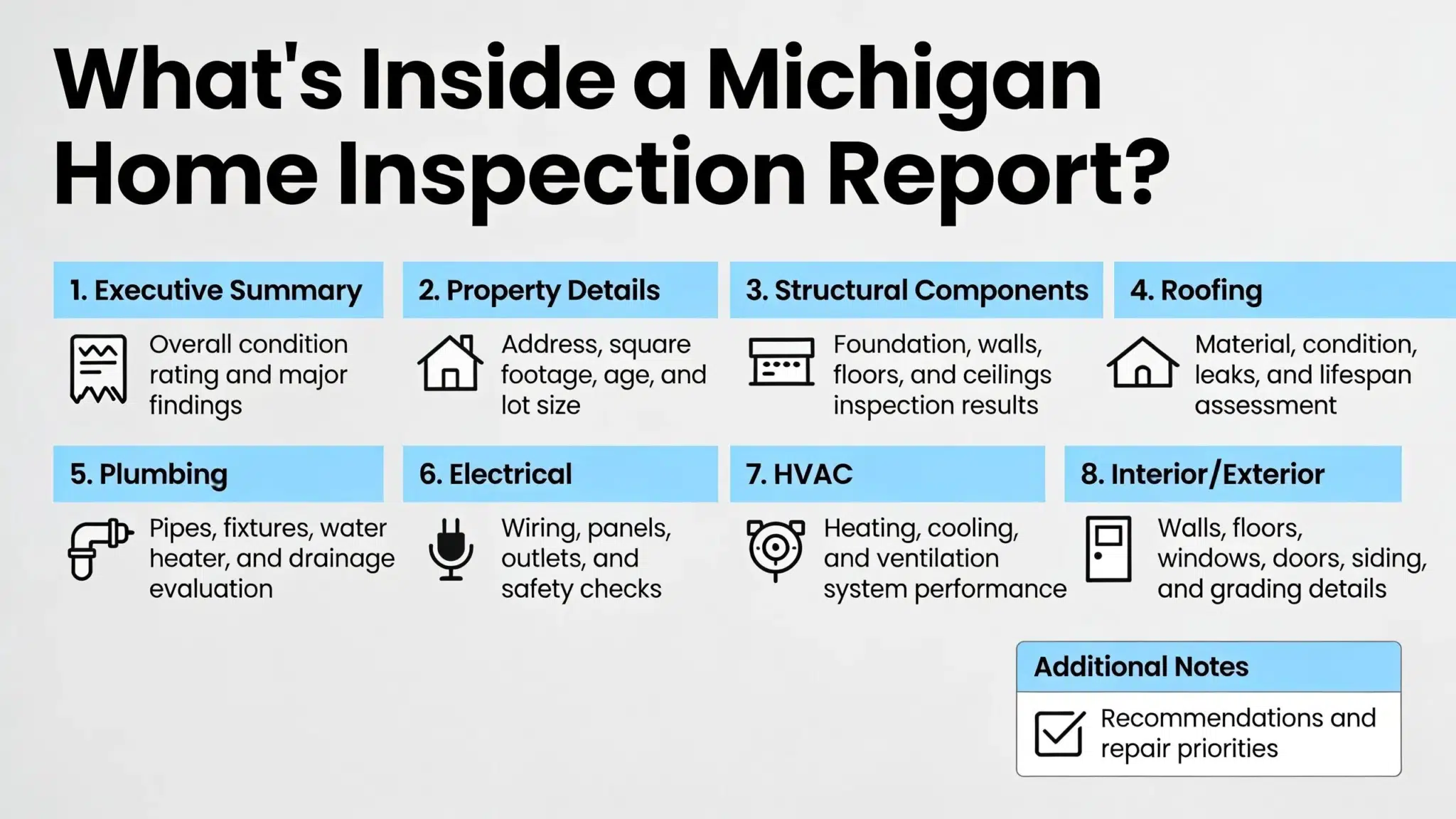
Our reports list findings on both major and minor property flaws, along with recommendations for repair or replacement where safety or wear-and-tear issues exist. This structure matters because sellers respond to specifics, not general impressions. A cracked foundation photo carries more weight than a verbal concern.
Timing also shapes negotiating strength. We deliver a complete inspection report within 24 hours of the visit, giving buyers time to review findings and act before contingency deadlines close. Waiting days for results often forces rushed decisions or a forfeited advantage.
Cost clarity strengthens the buyer’s position further. Every report includes RepairPricer, a tool that generates detailed repair cost estimates. Clients enter negotiations with real numbers instead of guesses. Sellers rarely dispute a repair estimate backed by data.
How much does the inspection itself cost?
Inspection fees vary based on the home’s size, age, condition, and the level of detail the buyer requests. Larger or older homes typically require more inspection time, which affects the final fee. Weighing home inspection cost vs savings makes the decision straightforward: a few hundred dollars upfront routinely prevents thousands in unbudgeted repairs after closing.
What should buyers ask sellers to fix?
Buyers should prioritize items tied to safety, structural integrity, and major systems flagged in the report. Cosmetic issues or normal wear typically carry less negotiating weight than documented safety concerns.
Negotiating power comes from evidence, not opinion. A report paired with clear cost data gives buyers the confidence. home buying protection needed to negotiate from a position of knowledge rather than guesswork.

Two technologies separate a routine walkthrough from a genuinely thorough evaluation: a digital home management
What Extra Tools Boost Inspection Confidence?
Two technologies separate a routine walkthrough from a genuinely thorough evaluation: a digital home management platform and thermal scanning equipment. Both extend the value of an inspection well past the day we walk through the property. We built our process around them because guesswork has no place in a decision this large.
HomeBinder anchors the first layer of confidence. Every client receives a free, personalized online dashboard tied to their inspection report. Documents, warranties, and maintenance schedules all live in one place. Homeownership doesn’t stop at closing, and neither does the value of the tool we hand over that day.
What does thermal imaging actually detect during an inspection?
Thermal imaging technology reads temperature variation across a structure, flagging anomalies invisible to the naked eye. Hidden moisture, energy loss, and heat irregularities all surface through this scan. Our inspectors use it to catch problems long before they become visible damage.
Where do inspectors point the thermal camera?
Coverage is systematic, not spot-checked. During a scan, our team examines:
- Walls and ceilings for hidden moisture intrusion
- Flooring for temperature irregularities tied to subsurface issues
- Electrical components for overheating risk
- Plumbing lines for leaks not yet visible
- Insulation gaps that drive energy loss
Each finding gets documented alongside the standard inspection report, giving buyers a fuller picture of the home’s true condition.
None of this technology replaces judgment. It sharpens it. Fifteen-plus years of field experience, paired with a team of InterNACHI-certified inspectors serving Troy, MI and Southeast Michigan, shapes how we interpret every thermal reading and every dashboard entry. Working with an InterNACHI home inspector in Troy MI means every finding is backed by nationally recognized training standards, not guesswork. Tools inform the inspection; expertise decides what the findings actually mean for the buyer standing in front of us.
How Should You Use Inspection Results To Decide?
Sound decisions start with reading the report as a full picture, not a checklist of flaws. Our team at Total House Inspection treats every finding as a data point for negotiation, repair planning, or walking away entirely. A report documents the true condition of a property. Buyers who understand the benefits of getting a home inspection before buying a house use those findings to weigh cost against risk, rather than counting problems alone.
We organize findings into three tiers to guide next steps:
- Safety and structural issues requiring resolution before closing
- Moderate repairs that factor into price negotiation
- Cosmetic or maintenance items worth noting but not deal-breaking
Pricing varies; contact the brand directly for more information. Weighing that cost against the price of an undiscovered furnace or roof replacement puts the investment into perspective quickly.
What if the inspection reveals major problems?
Major findings do not automatically end a purchase. We help buyers see the true picture of a home, answer lingering concerns, and present a full report of every issue discovered during the inspection. That clarity supports renegotiation, contractor estimates, or a confident decision to move forward.
Should minor issues change the offer?
Minor issues rarely justify walking away, but they still belong in the conversation. Buyers who track small deficiencies now avoid surprise costs later. A professional inspection remains a critical step in confirming a property’s condition before the sale closes, giving buyers the facts needed to negotiate from strength rather than guesswork.
FAQ
Why do most buyers get a home inspection before buying?
An inspection reveals a property’s true condition before money changes hands, giving buyers a stronger position to negotiate repairs or price adjustments. A significant number of buyers include a professional inspection in their purchase process.
What kinds of problems does a home inspection uncover?
Inspections expose structural, mechanical, and safety issues like foundation cracks, outdated wiring, and failing roof systems that rarely surface during a casual walkthrough. Thermal imaging also detects hidden temperature variations, revealing electrical hot spots and water leaks.
How does Total House Inspection help buyers after the inspection?
Total House Inspection delivers detailed reports within 24 hours, plus free HomeBinder and RepairPricer tools, so buyers gain clarity and protect their investment with confidence. The company has served Southeast Michigan since its founding.
Conclusion
In closing, a home inspection provides buyers with objective, evidence-based insight into a property’s true condition, empowering informed decisions rather than assumptions. This due diligence protects the investment, clarifies negotiation priorities, and establishes a reliable baseline for future maintenance. Purchasing a home represents a significant financial commitment, and a thorough, professional inspection ensures that commitment rests on documented fact rather than guesswork. Buyers who prioritize this step position themselves for long-term confidence, transparency, and peace of mind throughout their homeownership journey.