Thermal Imaging Inspection

FREE Limited Thermal Inspection

Thermal Imaging Inspection

Thermal Imaging Inspection – the Whats and the Whys

A complete home inspection is to check your whole home. These cover your home’s roof, walls, plumbing, electrical, and other areas.
However, an inspection without thermal imaging can miss certain issues like hidden leaks, overheated electrical outlets, HVAC thermal variations, etc. These issues can lead to major problems down the line, both financial and physical.
There are certain benefits that only a thermal imaging inspection service can offer.

A thermal imaging inspection employs special cameras that detect infrared radiation (heat). Hot parts of your home appear bright, while dark areas in the image show that the temperature is low. This helps identify any temperature difference that the naked eye may miss, even in hidden areas like behind a wall.

Common Issues Detected during a Thermal Imaging Inspection

  • Water Intrusion and Leaks
  • Insulation Issues
  • Electrical System Problems
  • Structural Defects
  • HVAC System Inefficiencies
  • Pest Activity

Non-Invasive

To find any hidden leaks or insulation breakage, you don’t need to break open the wall or tear the HVAC system down. A certified inspector from Total House Inspection will check the temperature difference and pinpoint exactly where the issue is – for targeted repairs.

Early Detection

Even if you haven’t had any issues as of late, that doesn’t mean there will not be any issues in the future. Instead of letting them grow into costly problems, an infrared thermal imaging inspection can highlight these issues early on – saving you from hassle later on.
It’s a good idea to get a thermal imaging inspection from certified inspectors like those at Total House Inspection. For more details, call 248.688.8004.

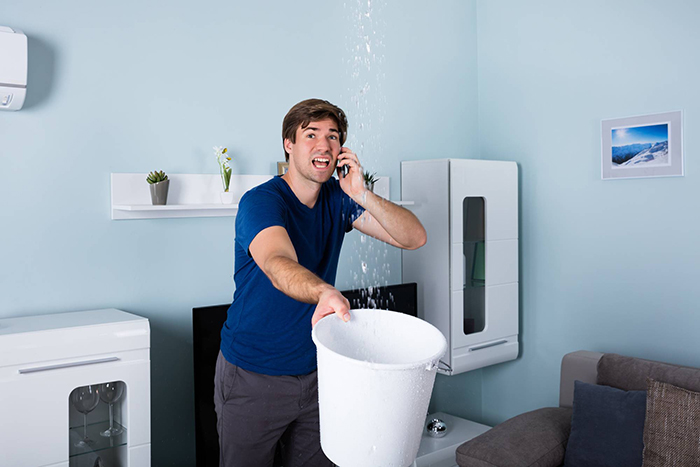
Water Intrusion and Leaks

A leaking pipe behind a wall, for example, can go unnoticed for months until you see visible damage. Such water intrusion can damage your property’s structure and lead to mold growth.

If you get a thermal imaging inspection, you’ll see such issues early on and can take the necessary steps for swift repair – with minimal damage.

Man holding a bucket to catch water leaking from the ceiling while talking on the phone in a living room, illustrating the urgency of addressing water intrusion issues identified by thermal imaging inspections.
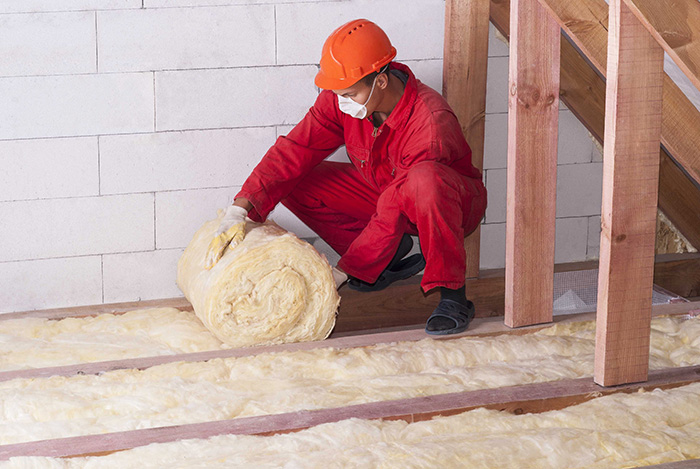
Worker in red uniform and safety gear installing insulation in a home, highlighting the importance of addressing insulation issues for energy efficiency and comfort.

Insulation Issues

Uneven or missing insulation can make living uncomfortable in summer and winter. It can also spike energy bills, which is never good.

A thermal imaging inspection service can detect insulation issues because there will be a temperature difference between well and poorly insulated areas. You can change the insulation in those areas without redoing the whole home.

Electrical System Problems

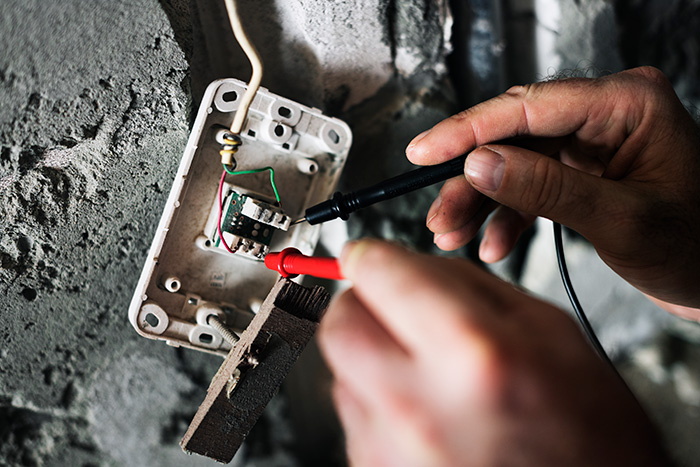
An overheated electrical socket or wire is a fire hazard waiting to happen.

Thermal imaging can help identify any such issues so you can replace the faulty equipment – ensuring your family’s safety.

Hands using multimeter probes on an electrical socket, inspecting for potential overheating and safety hazards related to electrical systems.
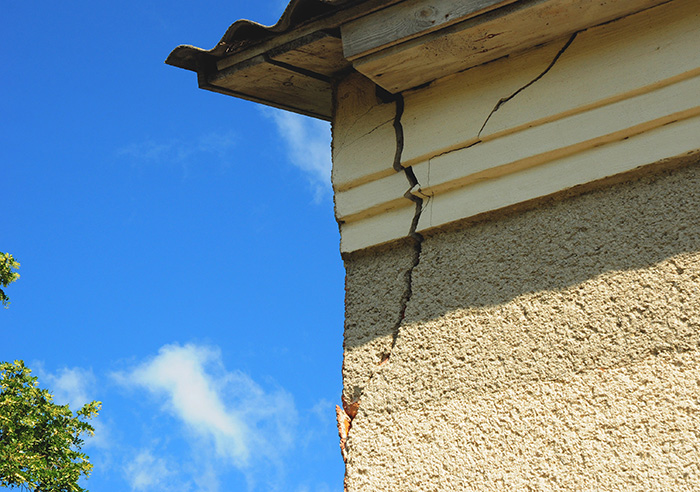
Cracked exterior wall corner showing potential structural defects, emphasizing the importance of thermal imaging inspections for identifying hidden issues in homes.

Structural Defects

Uneven foundations or hidden cracks can cause major structural complications in the years to come. However, thermal imaging inspection can detect these issues.

There’s usually a temperature difference between properly set and uneven/cracked foundation. Once you identify these areas, you can ask for a detailed structural inspection.

HVAC System Inefficiencies

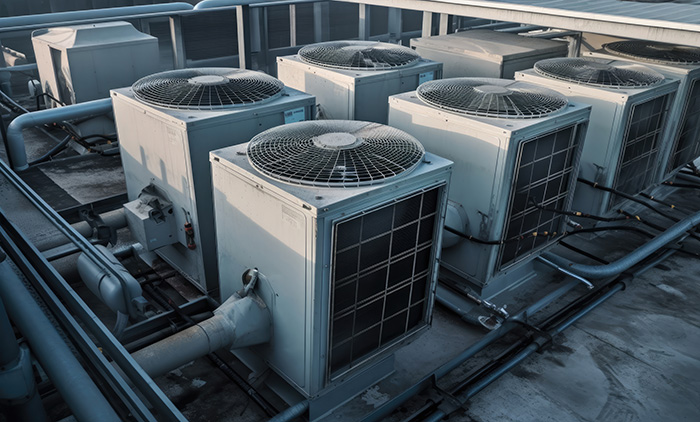
A blocked duct, leaks around the vents, or any other issue in your HVAC system can appear as a temperature anomaly in a thermal imaging inspection.

By identifying these, you can do surgical repairs – reducing costs and increasing comfort.

HVAC units on a rooftop, illustrating potential areas for thermal imaging inspection to identify inefficiencies and temperature anomalies.
Pest control technician in protective gear spraying insecticide on wooden floor, with visible pests nearby, illustrating thermal imaging's role in detecting pest activity.

Pest Activity

Pests usually hide themselves very well. But they tend to gather in areas, creating a distinct heat signature.

Infrared thermal imaging inspection can detect those signatures and help you get rid of these pests.

How much does it cost for a thermal imaging inspection?

Thermal Imaging Inspection With a Home Inspection: Request a Quote

The final cost may depend on the property and inspection requirements.

Insulation Issues Revealed by Thermal Imaging

Home Inspection Service Areas

Located in Troy Michigan, we inspect homes and commercial buildings in the following counties:

Please call us even if you are outside the area. We will make an effort to accommodate you, and your house inspection needs.

Curious What a Real Inspection Report Looks Like?

Take a look at a real sample report before you book — clear, photo-backed, and easy to read.

FAQ - Frequently Asked Questions

A thermal imaging inspection uses an infrared camera to identify temperature differences across walls, ceilings, floors, electrical components, and HVAC systems. These temperature patterns may reveal problems that are not visible during a standard visual inspection.

Thermal imaging may help identify signs of hidden moisture, plumbing leaks, missing or uneven insulation, air leakage, overheated electrical components, HVAC inefficiencies, and some forms of pest activity. Any unusual pattern should be investigated further to determine its exact cause.

No. Thermal cameras do not see through walls or other solid materials. They measure surface temperatures and display patterns that may indicate moisture, missing insulation, overheating, or another condition behind the surface.

Thermal imaging can reveal temperature patterns that may be associated with moisture or a hidden leak. However, it does not directly detect water, so inspectors may use moisture meters or recommend additional evaluation to confirm the source.

It may identify electrical panels, outlets, wiring, or other components with unusual heat patterns. These patterns can indicate loose connections, overloaded circuits, or failing components, but further evaluation by a qualified electrician may be necessary.

No. Thermal imaging complements a visual home inspection but does not replace it. Inspectors combine infrared findings with visual observations, testing, and professional judgment to provide a more complete assessment of the property.

No. Thermal imaging is a non-invasive inspection method. The infrared camera can scan accessible surfaces without opening walls, removing flooring, or damaging the property.

No. A temperature difference indicates an anomaly, but it does not automatically confirm a specific defect. Sun exposure, weather conditions, appliances, ventilation, and other factors can influence thermal patterns. The inspector interprets the images and may recommend additional testing.

Thermal imaging can be valuable during a home purchase, a maintenance inspection, or when investigating unexplained moisture, drafts, uneven room temperatures, high energy bills, or suspected electrical overheating.

Total House Inspection offers a free limited thermal inspection with its complete home inspection service. Contact the company before scheduling to confirm what areas and components are included in the limited scan. View the Thermal Imaging Inspection page.