By Dan Joandrea, Total House Inspection Inc.
Michigan has no state licensing requirement for home inspectors. That’s not a technicality buried in fine print. It means anyone can legally call themselves a Michigan home inspector tomorrow morning without passing an exam, logging a single field hour, or carrying insurance. For home buyers, that reality raises the stakes considerably. A weak inspection doesn’t just miss problems. It leaves you negotiating blind and potentially inheriting tens of thousands of dollars in hidden repairs.
This guide walks you through exactly what separates a qualified inspector from an unqualified one, from professional credentials and advanced tools to report quality and pricing benchmarks. The standards used throughout reflect what the best home inspectors in Michigan actually do in practice, including Troy-based Total House Inspection, which according to the company has served southeast Michigan for over 15 years with InterNACHI certification and a full suite of inspection services. By the end, you’ll know how to evaluate any inspector quickly, ask the right questions before you book, and recognize the red flags that signal a subpar inspection.
Why Michigan's unregulated market raises the stakes for buyers
Michigan is one of several states that imposes no licensing requirement on home inspectors. There is no state exam to pass, no minimum training hours to complete, no continuing education mandate, and no state board to file a complaint with if something goes wrong. The burden of vetting an inspector falls entirely on you, the buyer. That’s a significant shift from how most licensed trades work, and most buyers don’t realize it until after they’ve already booked.
Because the state provides no minimum floor, professional associations and private certifications are what fill the gap. Inspectors who pursue credentials like InterNACHI or ASHI are voluntarily subjecting themselves to standards Michigan law doesn’t require. That voluntary choice is one of the most useful signals you can look for when evaluating a home inspector. An inspector who holds no professional certification and carries no insurance has no externally recognized industry credential and fewer formal protections for you as the buyer. Civil remedies may still exist if something goes wrong, but pursuing them is typically costly and time-consuming.
Credentials that separate serious Michigan home inspectors from the rest
What InterNACHI certification actually requires
The InterNACHI Certified Professional Inspector (CPI) designation is among the most commonly recognized credentials in the Michigan inspection market. Earning it requires passing the International Inspector Certification Exam, completing pre-certification training, following a published standards-of-practice framework, and completing 24 hours of continuing education every year. That annual CE requirement isn’t a formality. Building systems change, code interpretations evolve, and an inspector who isn’t keeping current is working with outdated knowledge. To maintain CPI status, inspectors must also retake the Online Inspector Examination every three years with a minimum score of 80%, an ongoing accountability standard that distinguishes active CPI holders from someone who credentialed once and never renewed. According to the company, inspectors at Total House Inspection hold active InterNACHI certification, which means they’re re-certifying continuously rather than coasting on a one-time designation.
ASHI, CMI, and what the other designations signal
ASHI (American Society of Home Inspectors) is the other major credentialing body and carries comparable rigor, including the National Home Inspector Examination (NHIE). The CMI (Certified Master Inspector) designation sits above both as an elite-tier credential typically earned through a combination of inspections completed, additional training, and documented professional history. When an inspector holds any of these credentials alongside verified field experience, it signals a genuine, documented commitment to the profession.
Insurance as a non-negotiable baseline
Professional credentials matter, but errors and omissions (E&O) insurance is the practical safeguard that protects you if something significant gets missed. E&O coverage means that if an inspector fails to catch a major defect and you can document the oversight, there is an insured party to pursue. General liability insurance covers property damage during the inspection itself. Michigan law requires neither policy, so asking for proof upfront is how you separate accountable professionals from unprotected operators. If an inspector can’t produce a current certificate of insurance on request, that’s a disqualifying answer.

Credentials that separate serious Michigan home inspectors from the rest
Thermal imaging: seeing what a flashlight can’t show
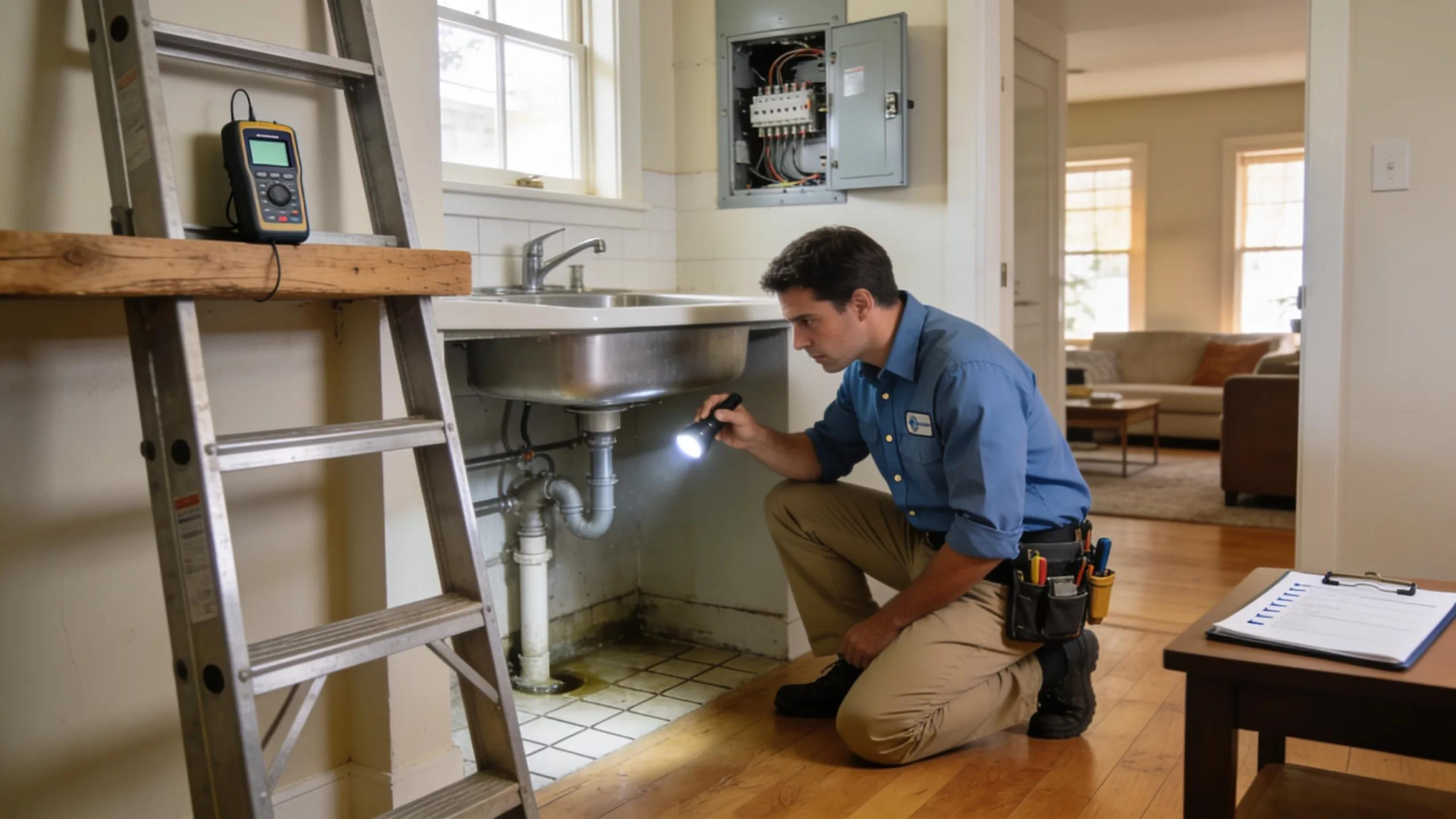
Standard visual inspections catch a lot, but they can’t detect moisture behind drywall, missing insulation above a ceiling, or overloaded electrical circuits. Thermal imaging cameras read temperature differentials across surfaces using infrared technology, flagging anomalies invisible to the naked eye. The camera doesn’t see moisture directly; it detects the cooler surface temperatures caused by evaporative cooling in wet areas, the cold spots left by missing insulation, and the heat signatures produced by electrical faults. This tool is especially valuable in Michigan homes, where freeze-thaw cycles and basement moisture problems are common seasonal realities.
According to Total House Inspection, thermal imaging is included as part of their standard service lineup, which means buyers get this diagnostic capability without hunting down a separate vendor. An inspector offering thermal imaging is operating with a fundamentally wider view of the home than one relying on visual assessment alone. For older homes, especially those built before modern vapor barriers and air-sealing practices, this isn’t an optional upgrade; it’s a substantial advantage.
Sewer camera inspection and health-risk add-ons worth taking seriously
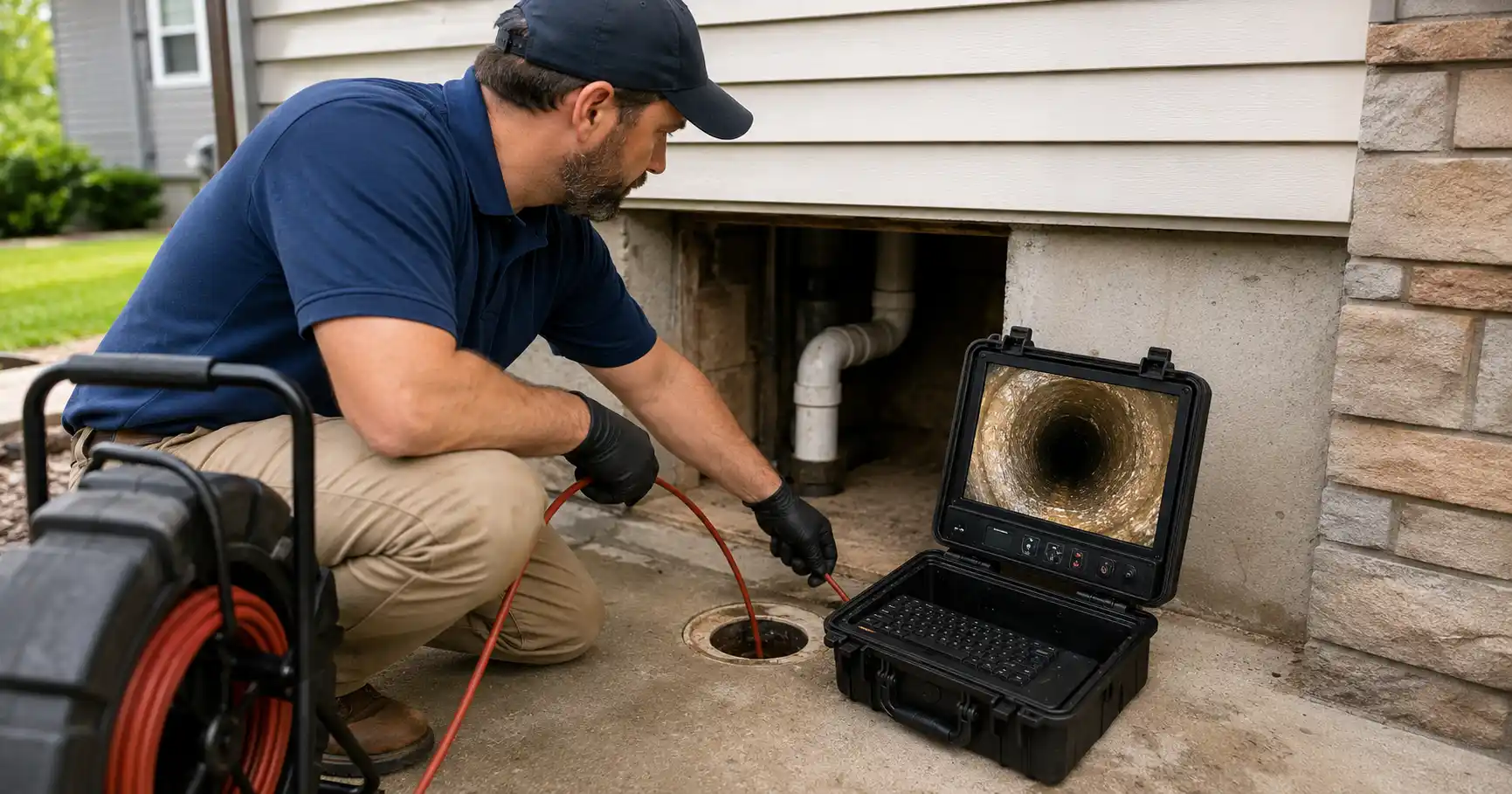
A standard home inspection doesn’t cover underground sewer lines, and sewer problems are among the most expensive surprises a buyer can face after closing. Sewer video inspection runs a camera through the drain line to check for root intrusion, pipe collapse, offset joints, and blockages. For any home over 20 years old or with mature trees on the property, a sewer scope is worth the added cost. Many firms offer this as a bundled add-on so you don’t need to coordinate a separate vendor and manage two separate reports; confirm whether your inspector provides this option when you book.
Radon testing is equally important in southeast Michigan, where soil conditions tend to produce elevated readings. Radon is odorless and colorless, and the only way to know your exposure level is to test. Mold testing identifies hidden mold presence in basements, crawl spaces, and attics beyond what’s visually apparent. Both tests require separate scheduling and lab processing, so working with an inspector who handles them in-house simplifies the timeline and the chain of accountability when results require follow-up.
Essential Credentials for Michigan Home Inspectors
Before booking any Michigan inspector, ask for a sample report. A detailed inspection report should cover every major system in the home: the roof, attic, structural components, HVAC, plumbing, electrical, foundation, basement, fireplace, windows, and exterior. The depth of that coverage varies widely between firms, a useful benchmark is whether the report accounts for every inspectable component across all those systems in granular detail. A strong report doesn’t just list issues; it explains severity, includes photos, and distinguishes between safety hazards and routine maintenance recommendations so you can prioritize your response.
Many leading firms now deliver reports same-day or within 24 hours of the inspection, and web-based digital formats are the norm among established companies. A digital format lets you share the report instantly with your agent, attorney, or contractor without waiting for a mailed document. Be cautious about inspectors who quote a 48-to-72-hour window without explanation, or who deliver a PDF scan of a handwritten checklist. Report speed and format are practical signals about how seriously an inspector takes the client experience.
Some inspectors back their work with a limited warranty covering repairs related to missed defects after closing. This isn’t universal, many Michigan inspectors don’t offer it, so if a firm does include a post-inspection warranty, that’s a notable differentiator worth confirming in writing before you book. It signals that the company stands behind its findings well beyond the day the report is delivered.
Take a look at a real sample report before you book — clear, photo-backed, and easy to read.
Red flags that tell you to keep looking
Any inspector who can’t produce proof of professional certification and current insurance should come off your shortlist immediately. Given that Michigan has no state licensing, these credentials are the only external verification that an inspector has met any standard at all. Vague answers like “I’ve been doing this for years” or “I’m working on getting certified” are not acceptable substitutes for documented credentials. Also be cautious of any inspector who won’t let you attend the inspection in person. Being present lets you ask questions in real time and understand the findings before you receive a written report.
An unusually low quote, say, below $300 for a standard single-family home in most Michigan markets, may warrant extra scrutiny, as deeply discounted pricing can reflect reduced time, narrower scope, or limited coverage. A report that runs three pages with no photos, no severity ratings, and no recommendations is not a useful document for negotiating repairs or making a sound purchase decision. If an inspector can’t produce a sample report when asked, that’s a clear signal the final product won’t meet the standard you need.
What to budget for a Michigan home inspection in 2026
For a standard single-family home inspection in Michigan, budget between $400 and $600. The final number depends on square footage, the age of the home, and the inspector’s experience and certification level. Certified inspectors with advanced tools and strong track records typically sit in the upper half of that range. That premium is worth paying. A $450 inspection that catches a $12,000 HVAC issue or a deteriorating roof pays for itself many times over before you even reach the closing table.
Common add-on services and their typical Michigan price ranges include:
- Radon testing: $200 to $300, depending on whether it’s bundled with the standard inspection
- Thermal imaging: $100 to $250, often discounted when combined with the standard inspection
- Mold testing: $350 to $750, depending on the number of samples and lab processing fees
- Sewer scope inspection: $220 to $400, confirm the quote upfront when bundling with a standard inspection
A fully bundled package covering the standard inspection, radon, thermal imaging, and a sewer scope typically runs between $800 and $1,100 in the Michigan market, with a realistic midpoint near $950. Bundling multiple services with one company often saves time and can reduce total cost compared to coordinating separate vendors for each test.
An unusually low quote, say, below $300 for a standard single-family home in most Michigan markets, may warrant extra scrutiny, as deeply discounted pricing can reflect reduced time, narrower scope, or limited coverage. A report that runs three pages with no photos, no severity ratings, and no recommendations is not a useful document for negotiating repairs or making a sound purchase decision. If an inspector can’t produce a sample report when asked, that’s a clear signal the final product won’t meet the standard you need.
The bottom line on finding the best home inspector in Michigan
To find the best home inspector Michigan buyers can rely on, work from a clear checklist: InterNACHI or ASHI certification, verified E&O and general liability insurance, verifiable experience with documented inspection volume, advanced tools including thermal imaging and sewer cameras, and a detailed digital report delivered same-day or within 24 hours. Michigan’s lack of state licensing means you can’t rely on a government database to do the vetting for you. Asking direct questions before you book is the only reliable filter.
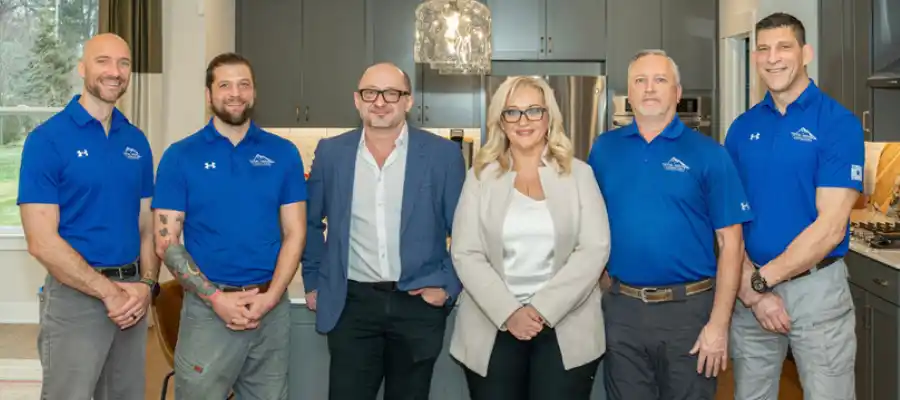
Total House Inspection is built around that checklist. According to the company, they bring 15-plus years of experience serving Oakland, Macomb, Wayne, and surrounding southeast Michigan counties, InterNACHI-certified inspectors, a full suite of add-on services, and an 11-month inspection warranty. Schedule through their online booking system, ask for a sample report, and confirm insurance coverage before you commit. When you walk in on inspection day, you’ll know the person leading the walkthrough has met the standard, not because the state required it, but because they chose to.
Frequently asked questions about home inspections in Michigan
Yes, and precisely because Michigan imposes no licensing requirement, voluntary certification from InterNACHI or ASHI is the only objective proof that an inspector has met a defined professional standard. Without it, you have no baseline for comparison.
Google Business profiles, the Better Business Bureau, and the InterNACHI member directory are the most useful starting points. Look for inspectors with a consistent volume of detailed reviews, not just star ratings, and pay attention to comments about report quality, thoroughness, and communication after the inspection.
Total House Inspection serves Oakland, Macomb, Wayne, and surrounding southeast Michigan counties from their Troy, Michigan base.
Yes, and that's one of its primary uses in a home purchase. A documented sewer camera video report with footage, still images, and written defect descriptions gives you a concrete basis to request a price reduction, a repair credit, or a seller-funded repair before closing. A verbal summary with no supporting documentation won't hold up in that conversation.