By Dan Joandrea, Total House Inspection Inc.
Appraisal vs inspection is one of the most common points of confusion for home buyers, and one of the most expensive. Most buyers assume they cover the same ground. They don’t. Confusing the two is a costly mistake that happens all the time.
Here’s the core distinction: an appraisal tells you what a home is worth. An inspection tells you what’s wrong with it. Those are two completely different questions, answered by two different professionals, documented in two completely different reports. One protects the lender’s money. The other protects yours.
Understanding how each one works, who pays for it, and when it happens gives you real leverage during the buying process. Companies like Total House Inspection exist specifically to answer the condition question that no appraisal ever fully addresses. This article breaks both down side by side so you know exactly what you’re dealing with before you close.
Appraisal vs Inspection: What Each One Is Actually For
The purpose of each report is fundamentally different, and that difference shapes everything else about how they work. They’re not redundant. They’re not interchangeable. They solve separate problems.
The appraisal answers one question: what is this home worth?
An appraisal is a licensed appraiser’s professional opinion of a property’s market value. It exists primarily to protect the lender, not you. Before approving your loan, the lender needs to confirm the home is worth at least as much as the amount they’re financing. If the appraiser says the home is worth less than the purchase price, the lender won’t cover the gap.
The appraiser reviews recent comparable sales in the area, then adjusts for differences in size, location, condition, and features to arrive at a dollar figure. The result is a valuation document. It is not a defect checklist, and it was never designed to be one.
The inspection answers a different question: what’s wrong with this home?
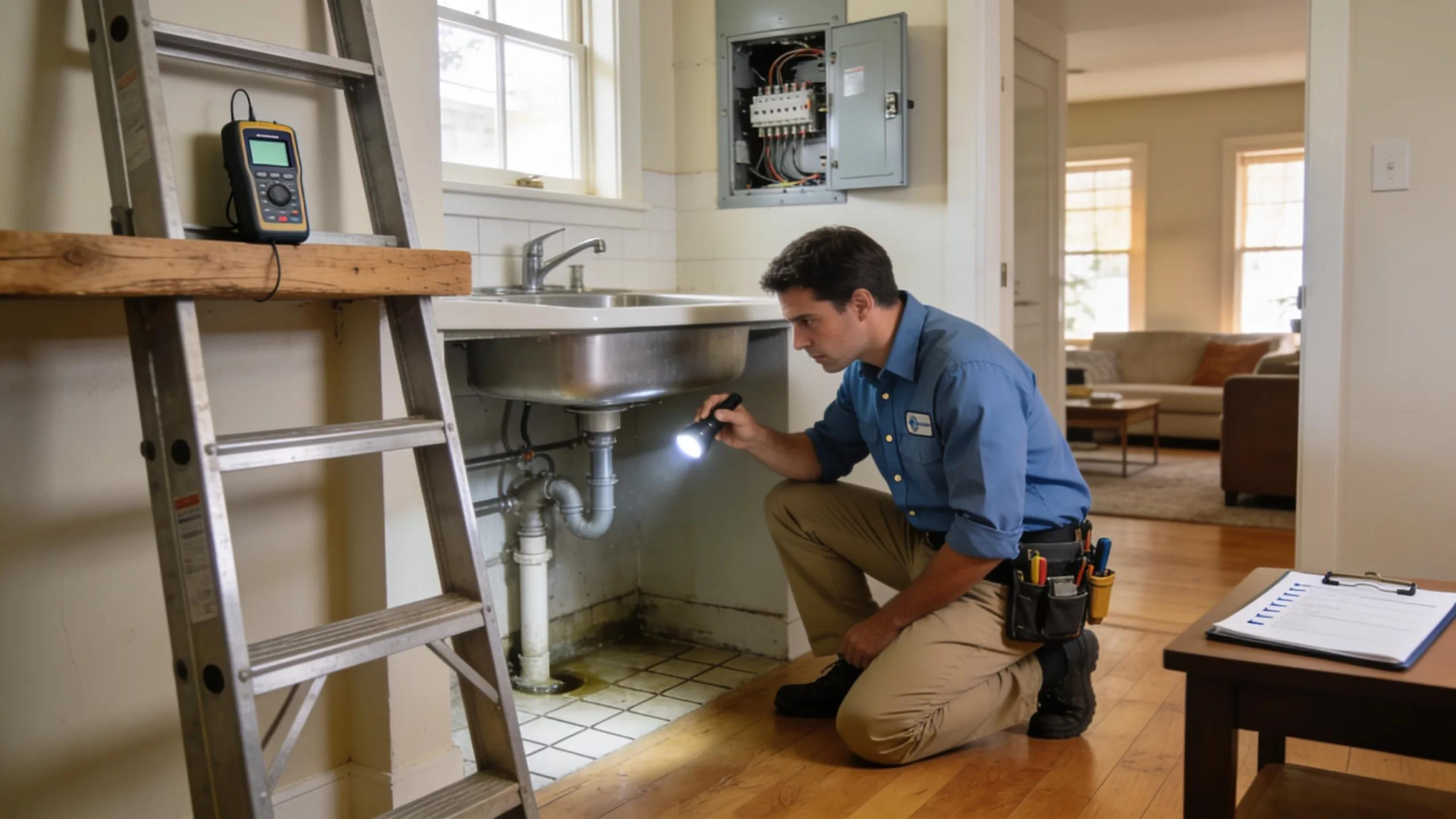
A home inspection is a thorough physical review of the property’s condition. A licensed home inspector examines the structure, systems, and components of the home to identify defects, safety hazards, and maintenance concerns. This one is for your benefit, not the lender’s.
You use the inspection findings to decide whether to move forward, ask for repairs, negotiate a credit, or walk away from the deal entirely. An appraiser notes condition only when it affects value, an inspector tells you exactly what needs attention and why, in plain language with photos attached.
Who Orders It and Who Actually Pays the Bill
Buyers are often surprised to find out they’re paying for something they didn’t get to order. Both the appraisal and the inspection typically come out of the buyer’s pocket, but the process for each is very different.
Appraisal: the lender’s request, the buyer’s expense
The lender orders the appraisal through an approved appraisal management company. You have no say in who performs it. Despite not choosing the appraiser, you pay for the service. The fee is usually wrapped into your closing costs and paid at or before settlement.
You do receive a copy of the report, but technically it’s the lender’s document, prepared for the lender’s use. The lender controls the timeline. That means this step can sometimes slow down your closing if the appraiser’s schedule is backed up or the report takes longer than expected to complete.
Inspection: the buyer’s choice, the buyer’s investment
You order the inspection independently, usually right after the purchase contract is signed and your inspection contingency window opens. You pay the inspector directly, typically at the time of service. Because you’re choosing the inspector, you have full control over who does the work.
That choice matters more than most buyers realize. A thorough, certified inspector who checks over 1,700 items will give you a very different report than one who rushes through the visit in 45 minutes. Do your homework here. This is the one professional in the entire transaction who is entirely on your side.
What Each Report Actually Shows You
The reports look nothing alike. Once you’re holding them, it’s immediately clear they were built for completely different purposes.
Inside an appraisal report
An appraisal report includes the property’s address, legal description, square footage, room count, and an overall condition rating. The bulk of the document is a market analysis: recent comparable sales, adjustments made for differences between those properties and yours, and the appraiser’s final opinion of value.
Condition is noted, but not in any useful detail. If the roof is visibly failing, the appraiser will mention it as a factor affecting value. They won’t explain the cause, describe the extent of the damage, or tell you what it’ll cost to fix. That’s not their job.
Inside a home inspection report
A thorough home inspection report covers roof condition, exterior siding, windows, doors, foundation, structural components, attic, insulation, HVAC, plumbing, electrical systems, basement, fireplace, and accessible appliances. It’s a complete physical accounting of the property.
That level of detail is what lets you negotiate with confidence or walk away cleanly, no appraisal gets you there. At Total House Inspection, a standard inspection covers over 1,700 items across all major systems. The digital report comes with photos, written deficiency descriptions, and specific repair recommendations, delivered fast so you can act within your contingency window.
Take a look at a real sample report before you book — clear, photo-backed, and easy to read.
Appraisal vs Inspection: Costs and Turnaround Times
The price difference between the two is smaller than most buyers expect. In 2026, you’re looking at roughly similar costs, but the value and timing of each work out very differently.
Appraisal cost and turnaround in 2026
A standard single-family home appraisal runs between $300 and $600 nationally in 2026, with most landing in the $314 to $424 range. In Michigan specifically, expect to pay closer to $450 to $560 for a typical suburban home, with more complex properties pushing into the $700 range. The appraiser usually spends about two hours on site. The completed report can take several business days after the visit, depending on workload.
Because the lender manages this timeline, not you, the appraisal can create bottlenecks in the closing process. You don’t schedule it; you just wait for it.
Home inspection cost and scheduling window
A standard home inspection in 2026 typically costs between $395 and $495, depending on the size and age of the home. You schedule it directly and can usually get on an inspector’s calendar within a few days of going under contract. Reports are commonly delivered within 24 hours of the visit, which gives you time to review the findings and decide how to respond before your contingency window closes.
Add-on services like radon testing, sewer scope inspection, or thermal imaging will add to the cost. They’re worth considering. Each one expands what you know about the property in ways a standard inspection alone won’t cover.
Which Comes First and How Each Contingency Protects You
The order of events matters. Understanding the sequence helps you use both tools strategically rather than just reacting to whatever comes up.
The typical order in a purchase timeline
The inspection almost always happens first. After your offer is accepted, you typically have 7 to 15 days to schedule and complete it, depending on your contract. The appraisal follows later, once the loan moves deeper into underwriting. The lender usually orders it after you’ve submitted your full mortgage application and the inspection contingency period has closed.
Both must be completed before closing, but they serve different checkpoints in the process. The inspection is your window to evaluate the property’s condition. The appraisal is the lender’s checkpoint for confirming the value supports the loan.
Appraisal contingency vs inspection contingency: using each as a negotiation tool
The inspection contingency gives you the right to request repairs, ask for a price reduction or credit, or walk away from the deal if the inspection surfaces serious problems. It’s your primary lever for negotiating the condition of the home. Use it. A solid inspection report with documented deficiencies gives you real evidence, not just a gut feeling.
The appraisal contingency is a separate protection entirely. It kicks in if the home appraises below the purchase price. At that point, you can renegotiate the price with the seller, bring extra cash to cover the gap, challenge the appraisal if there are factual errors or better comparable sales available, or exit the contract without losing your earnest money. Buyers who understand both contingencies and how to use them are in a far stronger negotiating position than those who treat them as formalities.
You Need Both, Not Just One
The appraisal protects the lender’s financial interest. The inspection protects yours. They’re not substitutes for each other, and one passing with flying colors says nothing about the other.
Skipping the inspection because the appraisal came back fine is a shortcut that has cost buyers tens of thousands of dollars. A home can appraise at full value and still have a failing HVAC system, active water intrusion in the basement, or a sewer line that needs full replacement. The appraiser won’t tell you any of that. The inspector will.
The appraisal is handled through your lender’s process, you don’t have much control over it. The inspection is entirely your responsibility to arrange, and the inspector you choose matters. If you’re buying anywhere in southeast Michigan, Oakland, Macomb, Wayne, or the surrounding counties, Total House Inspection provides certified, thorough inspections that cover every major system and deliver clear digital reports fast. You can book online 24/7 at totalinspect.com. No waiting, no back-and-forth scheduling.
When weighing appraisal vs inspection, keep this straight: the appraisal tells you what the home costs. The inspection tells you what you’re actually getting. Before you sign, you need both answers.
Appraisal vs Inspection: Quick Comparison
| Appraisal | Home Inspection | |
|---|---|---|
| Purpose | Determine market value | Assess physical condition |
| Protects | The lender | The buyer |
| Who orders it | The lender | The buyer |
| Who pays | Buyer (via closing costs) | Buyer (paid directly) |
| Typical cost (2026) | $300-$600 | $395-$495 |
| Turnaround | Several business days | Often within 24 hours |
| When it happens | During underwriting | Right after offer accepted |
| Report focus | Comparable sales, dollar value | Defects, hazards, repair needs |
Frequently Asked Questions
Not in any meaningful way. An appraiser will note obvious roof damage if it affects the home's market value, but they won't assess condition in detail, identify the source of a problem, or estimate repair costs. A home inspection covers the roof thoroughly, materials, flashing, drainage, and visible structural components, and documents any deficiencies with photos and written descriptions.
No. The appraisal and the home inspection answer completely different questions. An appraisal tells you what the home is worth to a lender. A home inspection tells you what's wrong with it. Skipping the inspection because the appraisal came back clean is a risk no informed buyer should take.
An inspection contingency lets you negotiate repairs, request credits, or exit the deal based on the physical condition of the home. An appraisal contingency protects you if the property appraises below the purchase price, it lets you renegotiate, walk away, or challenge the appraisal without losing your earnest money. Both are standard protections; use them.
In most transactions, the buyer pays for both. The appraisal fee is typically rolled into closing costs. The inspection is paid directly to the inspector, usually on the day of the visit. The key difference: you choose your inspector. You don't choose your appraiser.
A thorough inspection covers the roof, exterior, foundation, structure, attic, insulation, HVAC, plumbing, electrical, windows, doors, basement, fireplace, and visible appliances. At Total House Inspection, that means more than 1,700 checkpoints across all major systems, documented with photos and clear repair recommendations in a digital report.