When people think about mold, they often associate it with residential properties. But mold can be just as serious in commercial buildings. It can affect indoor air quality, building materials, employee health, and even business operations. That’s why mold testing for commercial properties has become an important part of building maintenance and environmental safety.
Why Mold Testing Matters in Commercial Buildings
Mold thrives in environments where moisture and organic materials are present. In commercial buildings, that combination is surprisingly common. Leaks from roofing systems, plumbing issues, HVAC condensation, or flooding can create damp conditions behind walls, under flooring, or inside ceilings. If these areas remain wet for long enough, mold can begin to grow. The problem isn’t just cosmetic. Mold can affect indoor air quality and potentially impact the health of occupants. According to the Centers for Disease Control and Prevention (CDC), exposure to mold can cause symptoms such as nasal congestion, throat irritation, coughing, or wheezing in some individuals.
When Mold Testing Is Typically Recommended
Not every building needs routine mold testing, but there are certain situations where it becomes important. Experts recommend that property owners request mold testing for commercial properties when there is:
- Water damage or flooding
- Musty odors are present in the building
- Employees report respiratory discomfort
- Visible mold growth appears on surfaces
- HVAC systems show signs of moisture issues
- A building inspection raises indoor air quality concerns
Testing helps determine whether mold is present, identify potential sources, and guide next steps if remediation is needed.
Understanding the Mold Testing Process
Professional mold testing follows a structured process that is designed to identify moisture problems. This test also helps to evaluate indoor air quality.
1. Visual Inspection
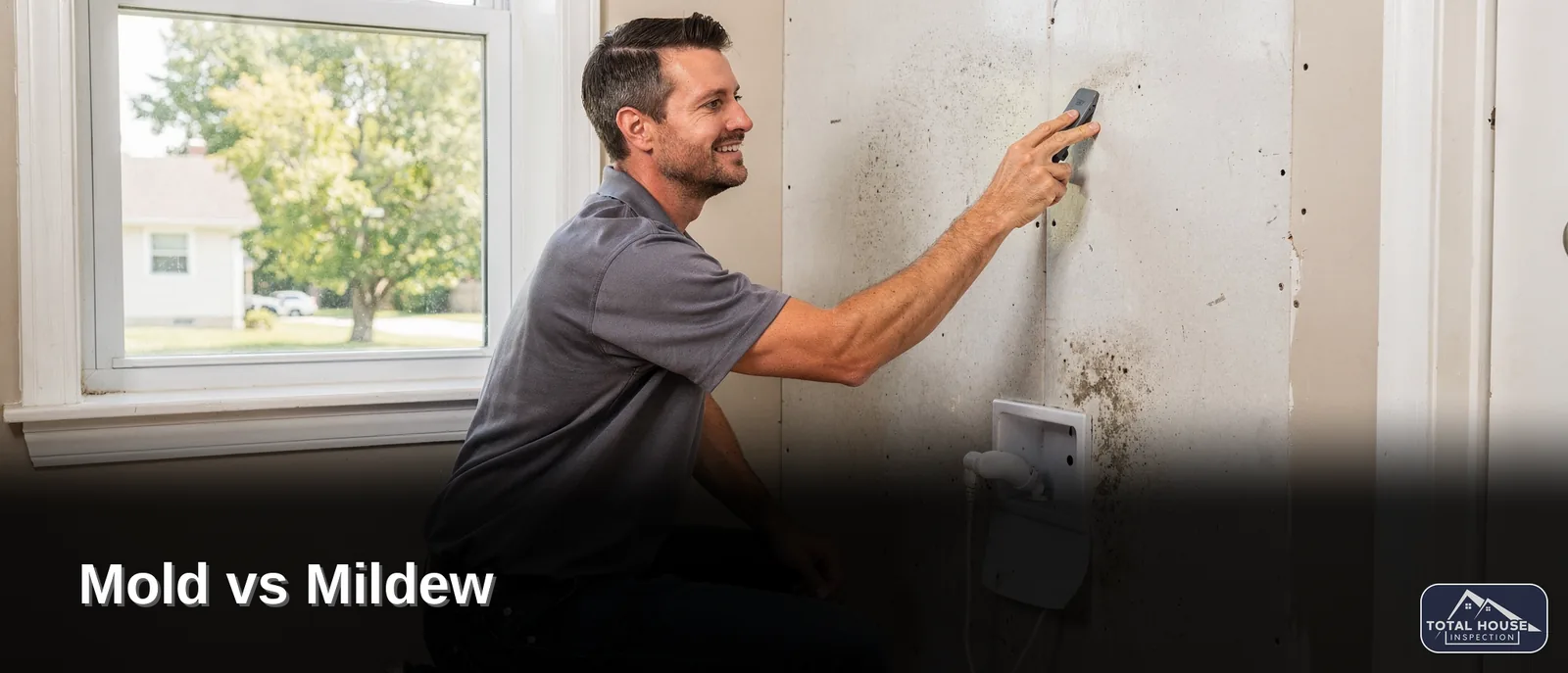
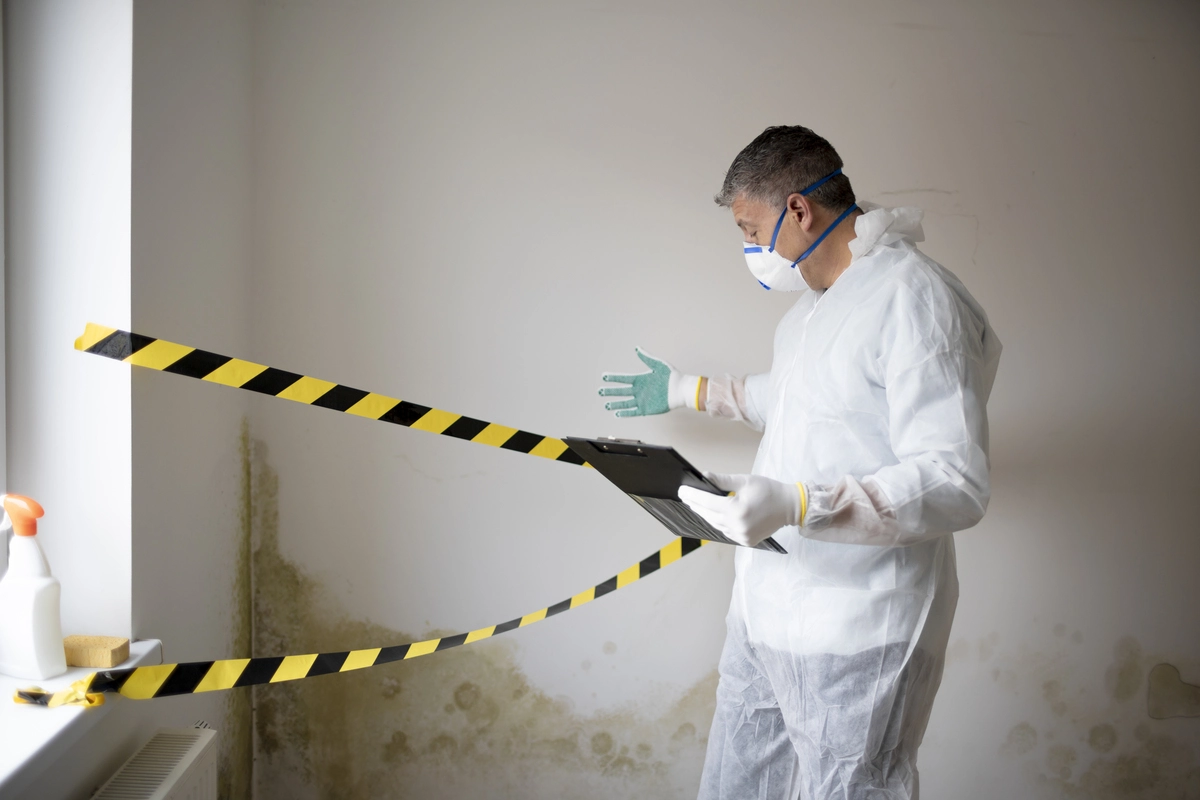
The first step in mold testing is a comprehensive visual assessment of the property. Inspectors look for signs of water intrusion, such as:
- Stained ceiling tiles
- Peeling paint or wall coverings
- Damp drywall or flooring
- Visible mold growth
- Condensation around HVAC systems
They may also evaluate building areas that commonly trap moisture, including mechanical rooms, basements, storage areas, and restrooms. Identifying the source of moisture is essential because mold cannot grow without it.
2. Moisture Detection
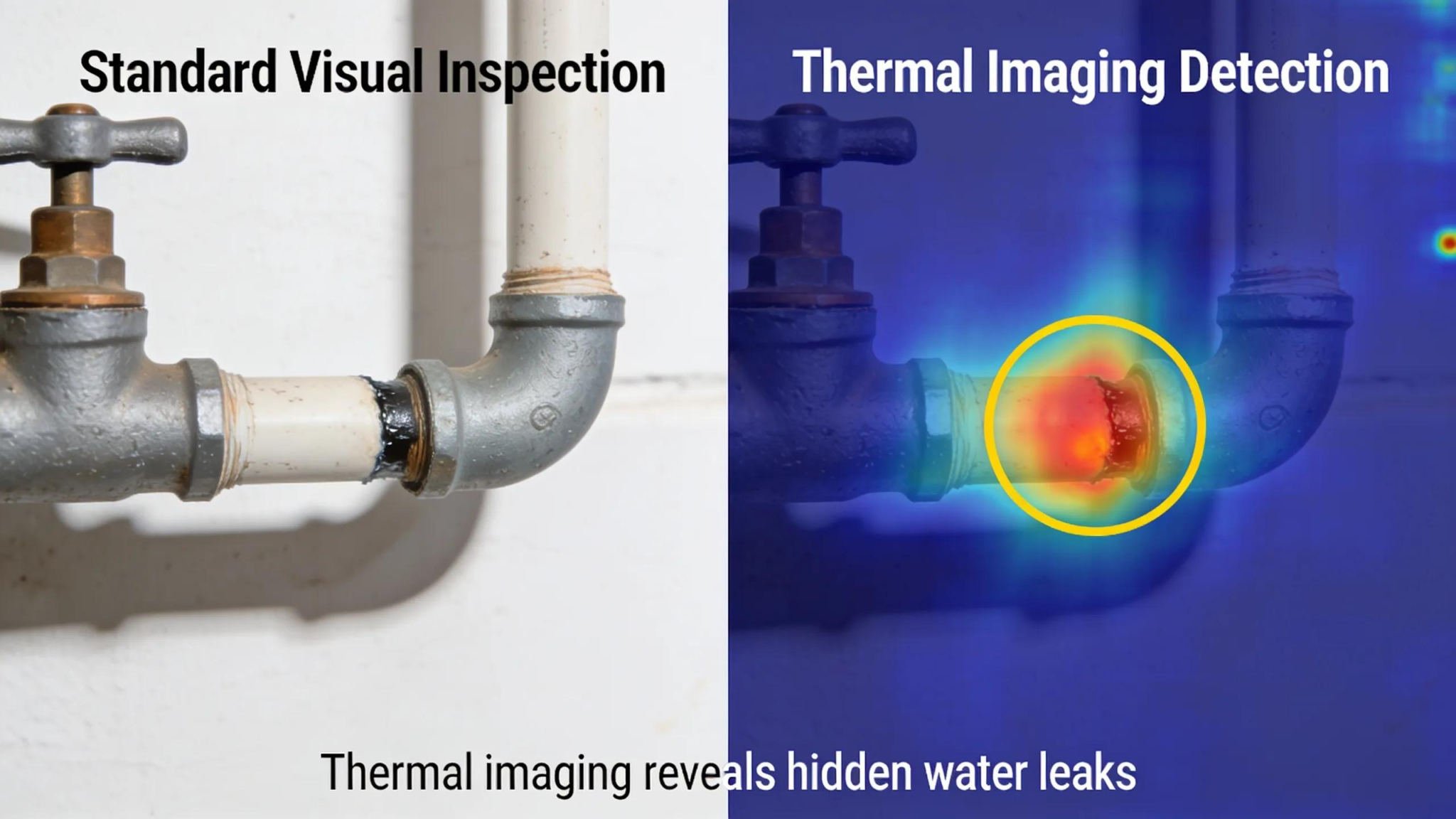
After the visual inspection, inspectors often use specialized equipment to detect hidden moisture. Tools may include:
- Moisture meters
- Infrared thermal cameras
- Hygrometers to measure humidity levels
These devices help locate damp areas inside walls, ceilings, or flooring where mold may develop out of sight. Addressing the moisture source is key to preventing future growth.
3. Air Sampling
In many commercial mold investigations, inspectors collect air samples to evaluate the presence of mold spores in indoor air. Air sampling devices capture airborne particles, which are then analyzed in a laboratory to identify the types and concentrations of mold spores present. These results are typically compared to outdoor samples to identify elevated indoor levels.
Air sampling can be particularly helpful when:
- Mold is suspected but not visible
- Occupants report indoor air quality concerns
- A building recently experienced water damage
4. Surface Sampling
In some cases, inspectors may also collect surface samples from areas of visible mold growth. Surface testing can involve:
- Swab samples
- Tape lifts
- Bulk material samples
These samples are analyzed by laboratories to identify the specific mold species present. While identifying the exact species isn’t always necessary for remediation, it can provide useful context about environmental conditions.
Standards and Guidelines for Mold Testing
Unlike some environmental hazards, there is no single federal standard that sets allowable mold levels for buildings. However, several organizations provide widely accepted guidance for evaluating mold conditions.
The U.S. Environmental Protection Agency (EPA) offers guidance on mold prevention, inspection, and cleanup practices. The EPA emphasizes that controlling moisture is the most important factor in preventing mold growth.
What Happens After Mold Testing?
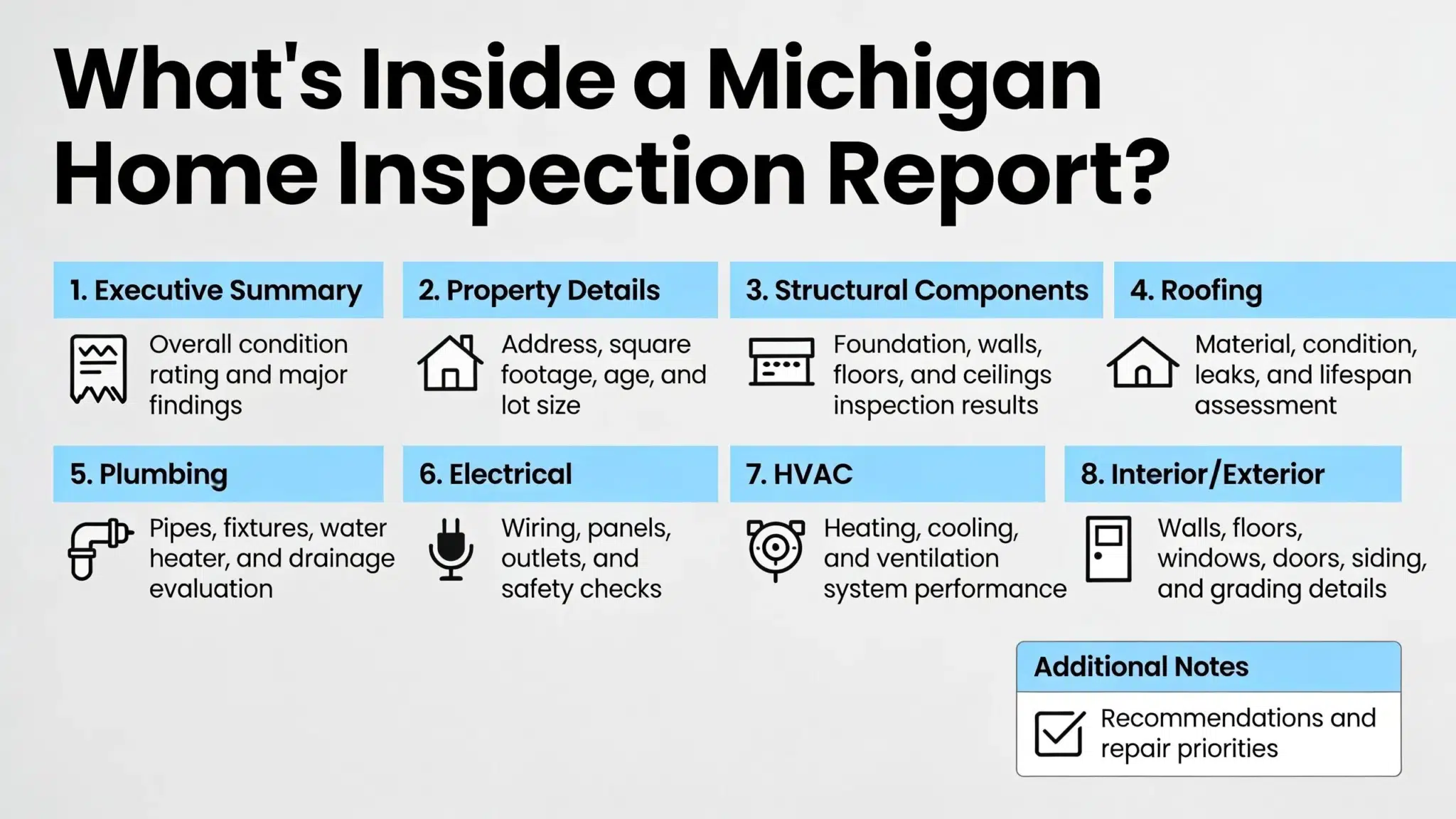
Once testing is done, inspectors provide a detailed report highlighting their findings. A typical mold inspection report includes:
- Details of areas inspected
- Moisture readings
- Air and surface sampling results
- Photographs of affected areas
- Laboratory analysis reports
- Recommendations for remediation (if needed)
The report helps building owners understand whether mold is present and what steps may be necessary to address the problem.
How to Prevent Mold in Commercial Buildings
Preventing mold growth is usually easier and less expensive than removing it. Property managers and building owners can reduce risk by focusing on moisture control and building maintenance. The following are a few practical prevention steps to prevent mold growth:
- Repairing roof and plumbing leaks quickly
- Maintaining proper HVAC drainage
- Monitoring indoor humidity levels
- Ensuring adequate ventilation
- Inspecting basements and crawl spaces regularly
Keep Your Commercial Property Safe and Compliant
Mold growth in commercial buildings is more than a maintenance issue. It can impact health, safety, and business operations.
Mold testing for commercial properties helps identify problems early, improve indoor air quality, and support a healthier environment for occupants.Schedule a professional mold test with Total House Inspection to assess your property and get clear, actionable insights. It’s a smart step toward maintaining a safer, healthier commercial space.