Plumbing and sewer drain issues surface through two distinct report sections: general inspection notes and dedicated sewer scope findings. We identify root intrusion, cracked pipes, and blockages using waterproof camera technology during sewer scope inspections. Standard reports flag slow leaks, drainage problems, and aging sewer line indicators requiring further evaluation by a licensed plumber.
Key Takeaways
Home inspectors identify slow leaks and drainage problems invisible during everyday use of the property.
Clogged drains represent a common inspection claim that inspectors detect by running water and observing drainage.
Aging sewer lines show visible signs during inspections that warrant immediate attention and professional evaluation.
Plumbing issues flagged in reports significantly impact home sales and buyer confidence in property condition.
What Will You Learn From a Plumbing Report?
A plumbing report tells buyers, sellers, and agents exactly where a home’s water and drainage systems stand, separating hidden defects from cosmetic wear. Homes often look flawless during a walkthrough, yet the inspection report can reveal a different story entirely. We built our process around this gap. A functioning faucet or clean-looking drain says little about what runs beneath the floors and yard.
Our written findings cover home inspection plumbing defects ranging from slow leaks. Worn fixtures to signs of aging pipe materials. We also flag drainage irregularities that would never surface during a five-minute walkthrough but matter greatly once someone moves in.
What does a sewer scope inspection actually check?
A sewer drain line inspection relies on a dedicated waterproof camera, not a general visual walkthrough. Our inspectors thread this camera from the home’s plumbing toward the public sewer connection, examining the line’s full path.
This method catches conditions invisible from above ground:
Root intrusion into pipe joints
Blockages restricting flow
Cracks or fractures along the pipe wall
Damaged or separated joints
Collapsed or partially collapsed sections
We document each sewer scope inspection with a written report, supporting photos, and full video footage, giving Southeast Michigan clients a complete visual record rather than a one-line summary.
How should I read the plumbing section of my report?
Interpreting inspection report plumbing findings starts with separating observed defects from recommendations for further evaluation. Look first at severity language, then at whether the inspector recommends a licensed plumber for follow-up. Photos and video, where included, offer direct evidence rather than a verbal description alone. Our reports pair each finding with supporting documentation so buyers and sellers can make decisions grounded in what the camera and inspector actually observed, not guesswork.
How Do You Identify Plumbing Defects in Reports?
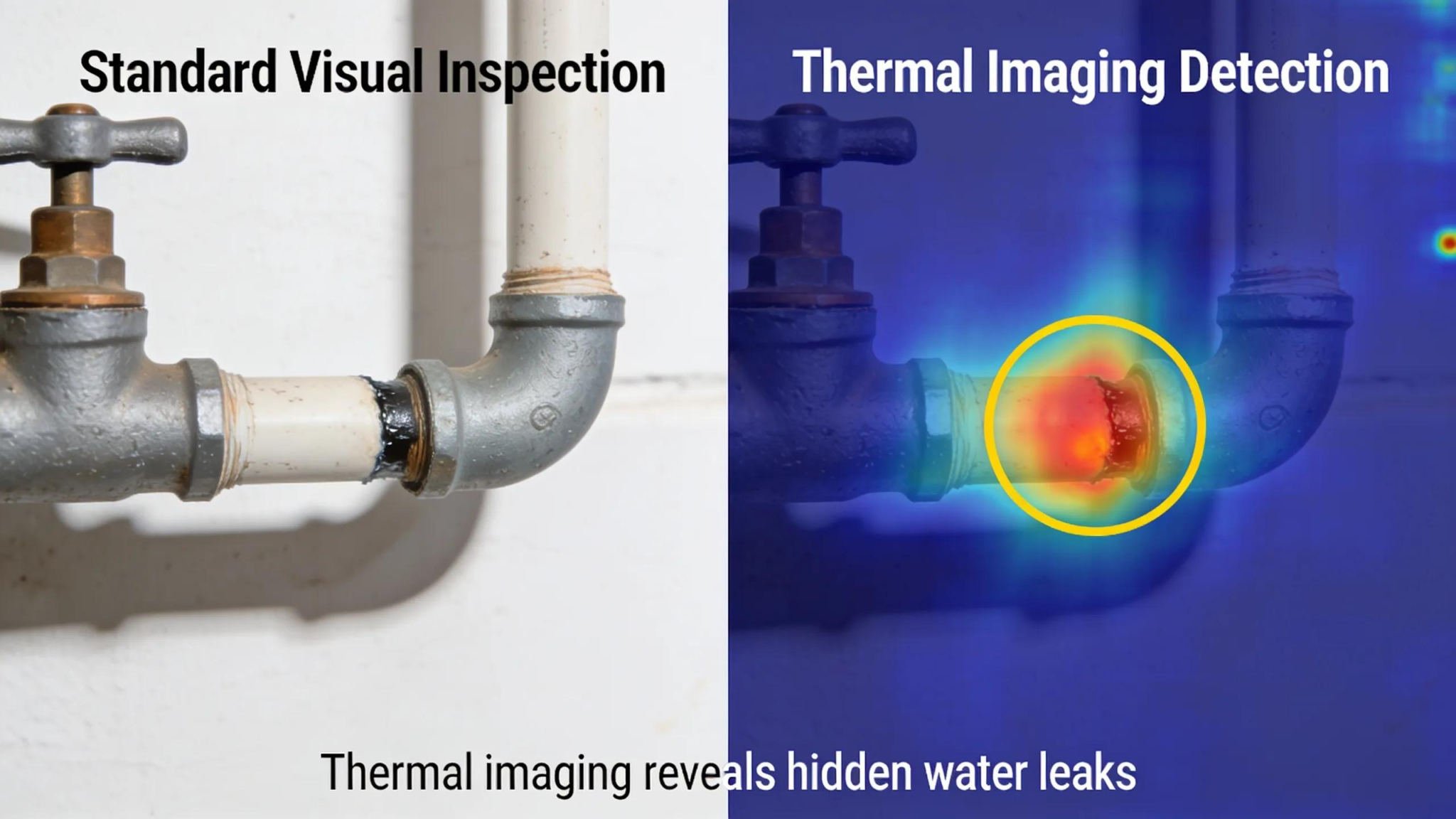
Trained inspectors identify home inspection plumbing defects through a combination of visual assessment, functional testing, and thermal imaging technology. Findings on a report span a wide range, from a slow leak under a sink to signs of an aging sewer line requiring closer evaluation. We build our process around layered detection methods, since no single tool catches every hidden problem.
Our approach follows a consistent sequence during every inspection:
We visually assess exposed plumbing components, including fixtures, supply lines, and visible drain piping.
We test water flow and drainage at every fixture to check for slow drains or backups.
We scan walls, ceilings, and floors near plumbing runs with a thermal camera to detect temperature differences that suggest hidden moisture.
We document any anomalies found through thermal imaging alongside standard visual findings in the report.
Thermal imaging plays a specific role in this sequence. The camera detects water leaks that never surface during a standard visual review, along with electrical issues and insulation gaps in the same scan. During this process, our inspector examines plumbing among the various components covered by the thermal scan, giving buyers and sellers a fuller picture of what lies behind walls and beneath floors.
Can thermal imaging replace a full plumbing inspection?
No. Thermal imaging adds valuable detection capability, but it cannot substitute for a complete hands-on plumbing inspection. The technology works best as a supplement that flags areas warranting closer physical examination, not as a standalone diagnostic tool.
What types of plumbing defects appear most often?
Reports commonly flag issues ranging from minor slow leaks to significant concerns like deteriorating sewer lines. Each defect carries its own urgency, and recognizing the difference matters when deciding what to address before closing.
Interpreting inspection report plumbing findings requires understanding this layered evidence. A thermal anomaly paired with a visible leak signals a defect worth immediate attention. An isolated reading may simply warrant monitoring.

How Do You Read Sewer Drain Line Findings?
Reading a sewer drain line inspection report starts with the camera footage itself, not just the summary page. The recorded video reveals root intrusion, blockages, cracks, damaged joints, and collapsed sections that no standard walkthrough can detect. We walk buyers and sellers through each defect on screen, because a still photo rarely tells the full story.
Left unaddressed, a clogged main sewer line does more than inconvenience a household. Ignored blockages lead to costly repairs down the road. They can expose a family to contaminated water backing up into the home. Catching these warning signs early, and scheduling an inspection before closing, limits how far that damage spreads.
Interpreting inspection report plumbing findings for a sewer line follows a consistent sequence:
Watch the full video segment for each flagged defect before reading the written notes.
Match every defect type—root intrusion, crack, joint separation, or collapse—to its location along the pipe.
Check whether the issue sits near the home’s foundation or closer to the municipal connection.
Weigh severity: hairline cracks differ significantly from a collapsed section blocking flow entirely.
Discuss next steps with a licensed plumber for any defect rated moderate or severe.
Why did the drains work fine during the walkthrough but not after move-in?
A brief water test may miss problems that develop over time, underscoring the need for thorough inspections. Standard inspections train inspectors to run water and watch for backup. A damaged line may drain slowly at first and still pass a short test, underscoring why sewer scope video review remains essential. That gap is exactly why a dedicated video scan matters for home inspection plumbing defects hiding below the surface.
What counts as an urgent sewer line finding?
Collapsed sections and significant blockages demand immediate attention before closing. Root intrusion and minor cracks warrant monitoring and, often, a repair timeline rather than a deal-breaker. We flag severity clearly in every report so buyers and sellers can prioritize what truly needs action first.
How Do You Interpret the Report's Next Steps?
Interpreting inspection report plumbing findings starts with separating cosmetic notes from structural concerns. Buyers often struggle with this step, unsure which flagged items are serious enough to affect a home sale or simply warrant future maintenance. We built our reporting process to remove that guesswork.
Every finding in our reports gets a clear designation. Home inspection plumbing defects fall into categories that tell buyers and sellers exactly how urgent a repair is:
Safety hazards — issues requiring immediate attention before closing.
Functional defects — problems affecting performance but not immediate safety.
Maintenance items — conditions worth monitoring over time.
This structure helps real estate professionals guide clients through negotiations with confidence instead of panic.
What Does a Sewer Scope Finding Mean for My Report?
A sewer drain line inspection adds a layer of evidence that a standard walkthrough cannot provide. We pair our written report with sewer scope photos. Video, giving buyers and sellers visual proof of the line’s condition rather than a vague description. Root intrusion, cracked joints, or blockages become documented facts, not speculation.
Should I Call a Plumber Before or After Closing?
Timing depends on how the report categorizes the defect. Safety hazards and major sewer line damage typically warrant a plumber’s evaluation before closing negotiations conclude. Maintenance items can usually wait, though we recommend documenting them for future budgeting.
Because we operate out of Troy, Michigan, our inspectors understand the plumbing and sewer systems common throughout Southeast Michigan’s housing stock. That local knowledge shapes how we explain findings, helping clients act on facts rather than assumptions.
What Mistakes Should You Avoid Reviewing Findings?
Skipping the sewer line section of a report ranks among the costliest errors we see. We treat home inspection plumbing defects noted near the sewer connection as a signal, not a footnote. Standard visual inspections cannot see underground. A sewer drain line inspection using video technology can reveal root intrusion, blockages, cracks, damaged joints, and collapsed sections that never surface during a walkthrough. Ignoring that recommendation means buying blind on a system that is expensive to excavate and repair.
Delay compounds the risk. Clogs left unaddressed in a main sewer line do not stay contained. They worsen and eventually expose a household to contaminated water alongside a growing repair bill. We advise clients to schedule follow-up scoping promptly rather than wait for a second opinion.
Another common error involves interpreting inspection report plumbing notes based only on a quick water test. Running water for several minutes and seeing no backup feels reassuring. Experienced inspectors know that some drain problems only appear after a family has settled in and daily use resumes.
Is a clean water test proof the drains are fine?
No. A short test can miss slow-developing blockages that only surface under normal household use.
Avoid these missteps:
Do not dismiss sewer findings as minor without a scope inspection.
Do not delay repairs once warning signs appear in the report.
Do not rely solely on a brief water-flow test as final proof.
FAQ
What sections of a home inspection report reveal plumbing issues?
Plumbing and sewer drain issues surface through general inspection notes and dedicated sewer scope findings. Standard reports flag slow leaks, drainage problems, and aging sewer line indicators requiring further evaluation by a licensed plumber.
What technology detects hidden sewer line problems?
Total House Inspection Inc. uses waterproof camera technology threaded from the home’s plumbing toward the public sewer connection. This method catches root intrusion, blockages, cracks, damaged joints, and collapsed sections invisible from above ground.
What documentation comes with a sewer scope inspection?
Total House Inspection Inc. documents each sewer scope inspection with a written report, supporting photos, and full video footage. This gives Southeast Michigan clients a complete visual record rather than a one-line summary.
Conclusion
In closing, identifying plumbing and sewer drain issues during a home inspection requires systematic evaluation of visible components, water pressure assessment, and drainage performance verification. Understanding these indicators empowers homebuyers and property owners to make informed decisions regarding repairs and maintenance priorities. A thorough inspection report documents these findings with precision, providing the clarity necessary to negotiate confidently and protect your investment in the property.