By Dan Joandrea, Total House Inspection Inc.
Who is Dan Joandrea and What are His Credentials?
Dan Joandrea is an InterNACHI Certified Master Inspector (CMI) with over 20 years of specialized experience evaluating residential properties in Southeast Michigan. His expertise spans a broad spectrum of home inspection disciplines, with an established reputation for thoroughness and technical precision. Dan actively contributes to education initiatives for building safety standards and regulation compliance throughout Michigan, ensuring that his inspections align with the latest best practices and safety codes.
What Are the Key Qualifications for a Michigan Home Inspector?
Choosing a reliable home inspection is essential. A competent inspector finds hidden issues, clarifies risks, and gives the information you need to move forward. This guide lists the qualifications to verify, how to evaluate reviews and sample reports, typical inspection methods and pricing, and practical booking tips for your area.
What Is the Regulatory & Licensing Landscape for Home Inspectors in Michigan?
Michigan currently does not require a statewide, government-mandated license for home inspectors. This regulatory gap means that home buyers must emphasize voluntary national accreditations and insurance coverage to ensure professionalism and reliability. Trusted credentials include certifications from well-recognized organizations such as InterNACHI (International Association of Certified Home Inspectors) and ASHI (American Society of Home Inspectors). Additionally, verifying the inspector’s Errors & Omissions (E&O) and General Liability insurance coverage is vital to mitigate potential liabilities during the inspection process.
Key Takeaways
Confirm an inspector’s credentials, emphasizing national certifications and insurance coverage, as Michigan lacks state licensing requirements.
Client reviews indicate thoroughness, professionalism, and reliability.
Understand the inspector’s methodology to know the inspection’s scope and tools used.
Sample reports show how findings are documented and prioritized.
Compare multiple quotes to evaluate cost, scope, and included services.
Use specialists for concerns like mold, radon, or historic homes.
References from past clients provide direct insight into reliability and conduct.
Know the booking process and availability to avoid delays.
Carefully review the final report to prioritize repairs.
What Is a Comprehensive 7-Point Michigan Home Inspector Vetting Checklist?
InterNACHI CPI or ASHI Certified Inspector Credential: Ensure the inspector holds a recognized national certification demonstrating their technical competence.
Minimum $1 Million E&O and General Liability Insurance: Confirm robust insurance coverage to protect you and the inspector in the event of errors or damages.
In-House Diagnostic Tool Inclusions: The inspection should include advanced tools like FLIR thermal imaging, digital combustible gas detectors, and moisture meters at no additional cost.
Sample Report Review: Demand digital, HTML-interactive reports delivered within 24 hours that feature high-resolution photos and HD video clips rather than static check-box PDF forms.
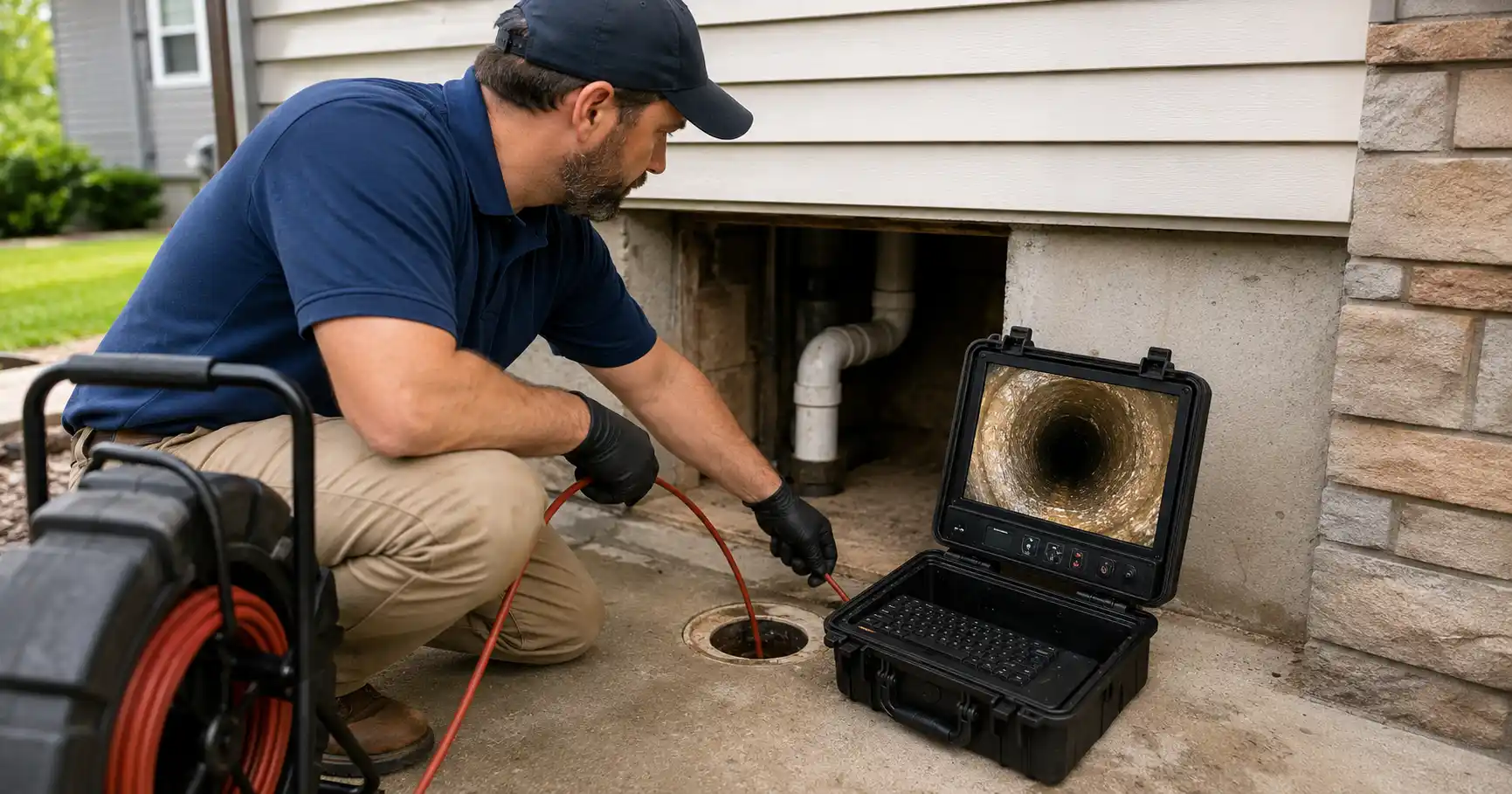
Ancillary Certification Breadth: Check if the inspector personally conducts or oversees specialized services such as certified radon measurement, mold assessments, and sewer lateral video inspections.
Active Crawlspace and Roof Traversal Policies: Verify that the inspector climbs walkable roofs and inspects crawlspaces directly instead of relying solely on drone or remote inspections.
Post-Inspection Consultation Support: Confirm availability for follow-up discussions to assist with repair negotiations and clarify findings.
How Can You Check Qualifications Effectively?
Verifying qualifications is a first-line check. Confirm required licenses and certifications for your area and look for inspectors who maintain continuing education so their skills and code knowledge stay current.
Verify Certifications: Look for credentials from recognized organizations that demonstrate competency.
Check for Industry Standards: Confirm the inspector follows local regulations and accepted practices.
Review Ongoing Education: Inspectors who pursue continuing education stay current with codes, materials, and techniques.
For research-based guidance on qualifications, energy ratings, and mold checks, consult established academic publications for background information.
Selecting a Home Inspector and Understanding Energy Ratings
FCS-3279 is a three-page fact sheet by Kathleen C. Ruppert, Anna Cam Fentriss, and Hyun-Jeong Lee. It answers common questions from prospective buyers about choosing a home inspector, interpreting Home Energy Ratings, and understanding mold and fungal inspections. The fact sheet appears in the University of Florida’s “Energy Efficient Homes” series and was published in June 2008 by the Department of Family, Youth and Community Sciences.Energy Efficient Homes: Home Inspections: FCS3279/FY1048, 6/2008, 2008
How Do Reviews Affect Your Choice?
Reviews and testimonials help assess reputation. Look for patterns that indicate thoroughness, punctuality, and clear communication.
Read Client Testimonials: Favor reviews describing specific experiences and outcomes rather than brief ratings.
Assess Thoroughness and Professionalism: Note mentions of clear explanations, photos, and actionable recommendations.
Look for Patterns: Repeated praise or recurring complaints both matter.
How Should You Inquire About the Inspection Methodology?

Ask inspectors to describe their process so you know what systems are included and how deeply they will be examined.
Request Details of the Inspection Process: Confirm which systems and areas are inspected and the inspection depth.
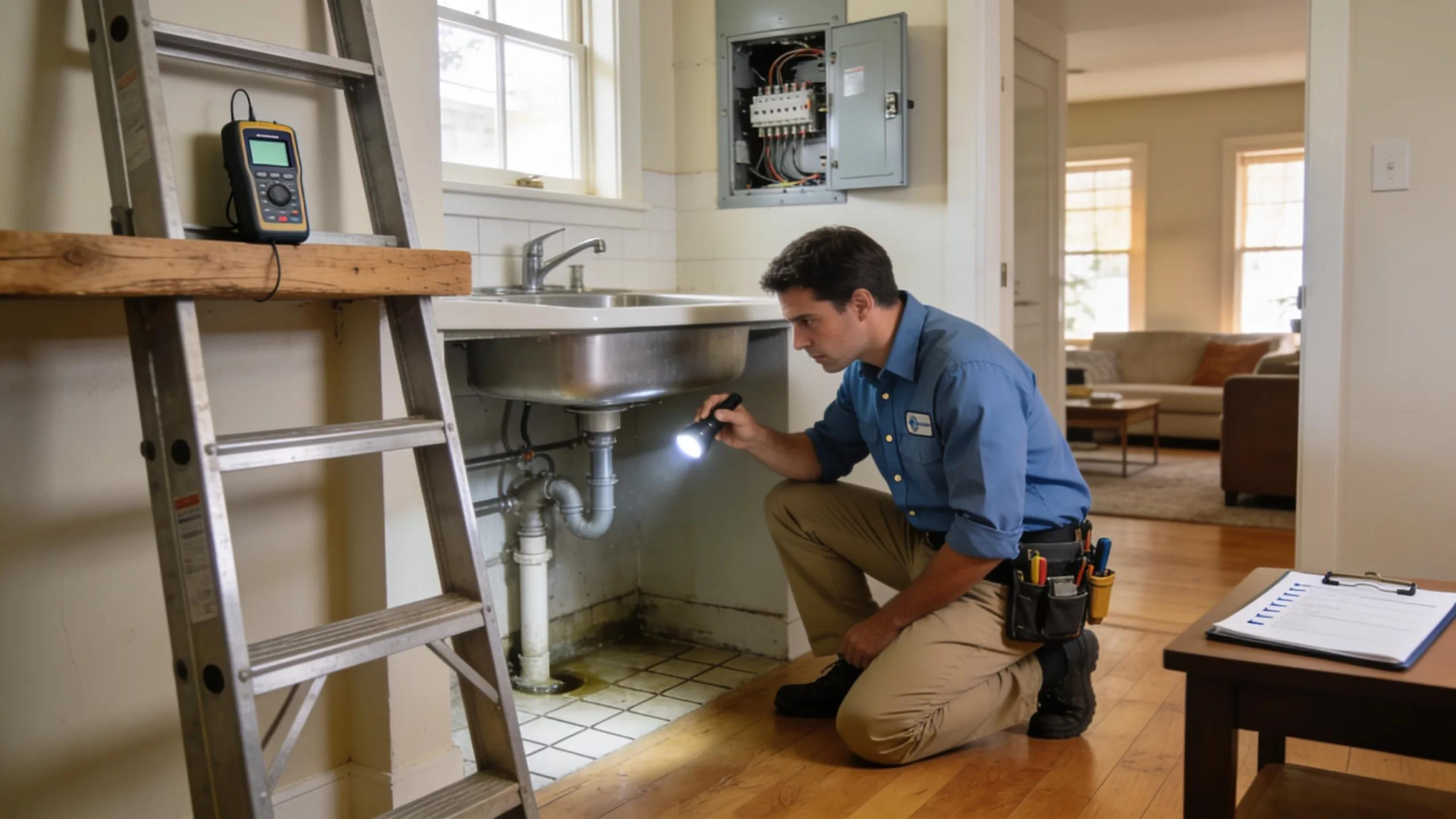
Understand the Tools and Methods: Ask whether they use moisture meters, thermal imaging, or similar diagnostics that add value.
What Should You Look for in Sample Reports?
Review sample reports to evaluate documentation, photos, and how repairs are prioritized.
Examine Thoroughness: Good reports cover major systems and include clear evidence and photos.
Check Clarity and Structure: Look for organized sections, severity categories, and straightforward recommendations.
Why Get Multiple Quotes?
Obtain several quotes to compare price, scope, and optional services so you know what’s included and where differences lie.
Compare Costs and Services: Note differences in inspection depth, add-ons, and ancillary services.
Evaluate Inclusions: Check for follow-up consultations, sample reports, and re-inspection policies.
When Should You Consider Specialized Inspections?
Specialists are helpful for properties with particular concerns. For mold, radon, or historic structures, choose inspectors with focused experience and appropriate testing protocols.
Inspectors Focused on Specific Issues: Specialists often use targeted tests and protocols.
Match Specialization to Risk: Choose experience that aligns with the property’s likely issues.
How Important Are References?
References give direct feedback from past clients and can confirm reliability and conduct.
Contact Previous Clients: A brief conversation can reveal how the inspector communicates and follows up.
Assess Quality: Use references to verify thoroughness, timeliness, and professionalism.
What Should You Know About Availability and the Booking Process?
Knowing availability and booking steps helps you schedule the inspection without surprises. Be ready with property details when you book.
Understand Scheduling: Ask how far in advance they book and typical days/times.
Provide Key Information: Have the property address, approximate square footage, and any known concerns ready.
If you’d like to book an inspection, contacting Total House Inspection can simplify the process. Reach them by phone at 248-550-9492 or by email at [email protected].
How Should You Review the Inspection Report?
Read the report carefully to understand priorities, evidence, and recommended next steps for repairs or negotiations.
Look for Detailed Findings: The report should describe problems and include supporting photos and evidence.
Analyze Severity Categories: Note which items are urgent, recommended repairs, or routine maintenance.
Take a look at a real sample report before you book — clear, photo-backed, and easy to read.
Frequently Asked Questions
1. What qualifications should a home inspector have in Michigan?
Because Michigan does not require a state license, you should choose inspectors with national certifications such as InterNACHI Certified Professional Inspector (CPI) or ASHI credentials; they should also maintain continuing education and have extensive knowledge of local codes and best practices.
2. How long does a typical home inspection take?
Most inspections take about two to four hours, depending on size and complexity; larger homes or properties with many systems may require more time.
3. Are there any follow-up services offered by home inspectors?
Many offer re-inspections after repairs, phone consultations, or maintenance advice. Ask about available follow-up options when booking.
4. What should I do if the inspection report reveals major issues?
Assess severity, obtain contractor estimates, and negotiate repairs or credits with the seller as appropriate. Gather expert opinions before final decisions.
5. How can I prepare for a home inspection?
Ensure access to attics, basements, crawl spaces, and mechanical systems, and gather records of past repairs to help the inspector work efficiently.
6. Can I attend the home inspection, and why should I?
Yes. Attending allows you to see issues firsthand, ask questions, and better understand the inspector’s findings and maintenance priorities.
7. What types of properties benefit most from a home inspection?
All properties benefit, but older homes, properties with extensive histories, homes in risk-prone areas, and new construction (for workmanship checks) especially do. Use specialty inspections when specific risks exist.
Conclusion
Choosing the right home inspector protects your investment and clarifies your purchase. In Michigan’s regulatory context, where state licensing is absent, it is critical to verify strong professional credentials such as InterNACHI or ASHI certification and confirm comprehensive insurance coverage. Review methodologies and sample interactive reports, compare multiple detailed quotes, and request references to find an inspector who meets all your needs. With the right professional, you will make more informed decisions about your new home.