By Dan Joandrea, Total House Inspection Inc.
What does a home inspector check? A standard home inspection covers more than 1,700 individual items across every major system in the home. Most buyers picture an inspector walking through rooms with a clipboard, jotting down notes. In reality, it’s a structured, system-by-system evaluation that takes two to four hours and produces a detailed written report with annotated photos, severity ratings, and specific recommendations.
Companies like Total House Inspection, an InterNACHI-certified firm serving southeast Michigan, evaluate all of those systems and go further using tools like thermal imaging cameras to catch what the naked eye misses. This article breaks down exactly what home inspectors check, organized by system, so you know what to expect before inspection day arrives and how to use the report once it lands in your inbox.
The scope of a standard home inspection: what 1,700 items actually means
The “1,700 items” figure doesn’t mean 1,700 separate trips around the house. It means inspectors follow a defined standard of practice, like InterNACHI’s Standards of Practice, that organizes all observable components into 10 major system categories: roof, exterior, basement/foundation/crawlspace/structure, heating, cooling, plumbing, electrical, fireplace, attic/insulation/ventilation, and doors/windows/interior. Each category contains dozens of individual components evaluated during a single walkthrough. The result is a comprehensive assessment delivered in one visit.
One important framing point: a standard home inspection is a visual, non-invasive assessment. Inspectors evaluate what is readily accessible and observable. They don’t open walls, dig up yards, or run laboratory tests. That boundary is intentional, not arbitrary, and knowing where it sits helps you understand when specialty add-ons become necessary.
How inspectors organize their walkthrough
Most inspectors move methodically from exterior to interior, working top to bottom: roof and attic first, then main living areas, then basement and crawlspace. This sequence ensures nothing gets skipped and allows the inspector to trace problems from their source, a roof penetration, for example, down through the home to where the damage shows up, such as a stained ceiling below. The whole process follows a defined sequence, not a casual stroll through rooms.
What the final inspection report covers
A standard report starts with a cover page listing the property address, inspection date, weather conditions, and inspector credentials. It then moves into an executive summary of priority findings, followed by system-by-system sections with observations, annotated photos, and condition ratings. Those ratings typically fall into four categories: safety hazard, major defect, maintenance item, and satisfactory. The summary flags the most significant issues clearly; the body of the report captures everything else the inspector observed, giving you a complete record of the home’s condition on that date.
What does a home inspector check on the roof, exterior, and structural systems?
The roof is consistently one of the most common sources of defects found during inspections. According to InterNACHI inspection data, worn or missing shingles and flashing damage show up in roughly one in three inspections. Exterior and structural components carry equal weight because moisture intrusion and foundation movement, left undetected, produce some of the most expensive repairs a homeowner will ever face.
Roof components: what inspectors evaluate
Inspectors evaluate roof-covering materials (shingles, tiles, metal panels), gutters and downspouts, flashing around chimneys and penetrations, skylights, soffit and fascia, and visible structural elements like ridge lines and decking condition. Minor shingle wear is a maintenance item. Active leaks, widespread deterioration, or a sagging roofline are high-severity findings that can affect structural integrity and create conditions for mold growth inside the attic.
Foundation, grading, drainage, and exterior shell
Inspectors look at foundation walls for cracks, settlement, and water staining, along with exterior wall coverings, windows, exterior doors, walkways, driveways, steps, decks, railings, and the grading around the home’s perimeter. Poor grading, where the ground slopes toward the foundation instead of away from it, is a leading cause of basement moisture problems and appears regularly in residential inspections nationwide. Stair-step cracks in brick or block and wide horizontal cracks in foundation walls are high-severity findings that typically warrant a structural engineer evaluation before closing.
Take a look at a real sample report before you book — clear, photo-backed, and easy to read.
Electrical, plumbing, and HVAC: the systems buyers worry about most
These three systems represent the largest repair and replacement costs in a home. Electrical and plumbing defects are among the most frequently reported findings nationwide, and HVAC findings range from minor maintenance items to safety-critical failures. Each one gets a dedicated section in the inspection report, and each is a core part of what a home inspector checks on every visit.
Electrical panel, wiring, and safety devices
Inspectors evaluate the service entrance conductors, meter base, main and sub-panels (checking for proper breaker sizing, double-tapping, corrosion, and unsafe wiring connections), visible branch wiring, and GFCI/AFCI protection in required locations. Missing GFCI outlets and double-tapped or aging panels are among the most common electrical findings reported by InterNACHI-certified inspectors. Outdated wiring types like knob-and-tube or aluminum branch circuits in older homes are high-severity findings because they carry real fire and shock risk. Inspectors also test a representative sample of outlets, switches, and fixtures to confirm they’re functional.
Plumbing fixtures, supply pipes, and water heating
Inspectors check visible supply and drain/waste/vent piping, water pressure at fixtures, water heater age and condition (including the TPR valve, proper venting, and signs of corrosion), fixture operation, and drain flow. Active plumbing leaks and water heaters over 10 years old or missing an expansion tank are among the most commonly flagged plumbing findings in residential inspections. Problematic pipe materials like polybutylene are noted as medium-to-high severity due to known failure risk, even when no active leak is present.
Heating and cooling system evaluation
For HVAC, inspectors evaluate the installed heating equipment (furnace, boiler, or heat pump), cooling equipment (central AC or mini-splits), visible duct distribution, filter condition, thermostat operation, and accessible combustion components. They look for proper venting, adequate clearances, and whether the system responds when called. A cracked heat exchanger is one of the most serious findings an inspector can make because it can allow combustion gases, including carbon monoxide, to circulate through the living space.
Interior rooms, attic, insulation, and fireplace
Once the major mechanical systems are covered, inspectors move through the living spaces, attic, and fireplace. These areas are where deferred maintenance and hidden moisture damage often show up visually first, and interior findings frequently point back to root causes in the roof or HVAC systems.
Windows, doors, floors, walls, and ceilings
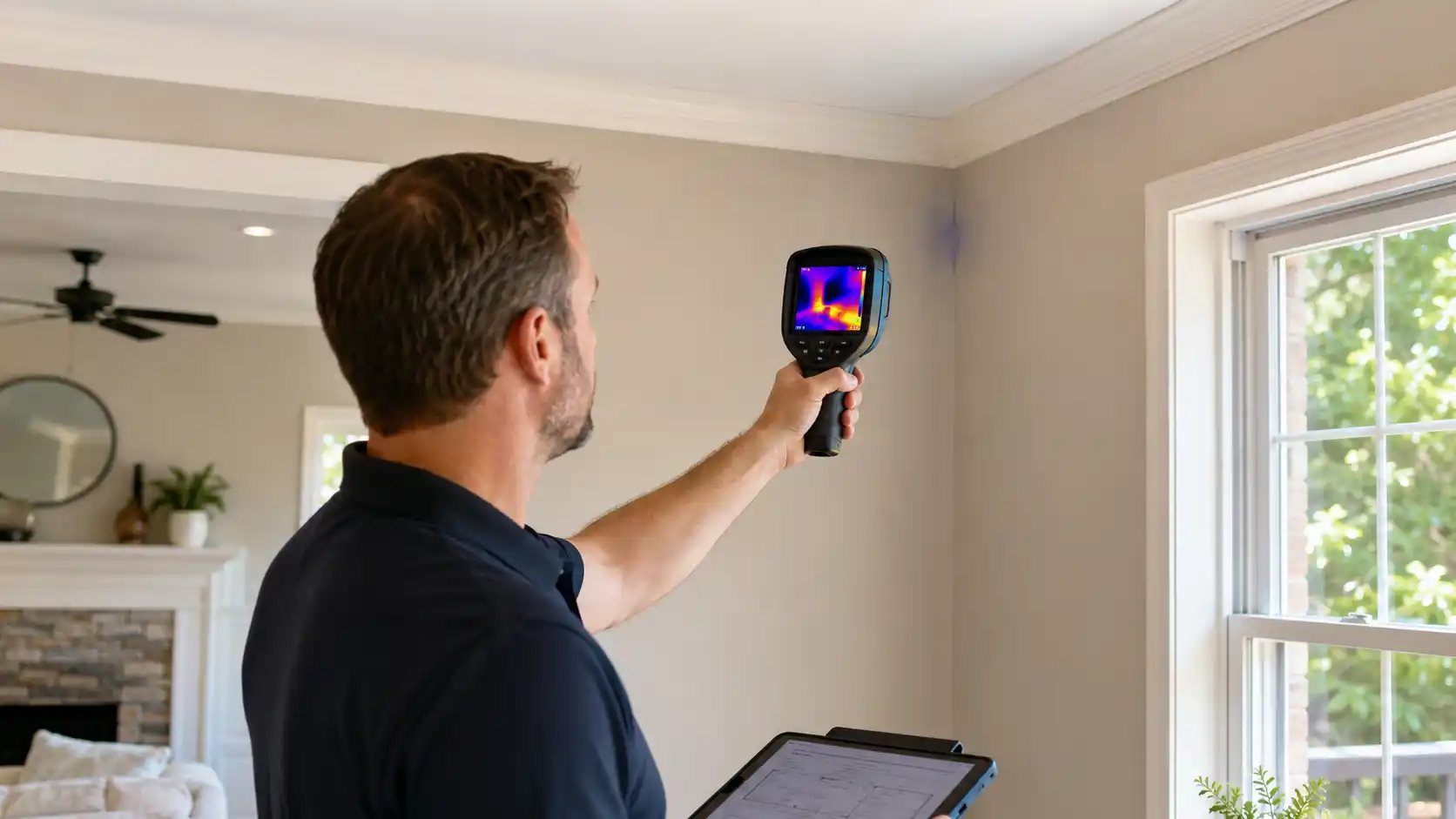
Inspectors evaluate a representative sample of windows and doors for operation, seal integrity, and visible damage. Floor surfaces get checked for soft spots or uneven areas that may suggest structural or moisture issues. Wall and ceiling surfaces are examined for staining, cracks, and settlement patterns. When an inspector finds water staining but can’t identify the source visually, that’s exactly where thermal imaging adds value: infrared cameras can reveal moisture behind walls that hasn’t yet caused visible surface damage.
Attic, insulation, ventilation, and fireplace
In the attic, inspectors check visible roof decking condition, insulation type and coverage, and ventilation through soffit and ridge venting or power vents. They also verify that bathroom, kitchen, and laundry exhausts vent to the exterior, not into the attic cavity. Improper exhaust venting into an attic is a common finding that causes moisture accumulation and mold risk over time. For the fireplace, inspectors evaluate the visible firebox, lintel, damper operation, cleanout door, and chimney condition from the interior.

Where a standard inspection stops and how to fill the gaps
By design, a standard home inspection excludes items that require specialized equipment, lab analysis, invasive investigation, or separate licensing. These exclusions aren’t oversights, they reflect the defined scope of a general visual assessment. Knowing what falls outside that scope before inspection day helps buyers decide which add-on services to schedule.
What a standard inspection doesn’t cover and why
The most common exclusions include:
- Mold sampling and indoor air quality testing: requires lab analysis and separate licensing beyond standard inspection credentials
- Pest and termite inspections: pest-control specialist territory, not a general inspector’s scope
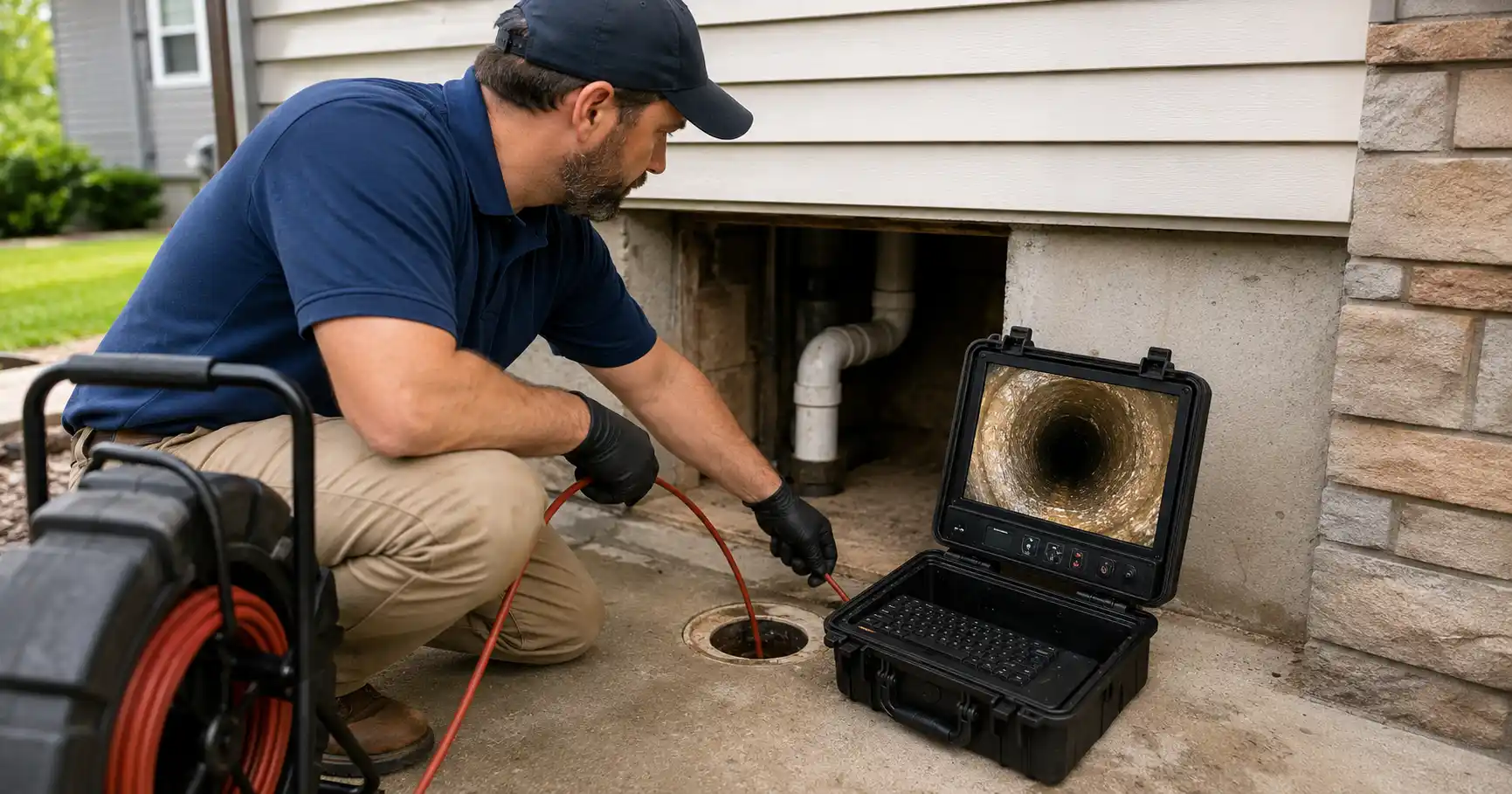
- Sewer line and septic scoping: needs camera equipment, underground access, and different protocols
- Radon testing: requires specialized testing devices run over a defined time period
- Asbestos, lead, and other environmental hazards: require environmental lab work and certified sampling
- Code compliance verification: inspectors identify safety concerns; they are not code-enforcement officials
Pre-inspection checklist: a home inspection checklist for buyers and sellers
Using a pre-inspection checklist ensures nothing critical gets missed before or during the visit. Buyers should review what home inspectors look for in each system so they can ask informed questions on the day. Sellers benefit from a house inspection checklist they can work through in advance to reduce the number of deferred-maintenance items that show up in the report.
For sellers, before the inspector arrives:
- Unlock all access points: attic hatch, crawl space entry, gate, outbuildings, and electrical panel
- Leave all utilities on: gas, electric, water, and HVAC operational with pilot lights lit
- Clear the areas around the water heater, electrical panel, HVAC equipment, and plumbing cleanout
- Have repair receipts, permits, HVAC service records, and appliance manuals available
- Remove pets and plan to be out of the home for three to four hours
For buyers, on inspection day:
- Attend the inspection if at all possible
- Bring a list of questions prepared in advance
- Follow the inspector’s cues rather than interrupting the work in progress
Reading the report and deciding what to negotiate
The executive summary identifies safety hazards and major defects that require immediate action or negotiation. Maintenance items are generally the buyer’s responsibility after closing. Any findings flagged for specialist review, such as a structural engineer evaluation for foundation cracks or a licensed electrician assessment for panel issues, should be scheduled before the inspection contingency deadline expires. Focus your negotiation on high-severity findings, not every item in the report. Knowing the difference between a $200 caulking repair and a $15,000 roof replacement is exactly what the inspection report, read carefully, tells you.
How Total House Inspection goes beyond the visual walkthrough
Total House Inspection closes those gaps without sending you to five different vendors. Their thermal imaging inspections use infrared cameras to detect hidden moisture behind walls, heat loss through poorly insulated areas, and electrical hot spots that wouldn’t appear during a standard visual walkthrough. They also offer radon testing, mold testing, and sewer video inspections as add-ons to a standard inspection, so everything comes back in a single coordinated report.
That consolidated model matters when you’re working against an inspection contingency deadline. Scheduling a standard inspector, a sewer camera company, and a radon tester separately across a five-day window is a logistics problem. Having it all handled by one team, backed by an 18-month warranty, simplifies the process and reduces the chance anything falls through the cracks.
What home inspectors actually cover: a system-by-system summary
So what does a home inspector check? In short, it’s a methodical, system-by-system evaluation of every observable component in the home, from the ridge of the roof to the bottom of the crawlspace. Understanding that scope, knowing which defects are most common by system, and filling the gaps with specialty add-ons like thermal imaging and radon testing gives buyers and sellers the clearest possible picture of a property’s true condition.
If you’re preparing for an inspection in southeast Michigan, Total House Inspection covers the full scope and then some. With InterNACHI-certified inspectors, advanced diagnostic tools, weekend availability, and a model that rolls standard and specialty inspections into a single coordinated report, they’re built for buyers who want thorough coverage without the scheduling complexity. Book online 24/7 or call to discuss which services make sense for your specific property.
Frequently Asked Questions About What Home Inspectors Check
A home inspector evaluates the home's visible and readily accessible systems and components, including the roof, exterior, foundation and structure, electrical system, plumbing, heating and cooling equipment, attic, insulation, ventilation, windows, doors, interior surfaces, and accessible fireplace components. A standard inspection is visual and non-invasive.
A comprehensive home inspection can involve more than 1,700 individual items and components across the home's major systems. Inspectors organize these items into system categories rather than treating them as 1,700 separate inspections.
A typical home inspection takes approximately two to four hours, although larger, older, or more complex homes may require additional time. Property condition and accessibility can also affect the length of the inspection.
Yes. Inspectors evaluate visible and accessible roof-covering materials, flashing, gutters, downspouts, skylights, soffits, fascia and other observable roof components. They also look for signs of leaks, deterioration, damage and structural concerns.
Yes. A home inspection includes the visible electrical service, panels, accessible wiring, breakers, outlets, switches, fixtures and safety devices such as GFCI protection. Inspectors identify visible safety concerns but do not perform invasive electrical testing or code-enforcement inspections.
Yes. Inspectors examine accessible water-supply and drain piping, fixtures, faucets, toilets, water heaters and drainage performance. They look for leaks, corrosion, improper installations and other observable defects.
Yes. Home inspectors evaluate installed heating and cooling equipment, thermostats, visible ductwork, filters, venting and accessible components. They generally operate the systems using normal controls when conditions allow.
A standard inspection generally does not include invasive investigation, laboratory testing or specialty inspections such as mold sampling, radon testing, sewer scopes, asbestos or lead testing, and pest inspections. These services may be available separately depending on the inspection company and property.
A standard inspection does not involve opening walls. However, inspectors can identify visible warning signs such as staining, deterioration or abnormal conditions. Additional tools such as thermal imaging may help identify temperature patterns associated with hidden moisture, missing insulation or other conditions that deserve further investigation.
Yes, attending the inspection can help buyers better understand the property and ask questions about significant findings. Buyers should allow the inspector to complete the inspection process and then review important observations and recommendations with them.
Prioritize safety hazards, major defects and items that require further evaluation by a qualified specialist. Minor maintenance items are still worth understanding, but expensive structural, roofing, electrical, plumbing or HVAC concerns typically deserve the most attention before closing.