If you live in Michigan, there can be a silent issue that could be affecting your home. It’s called radon, and understanding how radon testing in Michigan works could make a real difference for your health and your property value. Radon is a colorless, odorless, and tasteless gas that can have serious health impacts over time. Let’s break it down in simple terms.
What Is Radon & Why Should You Care
Radon is a naturally occurring radioactive gas formed from the breakdown of uranium in soil and rock. It can seep into homes through cracks in foundations, gaps around pipes, or even through well water.
The problem is that prolonged exposure to radon is the second leading cause of lung cancer in the U.S., right after smoking. According to the Michigan Indoor Radon Program, radon is present in nearly all soil types and can easily move through the ground into homes.
Why Radon Testing in Michigan Is Especially Important
Michigan isn’t just any state when it comes to radon; it’s considered a moderate to high-risk area.
- Many parts of Michigan fall into EPA Zone 1 or Zone 2 (high or moderate risk)
- About 25% homes in Michigan have elevated radon levels above the EPA action level
- Some reports even suggest higher unsafe levels in certain regions due to soil composition and glacial deposits
The surprising fact is that two homes right next to each other can have completely different radon levels. That means you can’t rely on your neighbor’s results; you need your own test.
How Radon Affects Houses in Michigan
Most people focus on the health risks, but radon can also affect your home in several indirect ways.
- It Lowers Property Value
If your home has high radon levels and no mitigation system, it can:
- Delay home sales
- Lower your asking price
- Make buyers hesitant
Buyers today are more informed, and many request radon testing before closing.
- It Becomes a Deal Breaker During Home Sales
In Michigan real estate transactions, radon testing is often part of inspections. If levels are high (above 4.0 pCi/L per EPA guidelines):
- Buyers may ask for mitigation
- You may need to cover costs
- Deals can fall through
- It Can Signal Structural Issues
Radon entering your home often means:
- Cracks in the foundation
- Poor sealing
- Ventilation problems
So, high radon levels can hint at underlying issues you might not even be aware of.
How Radon Enters Your Home
Understanding how radon gets inside helps you prevent it. Common entry points include:
- Cracks in concrete floors and walls
- Gaps around pipes and sump pumps
- Construction joints
- Crawl spaces
- Well water (in some cases)
Once inside, radon can build up quickly, especially in closed environments.
Radon Testing in Michigan
Let’s be clear: testing is the only way to know your radon levels. You cannot see, smell, or feel radon. That’s why radon testing for the indoor environment is a must, especially in Michigan homes. There are two main types of radon testing in Michigan:
- Short-Term Testing
- Takes 2–7 days
- Quick and affordable
- Good for initial screening
- Long-Term Testing
- Takes 90 days or more
- More accurate
- Reflects year-round exposure
When Should You Test Your Home
Timing matters more than you think. You should test:
- When buying or selling a home
- Every 2 years (recommended)
- After renovations
- If you install a new HVAC system
- If your neighbor has high radon levels
In Michigan, winter is actually the best time to test because homes are sealed tightly.
What Are Safe Radon Levels
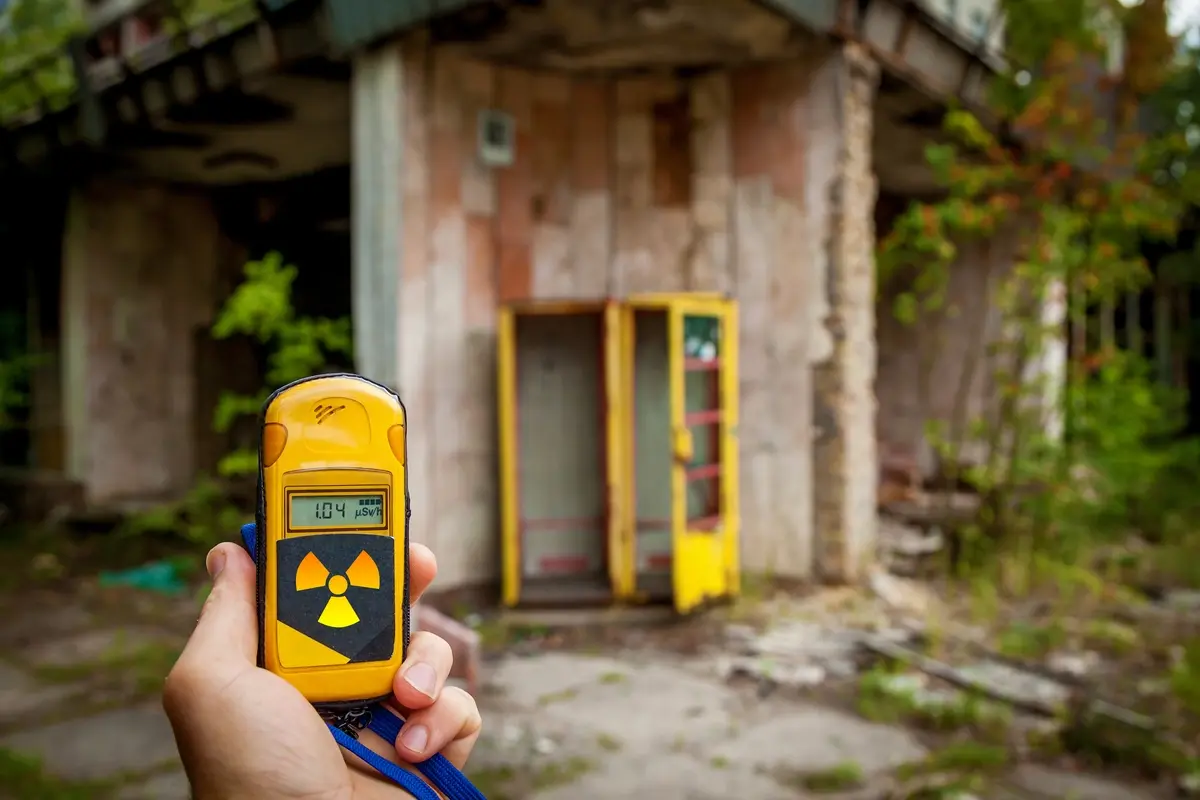
Radon is measured in picocuries per liter (pCi/L). Here’s a simple breakdown:
- Below 2.0 pCi/L (Low risk)
- 2.0 – 4.0 pCi/L (Consider mitigation)
- Above 4.0 pCi/L (Action required)
Even levels below 4.0 can still pose long-term health risks, so many homeowners choose to fix lower levels too.
What to Do If Your Radon Levels Are High
If your test results come back high, don’t panic. This is actually very fixable. Install a radon mitigation system; it’s the most effective solution. It usually involves:
- A pipe system is installed beneath your home
- A fan that pulls radon gas out
- Venting it safely outside
These systems can reduce radon levels by up to 99%. You actively need to seal radon entry points and improve ventilation to dilute radon levels.
Save Your Health & Home
If you live in Michigan, radon is a possibility. That’s why radon testing in Michigan is something every homeowner should take seriously. Radon is easy to test, affordable to fix, and completely manageable once you know your levels.
Think of radon testing for the indoor environment as a simple step that protects both your home and your family. Schedule a radon test with Total House Inspection and take the needed steps to keep your place safe for living.