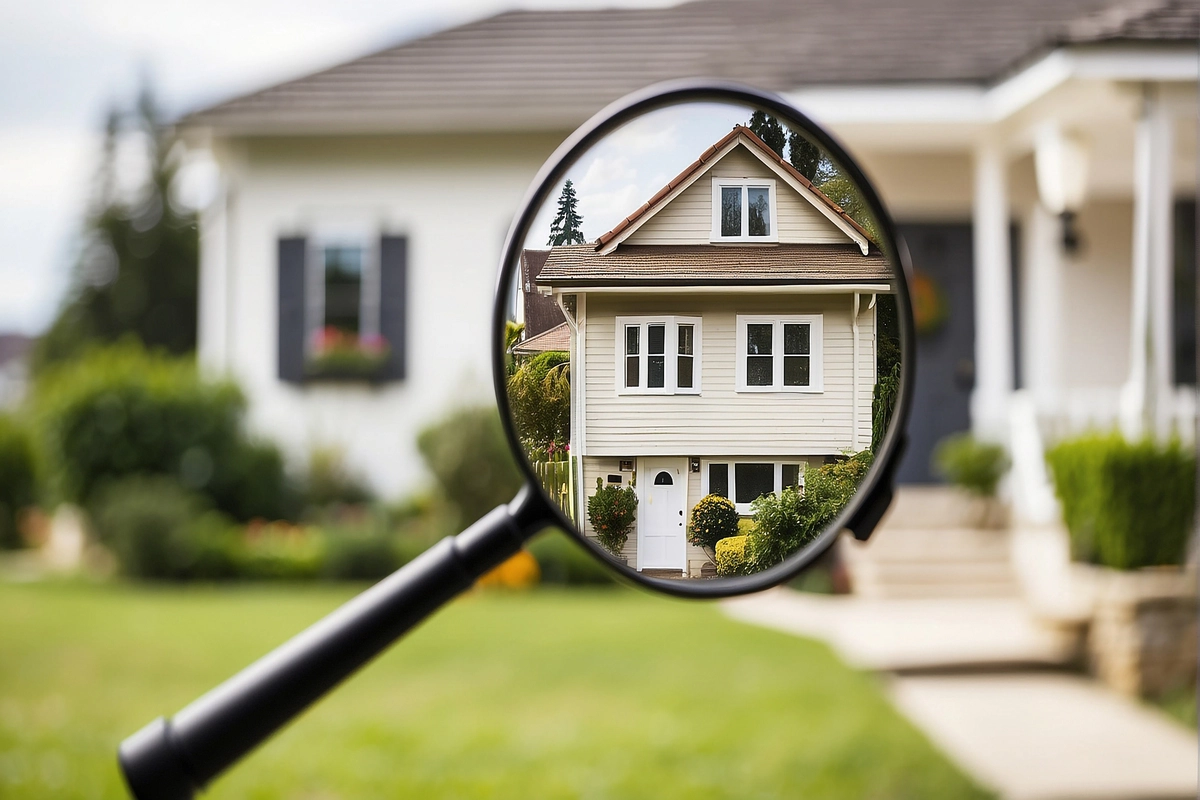
Buying a brand-new home feels like a fresh start. Everything is new, modern, and untouched, leading many buyers to assume there’s nothing to worry about. But it’s the reality: even new homes can have hidden issues. That’s why a new construction home inspection is just as important as inspecting an older property. It helps ensure everything is built correctly, safely, and up to standard before you fully settle in.
Why You Shouldn’t Skip an Inspection on a New Home
It’s a common belief that new homes are flawless. After all, they’ve just built what could go wrong?
The truth is, construction projects involve multiple teams, tight timelines, and complex systems. Even small mistakes can happen, and some may not be obvious at first glance. A professional inspection helps:
- Identify construction defects early
- Ensure the home meets building standards
- Catch issues before they become costly repairs
- Give you peace of mind before move-in
What Is a New Construction Home Inspection
A new construction home inspection is a detailed evaluation of a newly built property. It focuses on verifying that all systems, materials, and workmanship meet proper standards. Unlike regular inspections, this type often happens in stages:
- Pre-pour inspection (before foundation is poured)
- Pre-drywall inspection (before walls are closed)
- Final inspection (before closing or move-in)
Each stage ensures that issues are caught early when they’re easier and cheaper to fix.
Key Benefits of a New Construction Inspection
Let’s break down the real value behind scheduling a new construction inspection.
Catch Hidden Construction Defects Early
Not all issues are visible on the surface. Some problems are hidden behind walls, under flooring, or within structural components. An inspection can reveal:
- Improper wiring or plumbing
- Framing issues
- Insulation gaps
- Poor workmanship
Catching these early prevents bigger problems later.
Ensure Work Meets Code & Standards
Even though builders follow regulations, mistakes can still happen. A new construction home inspection helps verify that:
- Electrical systems are installed correctly
- Plumbing meets safety requirements
- Structural components are properly built
This adds an extra layer of protection beyond basic construction checks.
Helps You Avoid Costly Repairs
Fixing problems during construction is much easier than repairing them after you move in. For example:
- A small plumbing issue now could become a major leak later
- Improper insulation could lead to higher energy bills
An inspection ensures these issues are addressed before they turn into expensive repairs.
Improves Long-Term Home Performance
A properly inspected home performs better over time. Benefits include:
- Better energy efficiency
- Fewer maintenance issues
- Longer lifespan of systems and materials
In short, a well-built and inspected home saves you money and stress in the long run.
Identify Safety Concerns
Safety should always be a top priority, even in new homes. Inspections help detect:
- Electrical hazards
- Improper ventilation
- Structural weaknesses
- Fire safety issues
Addressing these early ensures your home is safe for you and your family.
What Inspectors Typically Check
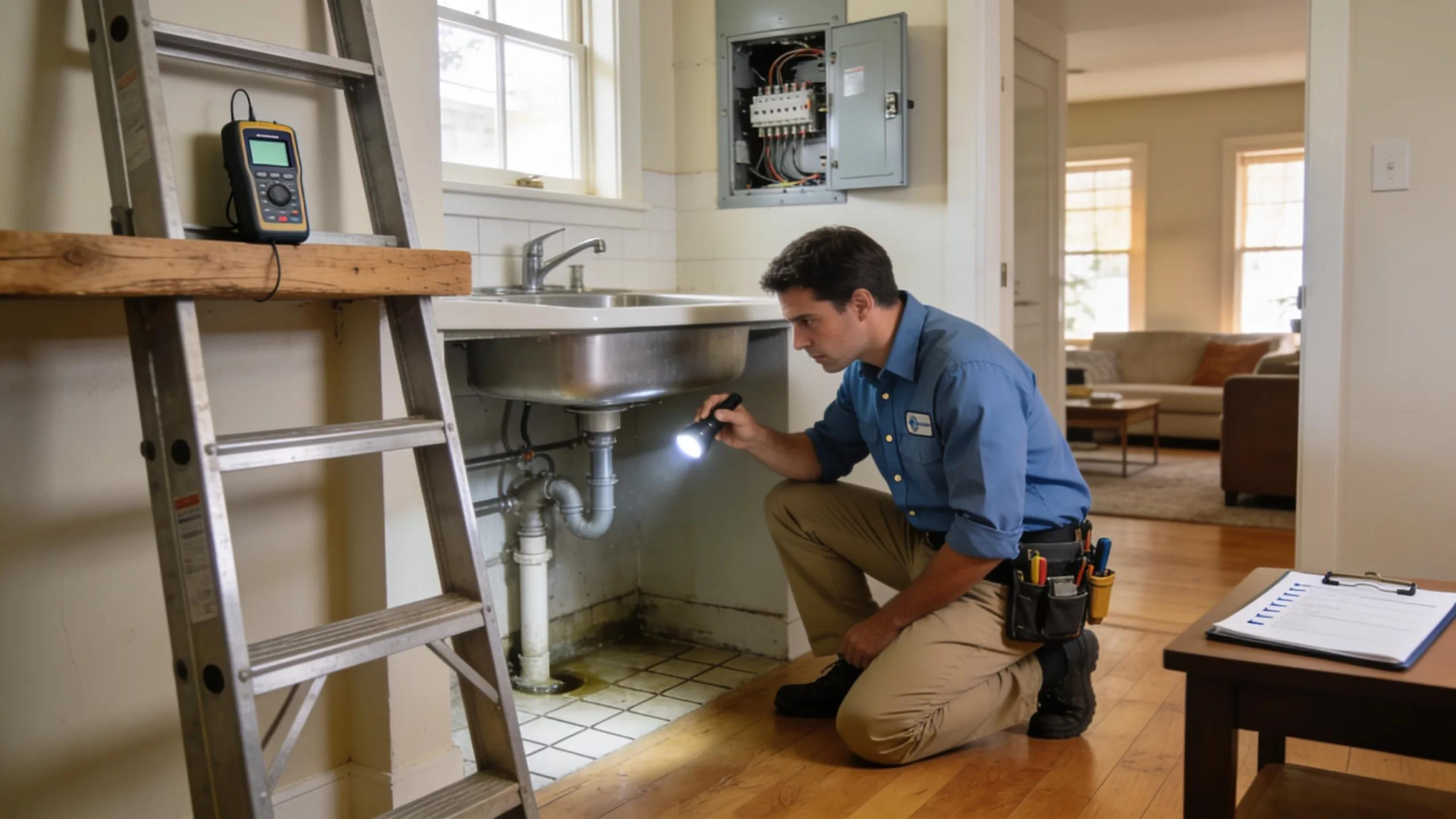
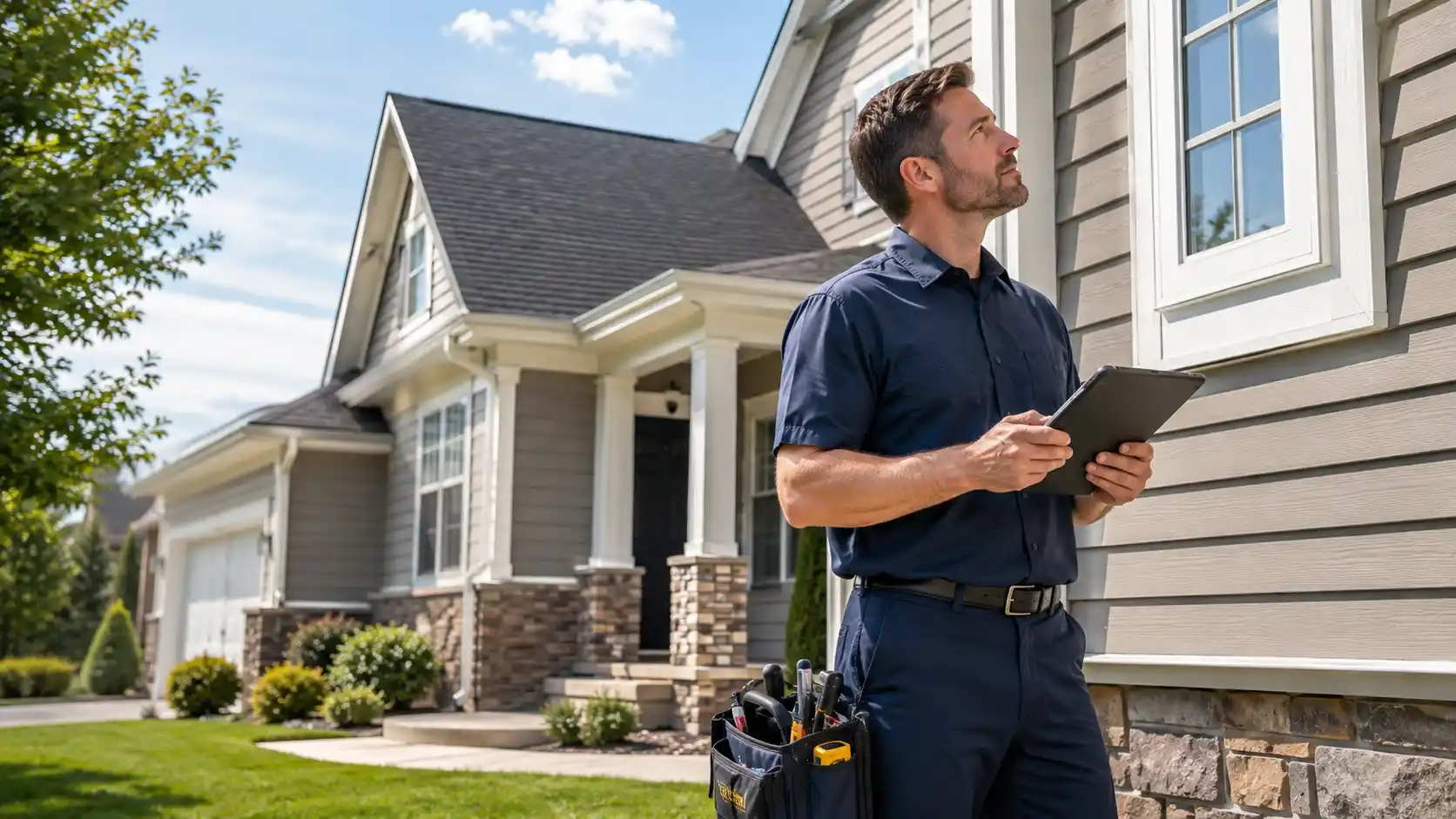
During a new construction home inspection, inspectors evaluate all major systems of the home. From the foundation to the finishing touches, each component is carefully evaluated to identify any defects, code issues, or areas that may need correction before you move in. Here’s what is included in inspectors checklist:
- Structural Components
- Electrical components
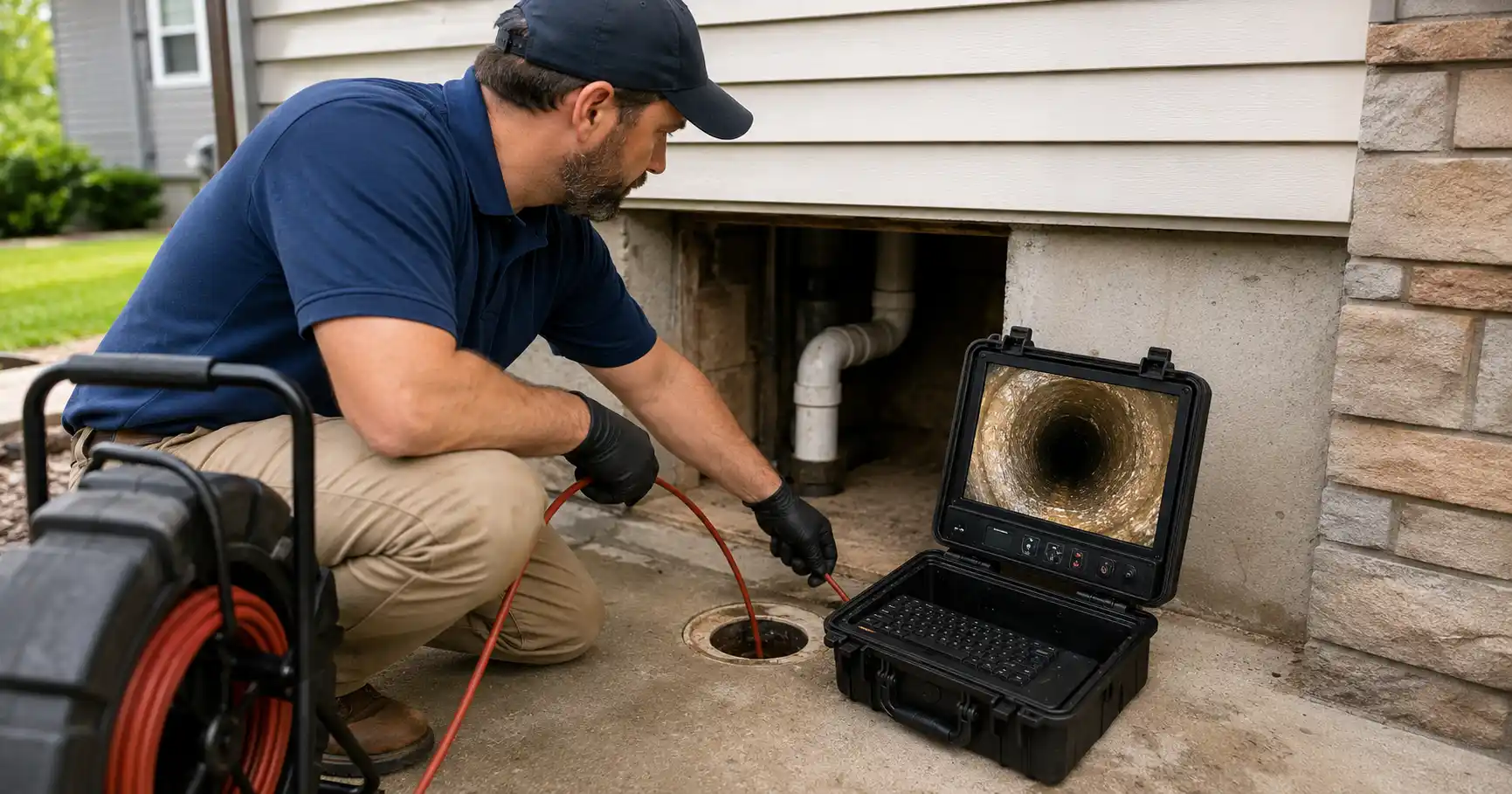
- Plumbing systems
- HVAC systems
- Interior & exterior features
Why Should You Schedule the Inspection
Timing matters when it comes to inspections. Ideally, you should schedule:
- Before drywall installation, check internal systems
- Before closing for a final walkthrough
- Before warranty expiration (usually around 11 months)
This ensures nothing is missed at any stage of construction
Common Issues Found in New Homes
You might be surprised at how often new homes have defects. Some common findings include:
- Misaligned doors and windows
- Poor drainage around the foundation
- Missing insulation
- Electrical wiring issues
- Roof installation problems
These issues may seem minor at first, but can lead to bigger problems if left unaddressed.
Why Builders’ Inspections Aren’t Enough
Builders often conduct their own inspections, but those are primarily for compliance rather than detailed evaluation. A third-party inspector works for you, not the builder. This means:
- You get an unbiased assessment
- Nothing is overlooked for the sake of deadlines
- Your interests are fully protected
Get a New Construction Inspection
A new home may look perfect, but that doesn’t mean it’s free from issues. Construction mistakes, hidden defects, and overlooked details can still exist. A new construction home inspection gives you the confidence that your home is built correctly, safely, and ready for the long term.
Get your new home inspected by the licensed inspectors of Total House Inspection. It’s one of the smartest steps you can take as a buyer.