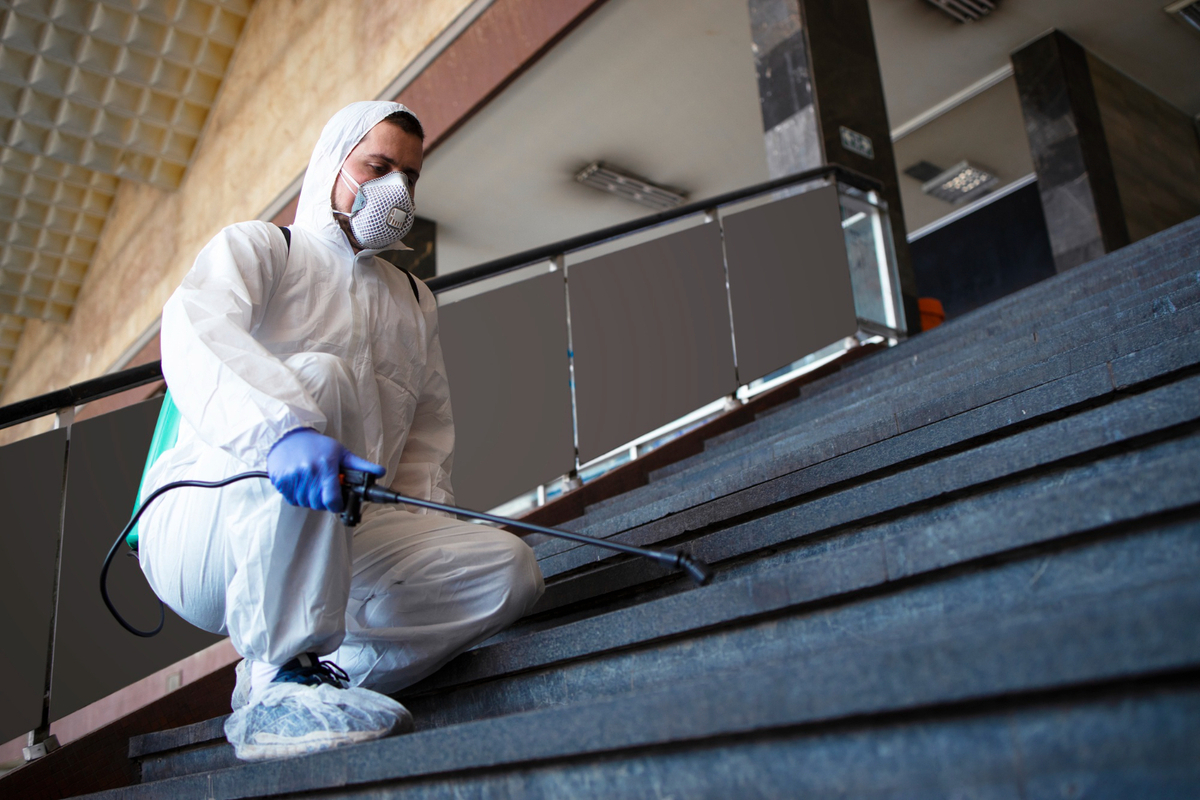
If you’ve ever walked into a room and noticed a musty smell, seen a dark spot near the ceiling, had a recent leak there, or someone in your home is dealing with unexplained allergy-like symptoms. Then it’s time for mold testing.
Testing for mold isn’t about creating fear. It’s about clarity. The purpose of a test is to protect your property and your health. It’s also a step to keep your home safe.
What Is Mold Testing
Mold testing is the process of collecting samples from the air or surfaces in your home to determine:
- Whether mold spores are present
- What type of mold may be present
- Whether indoor levels are elevated compared to outdoors
It’s important to understand that mold spores exist almost everywhere. According to the U.S. Environmental Protection Agency (EPA), mold is a natural part of the environment and can be found both indoors and outdoors. Testing isn’t about knowing if the mold exists; it’s about determining hidden growth that needs attention.
Why Mold Inspection & Testing Matters
You might be wondering: if mold is common, why test for it? Because not all mold situations are equal. Here’s where mold testing becomes valuable:
Identifies Hidden Mold
Visible mold is easy to spot. But mold behind walls, under flooring, inside HVAC systems, or above ceilings isn’t. If you smell mold but can’t find it, testing can help confirm if spores are circulating in the air.
Hidden moisture problems often go unnoticed until extensive damage occurs. Testing can provide early warning signs.
It Helps Protect Indoor Air Quality
Indoor air quality plays a vital role in overall comfort and well-being. The Centers for Disease Control and Prevention (CDC) states that exposure to damp and moldy environments may cause symptoms such as nasal congestion, throat irritation, coughing, wheezing, or skin irritation, particularly with asthma or mold sensitivities.
If someone in your home experiences ongoing respiratory symptoms that improve when away from the house, mold testing may help determine whether indoor air is contributing to them.
It Supports Real Estate Transactions
Mold concerns can quickly complicate a home sale. Buyers want reassurance. Sellers want documentation. Lenders sometimes require clarity. Mold testing offers a neutral, third-party evaluation that can either:
- Confirm normal levels
- Identify a manageable issue
- Provide documentation after remediation
In real estate, documentation builds confidence, and confidence keeps transactions moving.
It Guides Proper Remediation
Cleaning visible mold without understanding the source can lead to repeated problems. Mold needs moisture to grow. If the underlying cause isn’t addressed, it usually returns.
Professional mold testing often includes moisture detection tools that help locate leaks, humidity issues, or ventilation problems. That’s how you truly keep your home safe.
When Should You Consider Mold Testing
It’s not always necessary to test for mold. The following are certain situations when testing is needed:
- After flooding or water damage
- When you notice persistent musty odors
- If visible mold covers a large area
- When buying or selling a home
- If family members experience unexplained allergy-like symptoms
- Before and after mold remediation
In case of visible mold, testing helps determine the extent and source of contamination.
How to Keep Your Home Safe from Mold
Mold testing helps identify problems, but prevention is what truly keeps your home safe long term. The good part is that mold prevention mostly comes down to moisture control. Here are practical steps every homeowner can take to prevent mold growth:
- Control Indoor Humidity: Keep indoor humidity below 50%. In humid climates, a dehumidifier can make a big difference.
- Fix Leaks Quickly: Whether it’s a dripping pipe, roof leak, or appliance issue, don’t delay repairs. Mold can begin developing within 24-48 hours of water exposure.
- Improve Ventilation: Use exhaust fans in bathrooms and kitchens. Make sure your dryer vents outside. Proper airflow prevents moisture buildup.
- Maintain Proper Drainage: Ensure gutters are clean and downspouts direct water away from the foundation. Water pooling around the home increases risk.
- Dry Wet Areas Immediately: Spilled water, flooded basements, or soaked carpets should be dried thoroughly and quickly.
- Schedule Inspection After Water Damage: If your home has experienced flooding or significant leaks, professional mold testing can help determine whether hidden moisture has become a larger issue.
Preventive maintenance may seem simple, but it’s one of the most effective ways to keep your home safe from mold growth.
Mold Testing Helps to Maintain a Safe Indoor Environment
Mold testing is about protection. Homes naturally encounter moisture from rain, plumbing, humidity, and everyday living. But when moisture lingers, mold finds a suitable environment to grow.
Testing helps you understand whether what you’re seeing or smelling is a minor issue or something that requires attention. Schedule your mold test and let the experts at Total House Inspection guide you through the necessary steps to keep your home safe.