Radon is one of those home safety issues that is easy to ignore. You can’t detect its presence, as there might be no obvious warning sign. This naturally occurring radioactive gas can accumulate in homes and increase the risk of serious health problems over time. That’s why radon testing in Michigan is a smart step.
What Is Radon
Radon is a radioactive gas that forms naturally when uranium breaks down in soil, rock, and water. Since it comes from the ground, it can enter homes through cracks, gaps, crawl spaces, sump openings, foundation joints, and other small entry points. The problem is that once radon gets inside, it can become trapped, especially in lower areas like basements and crawl spaces.
Why Michigan Homes Are at Risk
Radon can be found in homes across the United States, but Michigan has a significant radon concern due to its soil and geological conditions. It’s important to remember that radon levels can vary from one home to the next. Your neighbor’s home may test low while yours tests high, even if both properties are on the same street. That’s why maps are helpful for awareness, but they are not a replacement for testing your actual home. In simple terms: every Michigan home should be tested.
The Health Risks of Radon Exposure
According to the Centers for Disease Control and Prevention, radon is invisible and odorless, and long-term exposure to high levels can increase the risk of lung cancer. When radon gas decays, it produces radioactive particles. These particles can be inhaled and become trapped in the lungs. Over time, they can damage lung tissue and increase cancer risk.
For people who smoke, the risk is even higher. The CDC explains that radon-related lung cancer risk is greater for smokers, but radon can still cause lung cancer in people who have never smoked.
Why Radon is Easy to Overlook
Radon doesn’t cause immediate symptoms. It’s not like you walk into a basement and start coughing because of radon. You won’t notice headaches, dizziness, or allergy-like signs from normal household exposure.
The health effects usually develop over years of radon exposure, which makes radon different from many other home hazards. A plumbing leak, mold stain, or electrical issue usually gives you something to notice. Radon doesn’t. By the time health concerns appear, exposure may have been happening for a long time. A simple test is the only reliable way to know whether your home has elevated levels.
How Radon Gets Into Michigan Homes
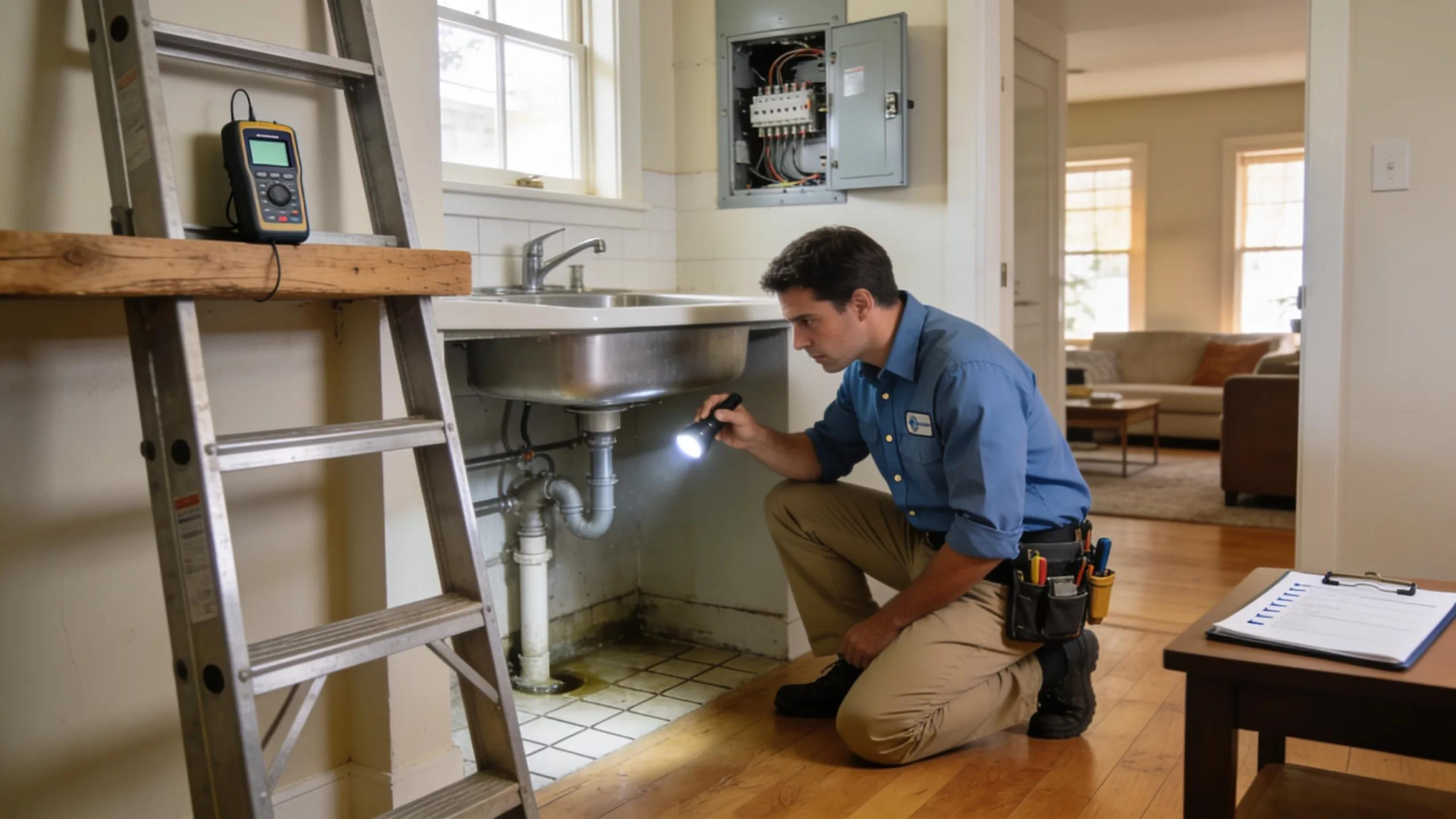
Radon usually enters through pressure differences between the inside of the home and the soil underneath it. Your home can act almost like a vacuum, pulling soil gases upward through small openings. Common entry points include:
- Cracks in the basement floors or foundation walls
- Gaps around plumbing or utility lines
- Crawl spaces
- Sump pits
- Floor drains
- Construction joints
- Well water in some cases
Michigan homes with basements can be especially worth testing because radon often collects in the lowest livable level of the home.
How Radon Testing in Michigan Helps
The good news is that radon testing is simple, affordable, and effective. A professional radon test measures the radon level in your indoor air and helps determine whether action is needed. For real estate buyers in Michigan, radon testing can be especially important before closing. It helps reveal a hidden health risk that a standard visual home inspection may not catch.
What Happens If Radon Levels Are High
If a test shows elevated radon levels, it does not mean you need to panic. It means you need to take action. Radon problems can usually be fixed with a mitigation system. A typical mitigation system uses a vent pipe and fan to pull radon from beneath the home and release it safely outdoors before it can build up inside. Your inspector will recommend a mitigation system if the levels exceed 4 pCi/L.
Schedule Your Radon Testing in Michigan
Radon may be invisible, but the risk is real. Because Michigan homes can have elevated radon levels, testing should be part of responsible homeownership and real estate due diligence. The good news is that radon testing in Michigan is simple, and if elevated levels are found, solutions are available. By understanding the dangers of radon exposure and testing your home, you can protect your family’s health.
Schedule your radon test with Total House Inspection and make smarter decisions about your property.