As the real estate market evolves in 2026, understanding the nuances of professional mold inspection remains crucial for home buyers and sellers. Homeowners must be aware of the potential hazards posed by mold and the legal implications surrounding it. This guide aims to educate readers on the necessity of certified mold inspections while explaining relevant health risks, processes, and regulations. Mold can significantly affect property value and safety, making its inspection a step that cannot be overlooked in real estate transactions. In this comprehensive look at mold inspection in Southeast Michigan, we will delve into the reasons for certification, inspection procedures, common mold types and their impacts, costs associated with inspection services, and the qualifications that define trusted inspectors.
Why Is Certified Mold Inspection Crucial for Home Buyers and Sellers in 2026?
A certified mold inspection serves as a safeguard for both buyers and sellers in the real estate market. These inspections help identify hidden mold issues that could lead to serious health risks and diminish property value. Mold not only impacts structural integrity but can also pose significant health threats, leading to increased legal liabilities for property owners. Understanding these factors is vital to making informed decisions about property transactions. For comprehensive property assessments, consider utilizing services that offer thorough evaluations to ensure peace of mind.
What Health and Safety Risks Does Mold Pose to Homeowners and Buyers?
Mold exposure can lead to various health issues, affecting both respiratory and overall health. Individuals may experience respiratory problems, such as asthma or other allergic reactions. Long-term exposure to mold can exacerbate these issues, resulting in chronic health problems, particularly in vulnerable populations such as children and older people. Statistics indicate that more than 3 million individuals experience health problems linked to mold (source: NIH), highlighting the critical need for mold inspection in homes.
Beyond the direct health impacts, a damp environment can lead to significant structural and financial problems for Michigan homeowners, reinforcing the necessity of addressing potential water and mold issues promptly.
Wet Basements in Michigan: Health, Value, and Mold Risks
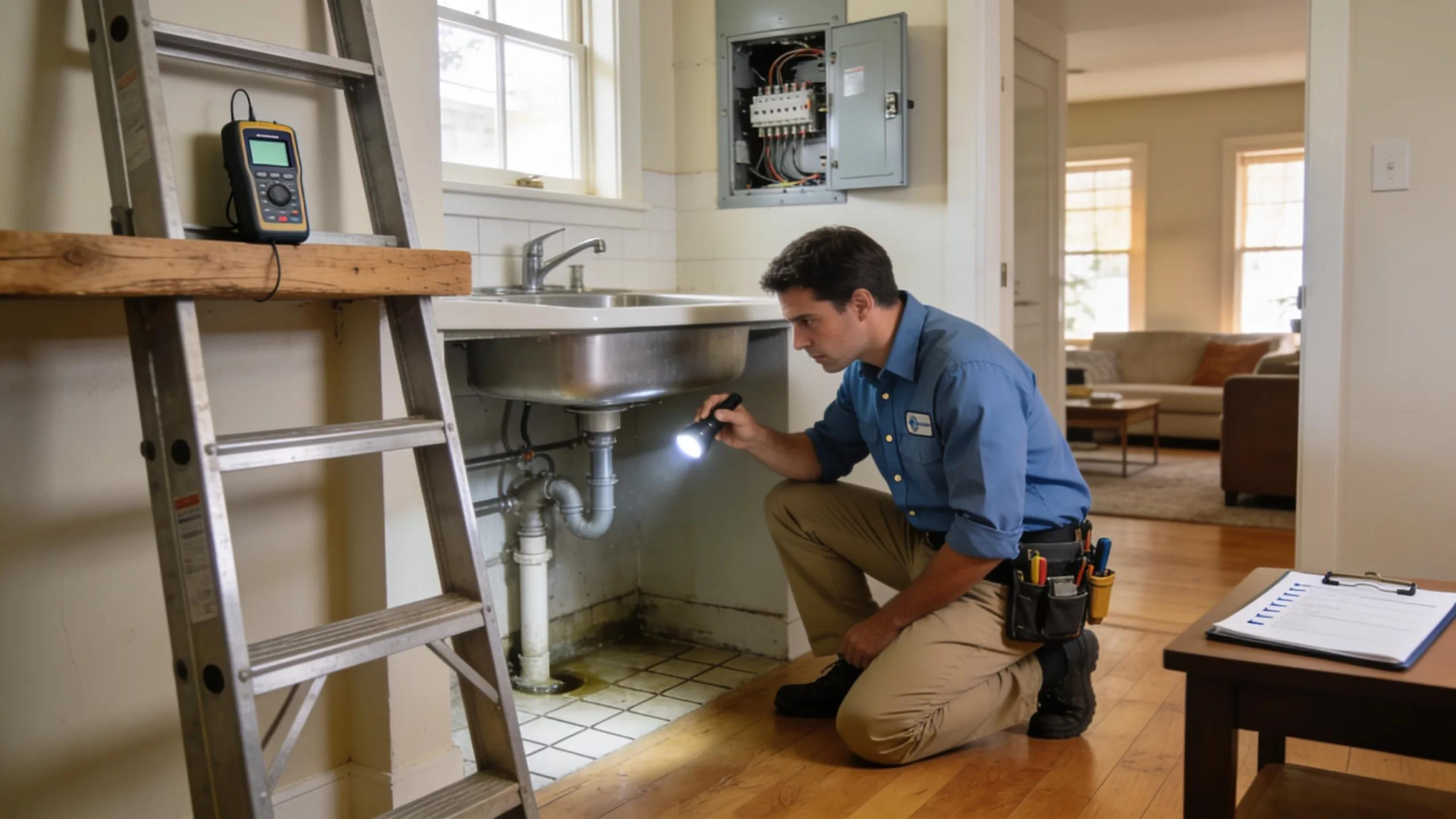
A wet basement in Michigan is not a minor inconvenience. It affects the habitability, value, and insurability of the home, with structural, financial, and health consequences. Water in a basement damages flooring, drywall, insulation, mechanical systems, and stored property. It creates conditions for mold and mildew, which degrade indoor air quality and can trigger respiratory problems, especially in children and people with compromised immune systems. The musty odor of a chronically damp basement spreads through the whole house on natural air currents, reaching living spaces well above the basement. Diagnosing and Repairing Wet Basements in Michigan
How Does Certification Ensure Reliability in Mold Inspections?
Certification of mold inspectors is vital in ensuring the reliability and credibility of the inspection process. Certified inspectors are trained in the complexities of detecting mold, understanding its implications, and providing accurate assessments. Their expertise differentiates them from non-certified providers, who might miss critical indicators of mold presence or fail to perform thorough evaluations. The certification signifies adherence to standards and best practices, ensuring the process is conducted professionally and accurately.
How Does the Professional Mold Inspection Process Work in Southeast Michigan?
The professional mold inspection process involves several key steps aimed at thoroughly assessing potential mold issues within a property. Certified mold assessors utilize specific methodologies to evaluate indoor air quality and identify sources of moisture that can lead to mold growth.
What Are the Key Inspection Steps by Certified Mold Assessors?
The mold inspection process typically includes the following steps:
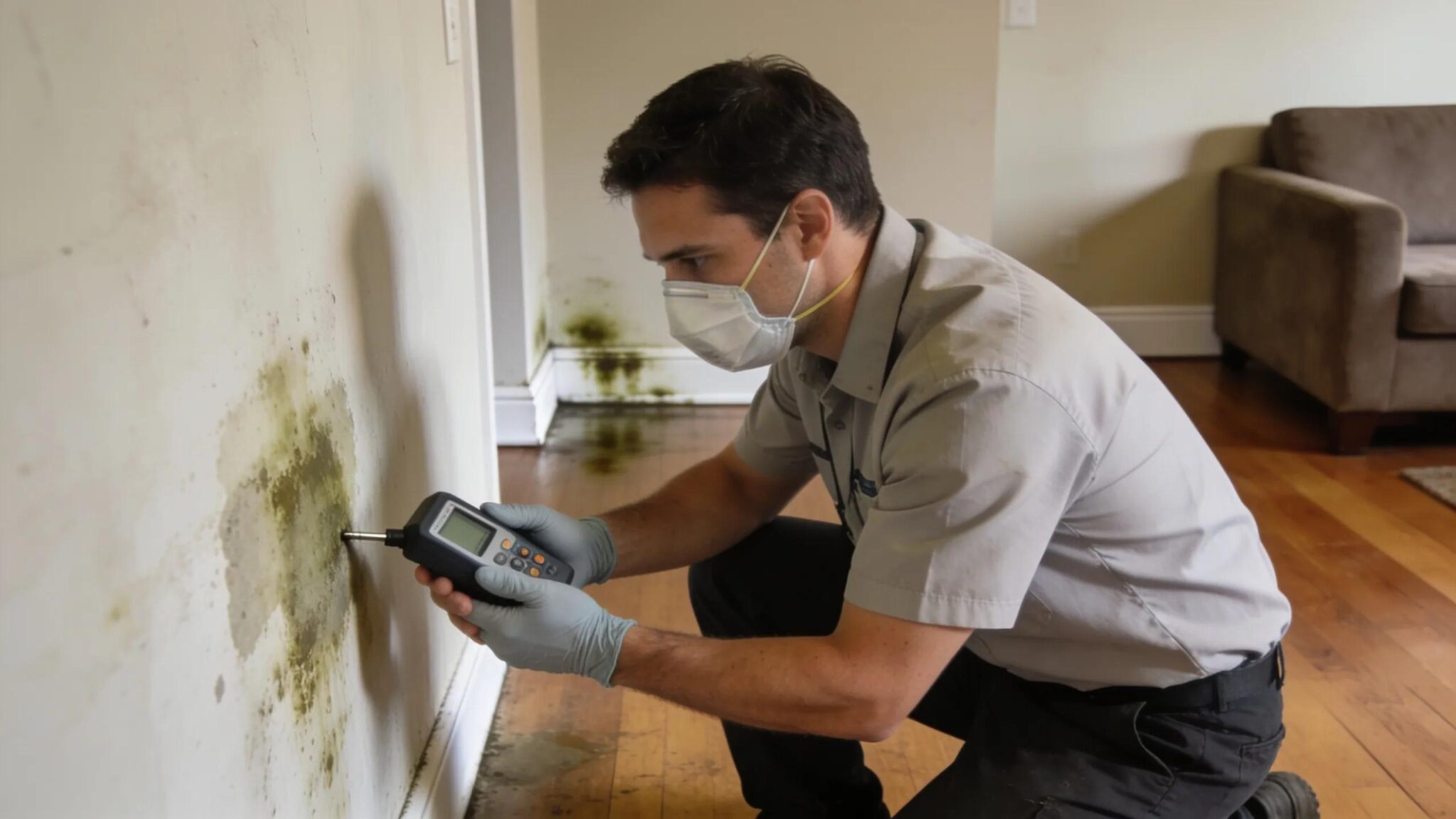
Initial Visual Assessment: Inspectors perform a thorough walk-through, looking for visible mold, water damage, and moisture sources.
Mold Sampling: This involves collecting air samples and surface samples to identify mold spore concentrations.
Moisture Assessment: Inspectors use specialized tools to measure humidity levels and identify hidden moisture.
Report Generation: Following the inspection, assessors provide a detailed report outlining findings and recommendations for remediation if needed.
The thoroughness of these steps is vital for providing an accurate picture of a property’s mold situation.
How Do Mold Inspection and Mold Testing Differ?
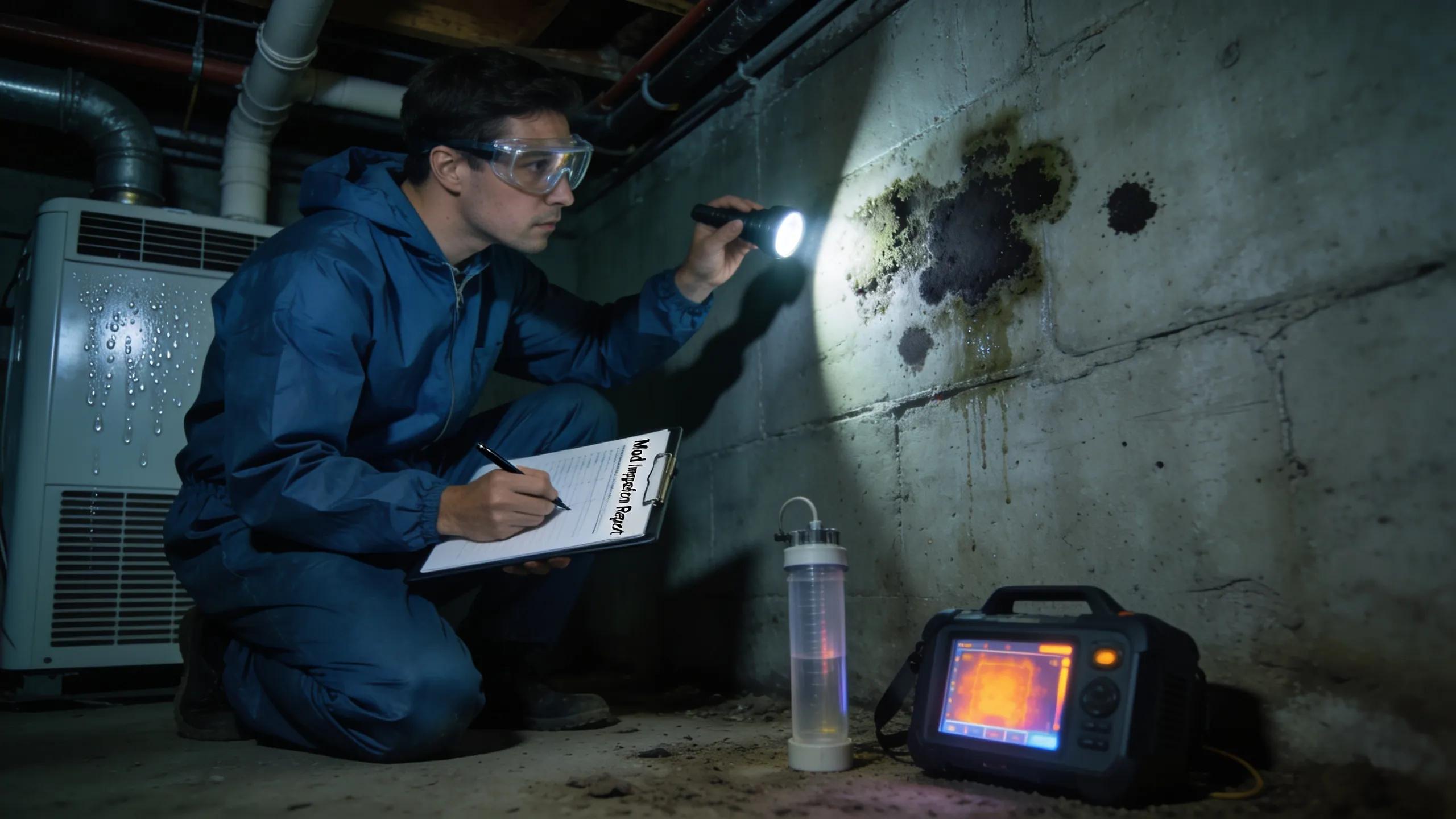
Mold inspection and mold testing, while closely related, serve different purposes in the assessment of mold issues. Inspection focuses on visual assessments and identifying conditions conducive to mold growth, while testing involves analyzing samples to quantify mold spores present in the environment. Understanding this distinction is crucial for homeowners and buyers as they navigate potential mold issues.

Which Common Mold Types and Associated Health Risks Should You Know in Southeast Michigan?
Southeast Michigan is home to several prevalent mold species, each posing distinct health risks. Recognizing these types is essential for homeowners and buyers alike.
What Are the Most Prevalent Mold Species in Southeast Michigan Homes?
Common molds in the region include:
Aspergillus: Known to cause respiratory issues and allergic reactions.
Cladosporium: Commonly found in homes; it can trigger asthma and other allergic responses.
Stachybotrys: Often referred to as black mold, it is particularly toxic and can lead to severe health complications.
Understanding these mold types can help in preventing their spread and managing health risks effectively. For those looking to ensure their homes are free from these hazards, professional mold inspection services are invaluable.
How Can Mold Affect Respiratory and Overall Health?
Exposure to mold can have serious implications for respiratory health, with studies showing links to asthma, allergic reactions, and other chronic health issues. Individuals with pre-existing conditions, such as asthma or allergies, may be particularly vulnerable. Additionally, mold exposure has the potential to affect mental health and overall well-being, making its inspection a priority for maintaining a healthy living environment.
Frequently Asked Questions About Mold Inspections in Southeast Michigan
The typical cost for home mold inspection in Southeast Michigan ranges from $300 to $700, depending on the property's size and the extent of the inspection. Factors influencing pricing include the complexity of the property and the thoroughness of the inspection required.
Scheduling a certified mold assessment with Total House Inspection is straightforward. Interested parties can visit the company's website and follow the prompts to book an appointment, ensuring they receive timely assessments in their properties. For immediate booking assistance, one can explore the ease of scheduling online.
Mold inspectors in Michigan must adhere to state regulations that require specific training and certification. This includes completion of accredited courses covering mold identification, safety practices, and remediation processes. These qualifications ensure that inspectors are equipped to handle mold-related assessments properly.
Hiring a certified mold inspector ensures that clients receive thorough and reliable assessments. Certified professionals possess the necessary training and knowledge to identify and tackle complex mold issues, reducing the risk of oversight that less qualified providers may present. Case studies show that properties examined by certified inspectors not only report better remediation outcomes but also provide more confidence to buyers and sellers in the real estate market.
In Michigan, specific state guidelines govern mold inspections, outlining the responsibilities of property sellers to disclose any known mold issues and the necessity of providing inspection reports during transactions. Buyers benefit from knowing these regulations, as they promote transparency and accountability in real estate dealings.
The increase in mold-related health claims is prompting more stringent inspection requirements. Regulatory bodies are now advocating for more frequent inspections and certifications, reflecting a growing awareness of the health impacts associated with mold exposure. Proactively addressing potential mold issues not only protects individuals but also safeguards property values and public health. Relying on a trusted source for home inspections is key in navigating these requirements.
Mold Type | Health Risks | Prevalence in Southeast Michigan |
|---|---|---|
Aspergillus | Respiratory issues, allergies | Common |
Cladosporium | Asthma, allergic responses | Frequent |
Stachybotrys | Severe health complications | Particularly toxic and rare |
This table summarizes the prevalent mold types, associated health risks, and their frequency in Southeast Michigan, underlining the importance of conducting thorough mold inspections before purchasing or selling a home.