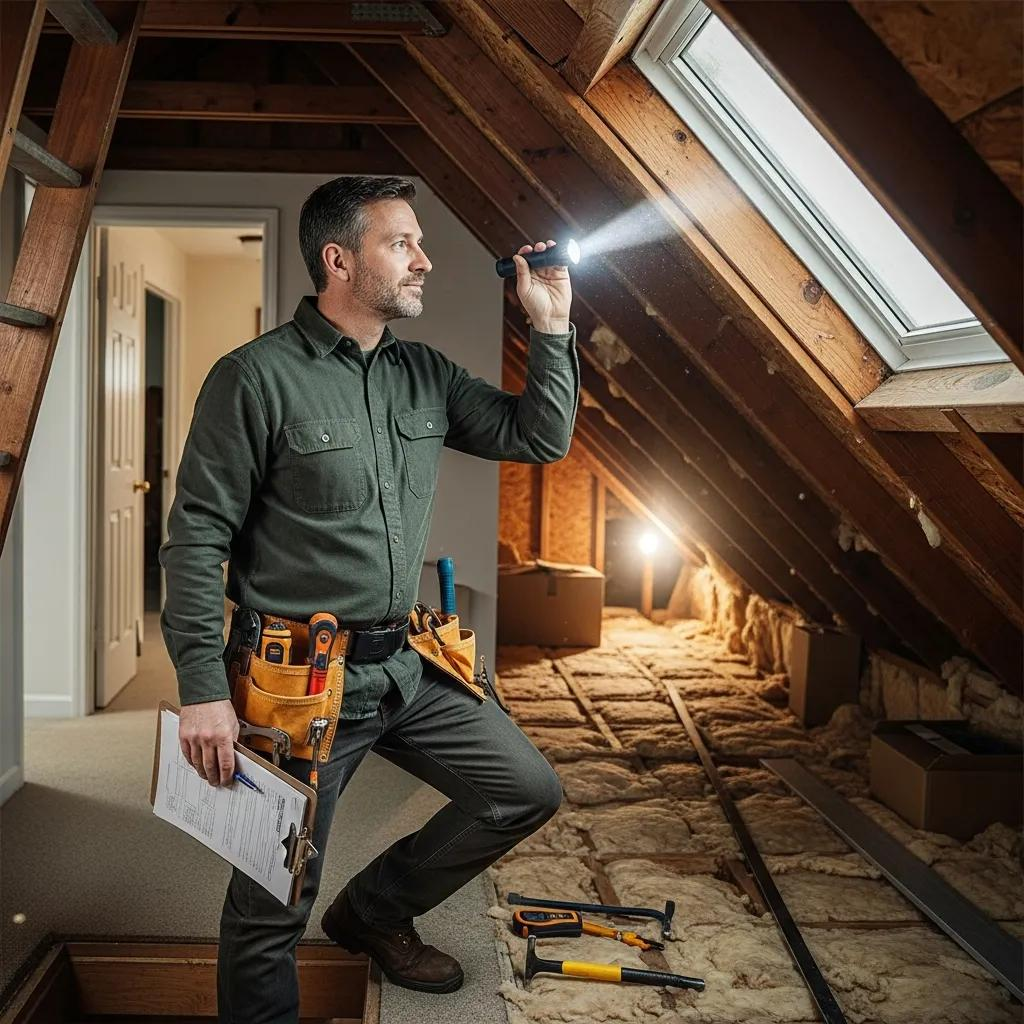
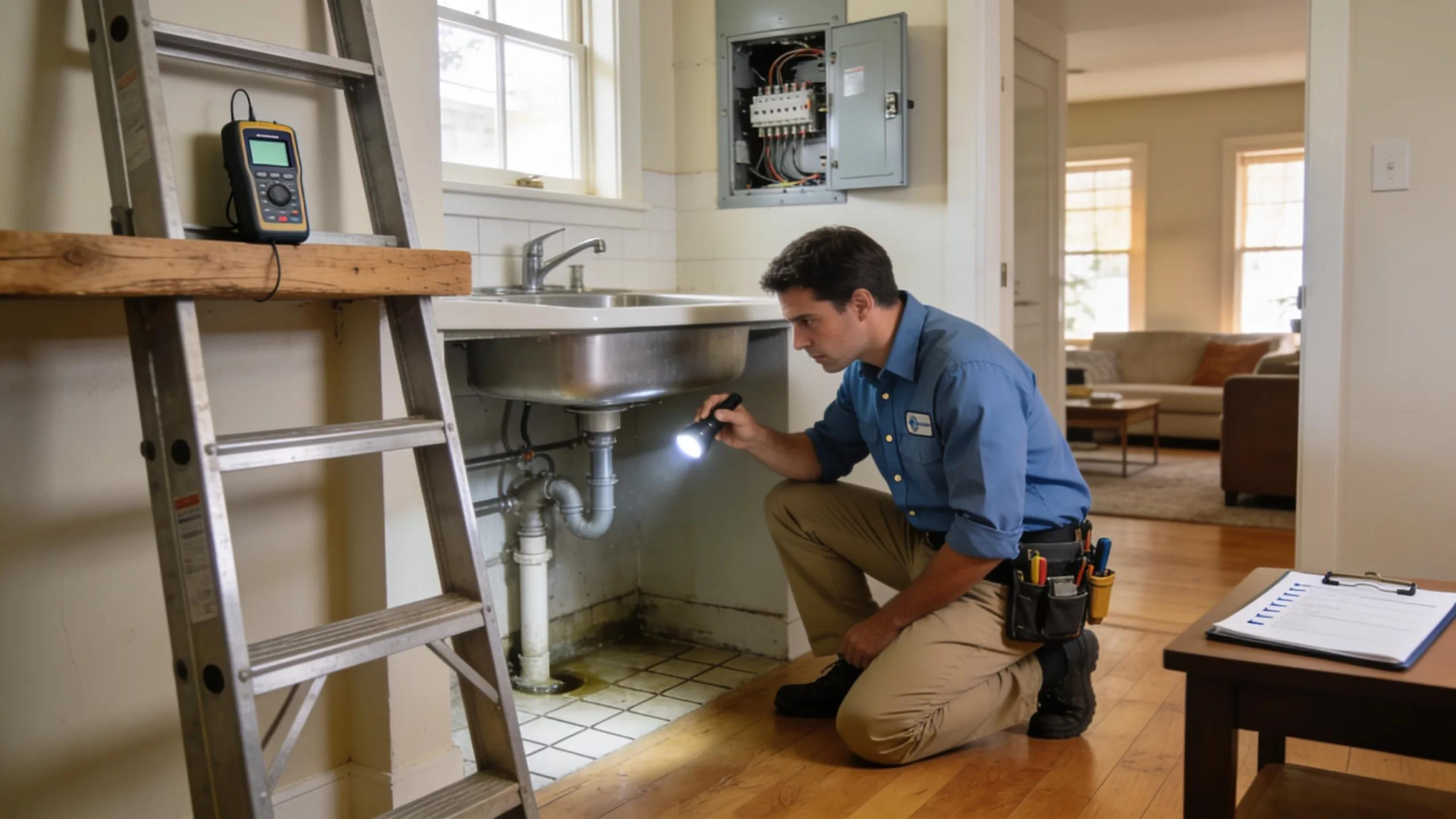
Our examination of the electrical system includes a visual examination of the exposed and accessible branch circuits, wiring, service panel, over current protection devices, lighting fixtures, switches, and receptacles. Service equipment, proper grounding, wiring methods and bonding are focal points. We inspect for adverse conditions such as lack of grounding and bonding, over-fusing, exposed wiring, open-air wire splices, reverse polarity and defective GFCI’s. The hidden nature of the electrical wiring prevents inspection of every length of wire or their connections. Telephone, video, cable, audio, security systems and other low voltage systems were not included in this inspection unless specifically noted. We recommend you have the seller or a specialist demonstrate the serviceability or locations of these systems to you if necessary. Any electrical repairs attempted by anyone other than a licensed electrician should be approached with caution. The power to the entire house should be turned off prior to beginning any repair efforts, no matter how trivial the repair may seem. Aluminum wiring requires periodic inspection and maintenance by a licensed electrician. Operation of time clock motors is not verified. Inoperative light fixtures often lack bulbs or have dead bulbs installed. Light bulbs are not changed during the inspection, due to time constraints. Smoke Alarms should be installed within 15 feet of all Bedroom doors and in Bedrooms. These units should be tested monthly.
[table_style color=”red”]
| Inspected Item | Image |
| Service Line Entrance Inspection [greenbox] Condition: Satisfactory [/greenbox] |
 |
| Main Panel Inspection [greenbox] Condition: Satisfactory [/greenbox] |
 |
| Circuits & Conductors Inspection [greenbox] Condition: Satisfactory [/greenbox] |
|
| Outlets, Fixtures, & Switches Inspection Number Tested: Representative Number Method of Testing: [greenbox] Condition: Satisfactory [/greenbox] |
|
| Smoke Detectors Inspection [greenbox] Condition: Satisfactory [/greenbox] Replace detector batteries every 6 months. It is recommended that smoke detectors are replaced every 10 years |
[/table_style]