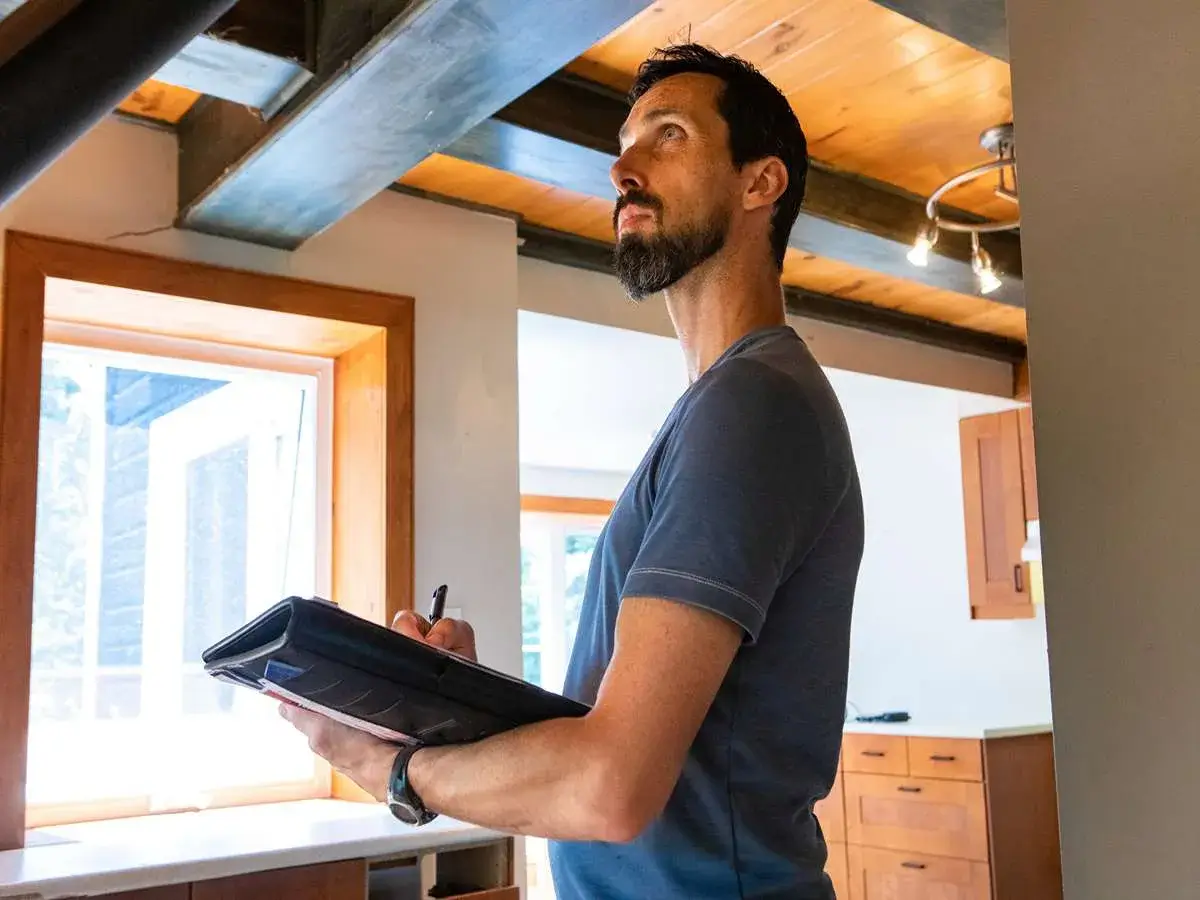
You’re finally under contract on a house. You’ve arranged the home inspection so that you can know what’s really happening behind those walls. But later,
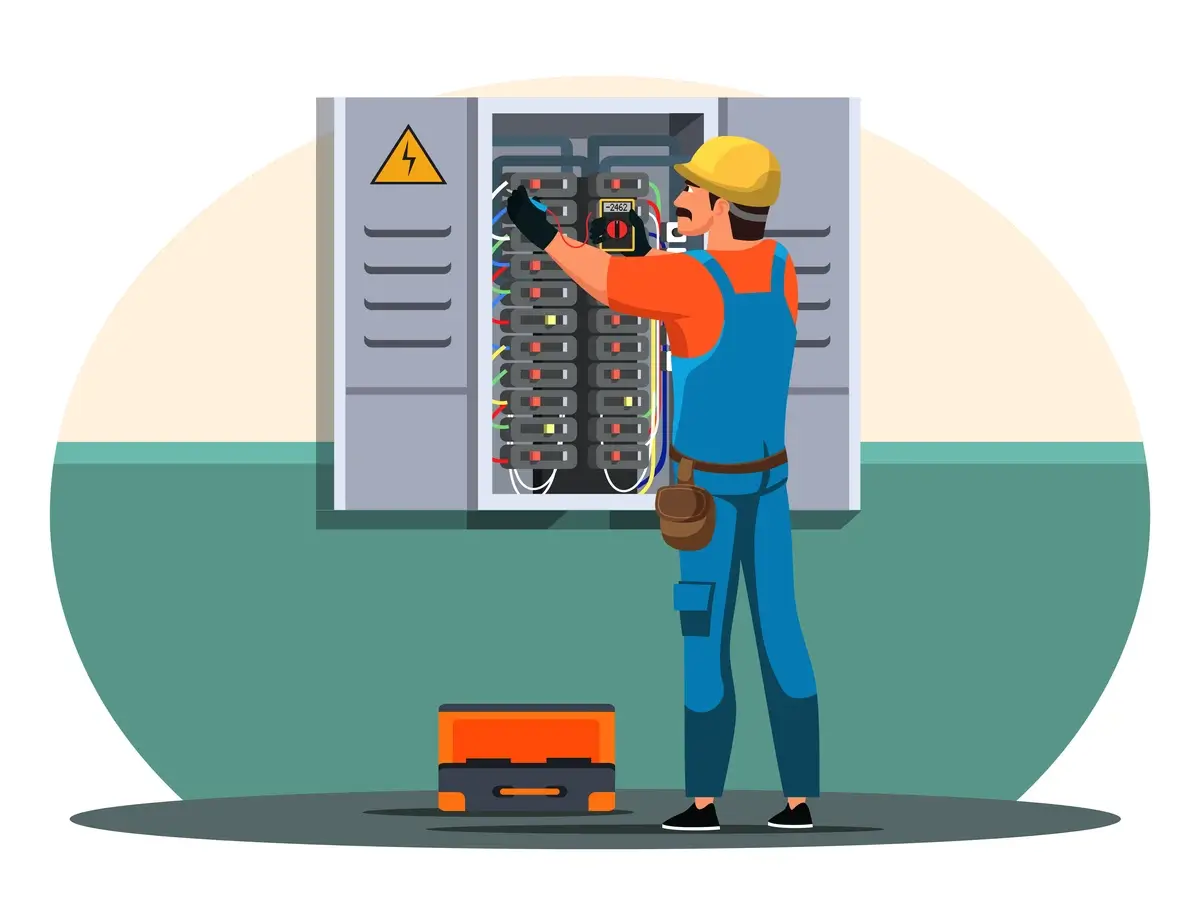
Significant electrical problems appear during home buying and selling, which you should be wary of. During your home inspection, you can find potential safety risks
Home inspections often reveal a variety of issues that can affect the safety and integrity of a property. Common problems include structural damage, plumbing leaks, electrical issues, and HVAC system failures. Understanding these potential issues can help homeowners prioritize repairs and maintenance.
For instance, a leaking roof may lead to significant water damage if not addressed promptly. Similarly, outdated electrical wiring can pose serious safety risks, including fire hazards. By being aware of these common inspection issues, homeowners can take proactive steps to ensure their homes remain safe and compliant.
Importance of Regular Home Inspections
Regular home inspections are crucial for maintaining the safety and value of a property. They help identify potential issues before they escalate into costly repairs, providing homeowners with peace of mind. Scheduling routine inspections can also enhance the longevity of a home’s systems and structures.
For example, an annual inspection can uncover minor plumbing leaks that, if left unchecked, could lead to extensive water damage and mold growth. By investing in regular inspections, homeowners can save money in the long run and ensure their properties remain in top condition.
Choosing the Right Home Inspection Service
Selecting a qualified home inspection service is essential for obtaining a thorough and accurate assessment of a property. Homeowners should look for inspectors who are certified, experienced, and have positive reviews from previous clients. This ensures that the inspection is conducted professionally and comprehensively.
Additionally, it’s beneficial to inquire about the inspector’s methodology and the types of tools they use during inspections. A reputable service will provide a detailed report highlighting any issues found, along with recommendations for necessary repairs. This transparency is vital for homeowners to make informed decisions regarding their property.
Understanding Home Inspection Reports
Home inspection reports are critical documents that summarize the findings of the inspection process. They typically include details about the condition of various systems and structures within the home, highlighting areas of concern that require attention. Understanding these reports is essential for homeowners to address issues effectively.
Reports often categorize findings into different levels of severity, such as minor, moderate, or major issues. This categorization helps homeowners prioritize repairs based on urgency and budget. A clear and concise report can empower homeowners to negotiate repairs with sellers or plan for future maintenance effectively.
Common Home Inspection Issues
Home inspections often reveal a variety of issues that can affect the safety and integrity of a property. Common problems include structural damage, plumbing leaks, electrical issues, and HVAC system failures. Understanding these potential issues can help homeowners prioritize repairs and maintenance.
For instance, a leaking roof may lead to significant water damage if not addressed promptly. Similarly, outdated electrical wiring can pose serious safety risks, including fire hazards. By being aware of these common inspection issues, homeowners can take proactive steps to ensure their homes remain safe and compliant.
Importance of Regular Home Inspections
Regular home inspections are crucial for maintaining the safety and value of a property. They help identify potential issues before they escalate into costly repairs, providing homeowners with peace of mind. Scheduling routine inspections can also enhance the longevity of a home’s systems and structures.
For example, an annual inspection can uncover minor plumbing leaks that, if left unchecked, could lead to extensive water damage and mold growth. By investing in regular inspections, homeowners can save money in the long run and ensure their properties remain in top condition.
Choosing the Right Home Inspection Service
Selecting a qualified home inspection service is essential for obtaining a thorough and accurate assessment of a property. Homeowners should look for inspectors who are certified, experienced, and have positive reviews from previous clients. This ensures that the inspection is conducted professionally and comprehensively.
Additionally, it’s beneficial to inquire about the inspector’s methodology and the types of tools they use during inspections. A reputable service will provide a detailed report highlighting any issues found, along with recommendations for necessary repairs. This transparency is vital for homeowners to make informed decisions regarding their property.
Understanding Home Inspection Reports
Home inspection reports are critical documents that summarize the findings of the inspection process. They typically include details about the condition of various systems and structures within the home, highlighting areas of concern that require attention. Understanding these reports is essential for homeowners to address issues effectively.
Reports often categorize findings into different levels of severity, such as minor, moderate, or major issues. This categorization helps homeowners prioritize repairs based on urgency and budget. A clear and concise report can empower homeowners to negotiate repairs with sellers or plan for future maintenance effectively.