
You’re finally under contract on a house. You’ve arranged the home inspection so that you can know what’s really happening behind those walls. But later, you hear someone saying, “What if the inspector condemns the house?”
That phrase alone can give any buyer shivers down their spine.
But let’s stop for a while; can an inspector condemn a house? What does that even mean? If you’re wondering the same thing, you are not alone.
Let’s dissect it all so you can walk into your home inspection armed with knowledge and confidence.
What Does It Actually Mean To Condemn A House
First of all, let us dispel the term. Condemning a house means a government agency, which is most often a local building or health department, has determined the property to be unsafe and unfit for human habitation. This can occur for a number of reasons:
- Collapse of structure (roof or foundations).
- Extreme mold or water damage.
- Disease (asbestos or sewage spillage).
- Extreme code violations or fire damage.
After a house has been condemned, nobody can legally occupy it until corrective measures are taken and accepted to have been taken by the local officials.
Can An Inspector Condemn A House
Here’s the answer you need: No, a home inspector can’t condemn a house.
This is a common misconception. Home inspectors are professionals trained for home inspections; they do not have legal powers to condemn a property. No one else can do that except a city or county code enforcement officer, a building inspector, or a public health official.
So, if you’re wondering, can an inspector condemn a house? No, they can’t. They do not have the authority to do so.
That said, a home inspector can point out serious safety issues or suggest that a structural engineer or the local authority assess the situation further.
Imagine the inspector is your lookout. They will let you know if something is very wrong, but they won’t and can’t condemn the house.
The Things A Home Inspector Can Do
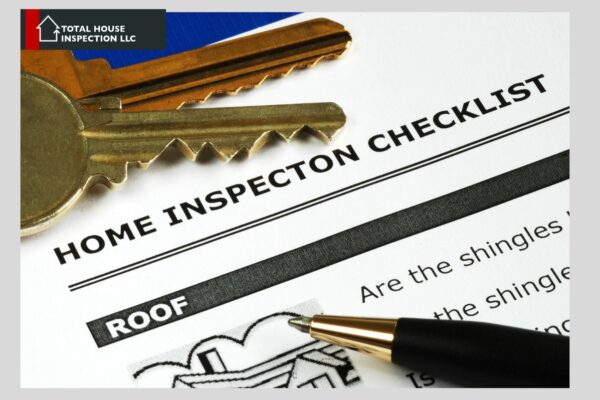
Home inspectors can discover problems that may eventually lead to condemnation of a house, even if they cannot do it. They assess the house’s condition and report on such things as:
- State of the roof and the signs of leaks.
- Electrical hazards.
- Plumbing problems.
- Foundation cracks or instability.
- Mold, pests, or rot signs.
They will give a detailed report, sometimes with photos and repair suggestions. It’s not pass or fail; it’s a tool for you to know what you are purchasing.
And if the problems are bad enough, you might go ahead and walk away. That’s why a home inspection is one of the best moves you can make when acquiring a property.
What Happens If A Home Is Condemned
If what you see is a property that’s been deemed condemned or the authorities become aware of the property after the inspection, there are a few key things to know:
It Is Not Possible To Hold Over The House
It’s to the point of being unlivable until it’s repaired and inspected again by city officials. Once it has been cleared by the authorities and declared fit for living, only then you can use it.
Costs Of Repair Can Be High
Condemned houses are mostly subjected to extensive repairs. These may include structural renovations, pest invasions, or lead or asbestos issues. The cost may be in the tens of thousands.
Financing May Be Difficult
The condemnation of homes won’t attract many lenders. Even if the property can be fixed, you’ll probably have to write a check for the repairs or seek out a renovation loan.
Why The Confusion Exists
People tend to mix up “condemned” with “unsafe” or “uninhabitable.” That’s understandable.
If a home inspector comments on some big problems, say, exposed wiring, a sagging roof, or a cracked foundation, it is almost like the house is condemned. But remember: They have the duty of checking, not enforcing.
They shift the spotlight on the problems; the city determines whether or not the problems are serious enough to pull the plug.
Bottom Line: Don’t Panic, Just Get Informed
Can an inspector condemn a house? No, they can’t.
But they can spare you the trouble of purchasing a house on the brink of being condemned. That’s why it’s so critical to hire a qualified, diligent home inspector, someone who can find red flags before they become fiscal fiascos.
A home inspector is like a mechanic carrying out a pre-purchase checkup on a used car. They won’t contact the DMV to tow away the car from the road, but if the brakes are shot or the engine is leaking oil, you’ll know.
Final Thoughts
Home inspectors don’t condemn homes; they just protect buyers.
If you spend hundreds of thousands of dollars on a property, you want as much information as possible. That is what a home inspection gives you. It will not tell you if the home is legally questionable, but it will tell you if it’s functionally unsafe or needs serious work.
At Total House Inspection, we provide the facts buyers require to make smart decisions. Our inspectors don’t beat around the bush, and we don’t create unnecessary panic. We provide clear, concise, and honest reports that will give you the confidence to buy, sell, or just want to know the state of your property.
Call Total House Inspection today to reschedule your house inspection. What you don’t know about your home can actually hurt you, so let us ensure that you are in the know.