A home can check all the right boxes and still have things you wouldn’t catch on your own.
During a showing, you’re focused on layout, space, and how it feels to be there. What’s harder to pick up are the details behind the walls, in the systems, and in areas most people don’t think to check.
That’s where a certified home inspector steps in.
They’re not just looking for obvious issues; they’re trained to evaluate how the home actually functions and what might need attention soon.
In this guide, we’ll walk through how a certified inspector helps you make clearer, more informed decisions before you move forward.
What Does a Certified Home Inspector Actually Do
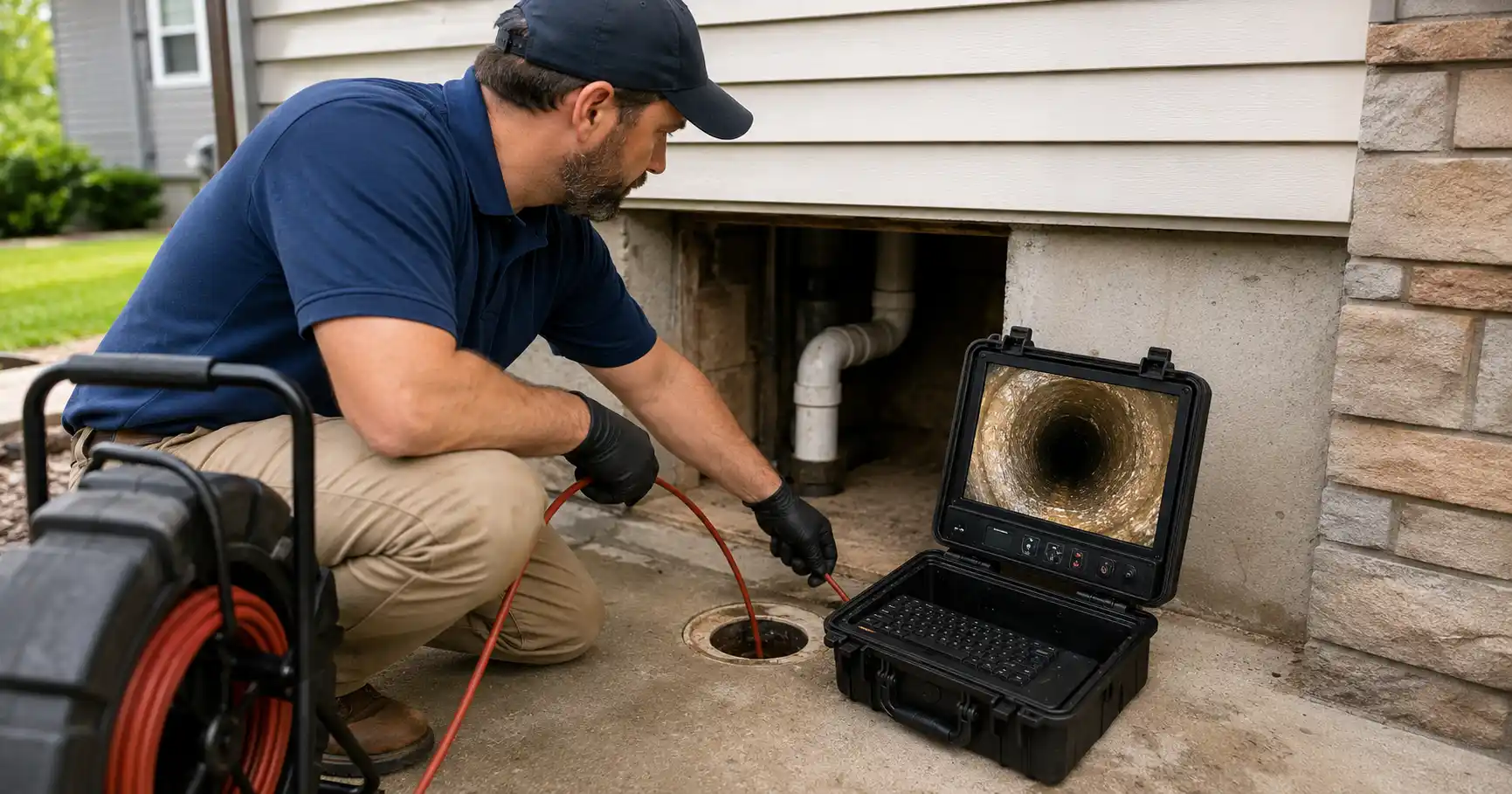
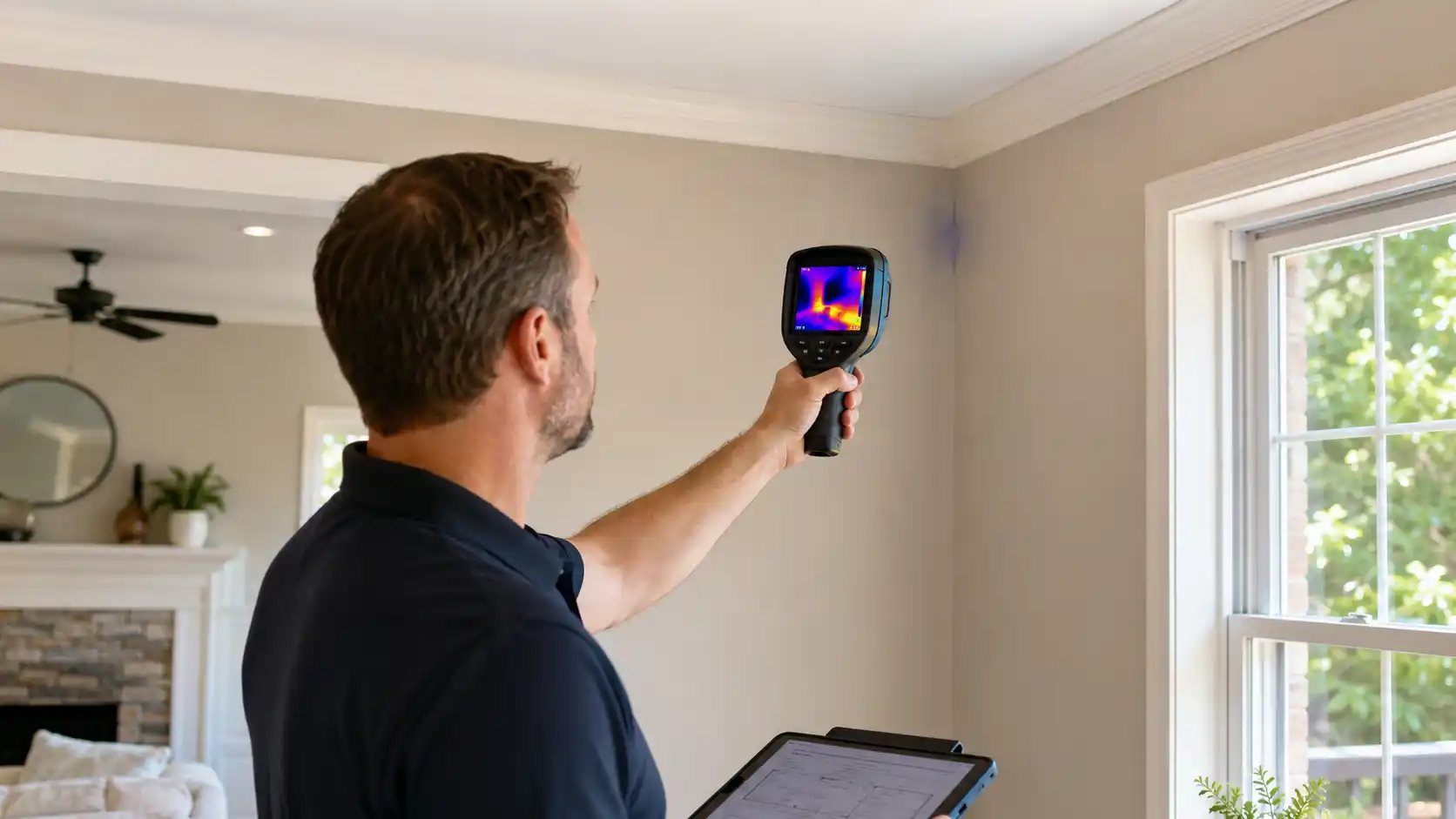
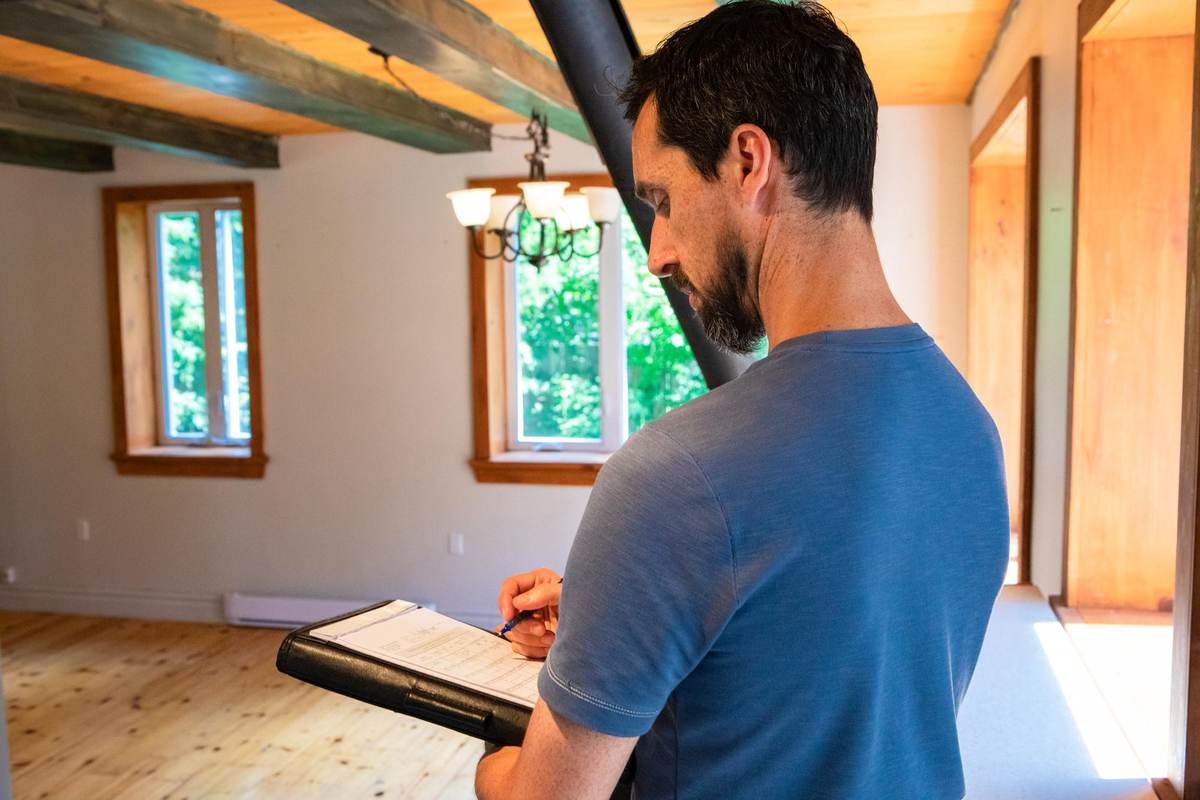
A certified home inspector evaluates the condition of a property before you finalize the purchase. The job of a home inspector is to identify visible and potential problems so you know exactly what you’re getting into. They typically inspect:
- Structural components (foundation, walls, roof)
- Electrical systems
- Plumbing
- HVAC systems (heating and cooling)
- Insulation and ventilation
- Windows, doors, and appliances
After the inspection, you’ll receive a detailed report outlining any issues.
Why Certification of a Home Inspector Matters
Hiring a certified home inspector ensures you’re working with someone who meets professional standards and follows a code of ethics. An InterNACHI-certified home inspector is trained by one of the world’s largest home inspection organizations.
Being certified means:
- They’ve completed formal training
- They follow standardized inspection procedures
- They stay updated through continuing education
This gives you peace of mind that the inspection is thorough and reliable.
How a Certified Home Inspector Protects Buyers
Let’s get into the real value of how they actually help you make smarter decisions.
1. They Reveal Hidden Problems
A house might look perfect during a showing, but issues often hide beneath the surface. A certified inspector can uncover:
- Roof leaks
- Mold or moisture damage
- Faulty wiring
- Plumbing leaks
- Foundation cracks
These hidden problems can cost thousands to fix.
2. They Help You Avoid Costly Surprises
Imagine buying a home only to discover major repairs weeks later. That’s exactly what inspections help prevent. A home inspection report describes:
- What needs immediate repair
- What can wait
- What might become a future issue
This allows you to budget realistically before committing.
3. They Strengthen Your Negotiation Power
Inspection reports can be powerful tools during negotiations. You can:
- Ask the seller to fix issues
- Request a price reduction
- Negotiate closing costs
Without an inspection, you’re negotiating blindly.
4. They Give You Confidence in Your Purchase
Buying a home comes with emotional pressure. It’s easy to rush decisions. A certified home inspector provides clarity so you can move forward with confidence or walk away if needed.
What Makes an InterNACHI Certified Home Inspector Different?
You might be wondering what’s special about InterNACHI? An InterNACHI certified home inspector follows strict guidelines and undergoes rigorous training.
Here’s what sets them apart:
- Adherence to the InterNACHI Standards of Practice
- Required continuing education every year
- Access to advanced tools and resources
- Strong ethical guidelines
This means you’re getting a highly qualified professional who knows exactly what to look for.
What to Expect During a Home Inspection
If you’ve never gone through the process, here’s what typically happens.
Before the Inspection
- You schedule the inspection after your offer is accepted
- The inspector prepares tools and a checklist
During the Inspection
- Takes 2-4 hours, depending on home size
- Examines all accessible areas
- Documents issues with notes and photos
After the Inspection
- You receive a detailed report
- Includes findings, severity, and recommendations
It’s a good idea to attend the inspection if possible. This gives you a chance to ask questions in real time.
Explore what’s included in this Sample Home Inspection Report below:
Common Issues Found in Home Inspections
Even well-maintained homes can have problems. Here are some common findings:
- Roofing damage or aging shingles
- Electrical hazards (outdated panels, exposed wiring)
- Plumbing leaks or corrosion
- Poor drainage around the foundation
- HVAC system inefficiencies
The goal isn’t to find a perfect home, it’s to understand its condition.
DIY Inspection vs Certified Home Inspector
Some buyers consider inspecting their home on their own, but that might not be helpful to avoid unexpected expenses.
DIY Inspection
- Limited knowledge
- May miss hidden issues
- No formal report
Certified Home Inspector
- Trained professional
- Uses specialized tools
- Provides detailed documentation
In short, DIY might save money upfront, but it can cost you much more later.
Tips for Choosing the Right Home Inspector
Not all inspectors offer the same level of quality. Here’s how to choose wisely:
- Look for certifications (especially InterNACHI)
- Check reviews and ratings
- Ask about experience
- Request sample reports
- Verify licensing (if required in your state)
Choosing the right inspector can make a big difference in your experience. You should ask your inspector a few questions before hiring, such as:
- Are you a certified home inspector?
- Are you InterNACHI certified?
- How many inspections have you completed?
- What does your report include?
- How long will the inspection take?
These questions help you gauge their professionalism and expertise.
Make Smarter Decisions With Certified Home Inspectors
A certified home inspector plays a crucial role in helping buyers make smarter, safer decisions. They don’t just point out problems; they give you the knowledge you need to move forward confidently.
Schedule your home inspection with InterNACHI-certified home inspectors of Total House Inspection and make smarter decisions while buying your new home.