A couple in North Carolina bought what they thought was a perfect new home. Everything looked flawless on the surface until they discovered a massive mold infestation. The inspection revealed that the walls were actually soaked with water inside. The builder had missed massive leaks that would have eventually rotted the entire structure from the inside out. They eventually moved out and sued their builder for failure to take responsibility. A timely thermal imaging inspection could have revealed the problem at the onset and salvaged the situation for both the buyers and the builder.
This blog post shows you how thermal imaging can detect these invisible killers before they destroy your home.
How Moisture Detection With Thermal Imaging Works
Water has a high “thermal mass,” which means it holds onto heat differently than wood or drywall. When water evaporates, it actually cools the surface down. A thermal camera picks up these tiny temperature drops that the human eye cannot see. This makes moisture detection with thermal imaging incredibly effective for finding leaks in roofs and behind showers. According to the EPA, controlling moisture is the only way to stop mold from taking over your living space. If you wait until you see a stain, the damage is already done.
Catching Electrical Fire Hazards Before They Start
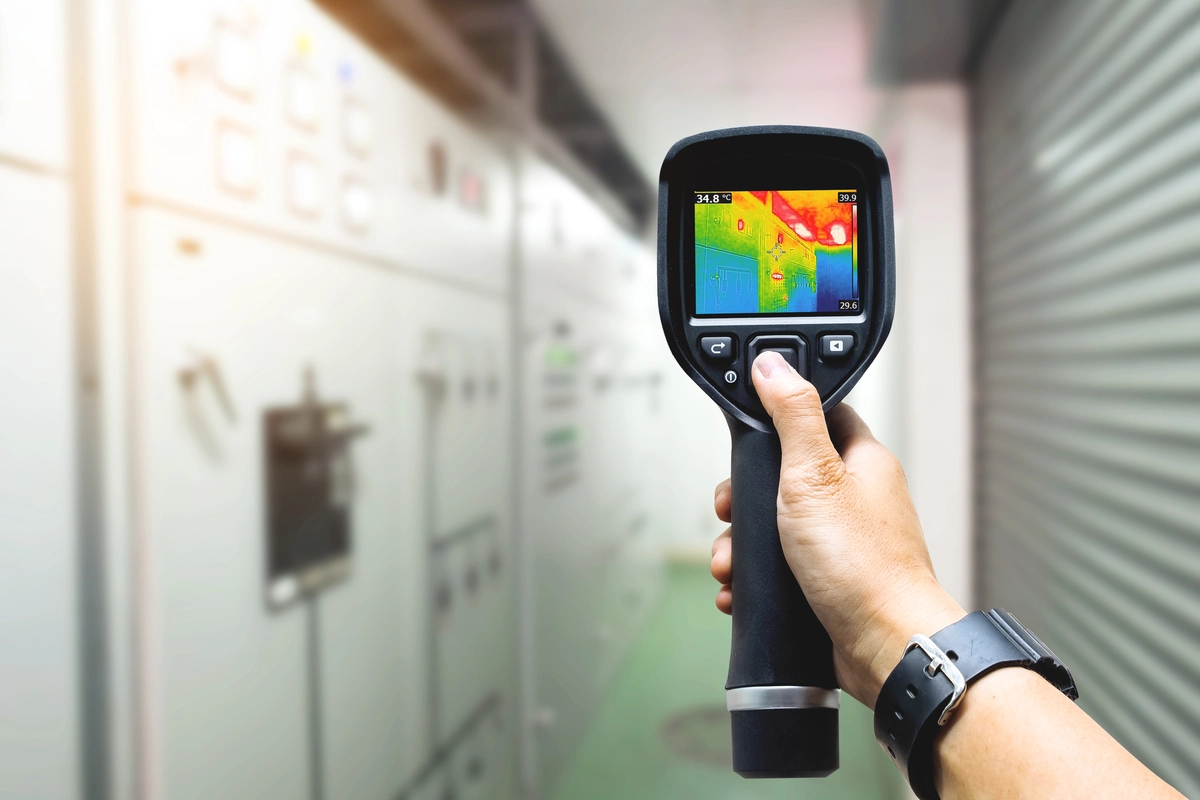
Every year, thousands of house fires start because of faulty wiring or overloaded circuits. These wires get extremely hot right before they fail or ignite. A thermal scan can examine your breaker panel and detect “hot spots” indicating loose connections. These spots look like bright white or yellow glows on the camera screen. The National Fire Protection Association reports that electrical failure is a leading cause of home fires in the United States. Finding a hot wire early can literally save your life.
Spotting Gaps in Your Home’s Insulation
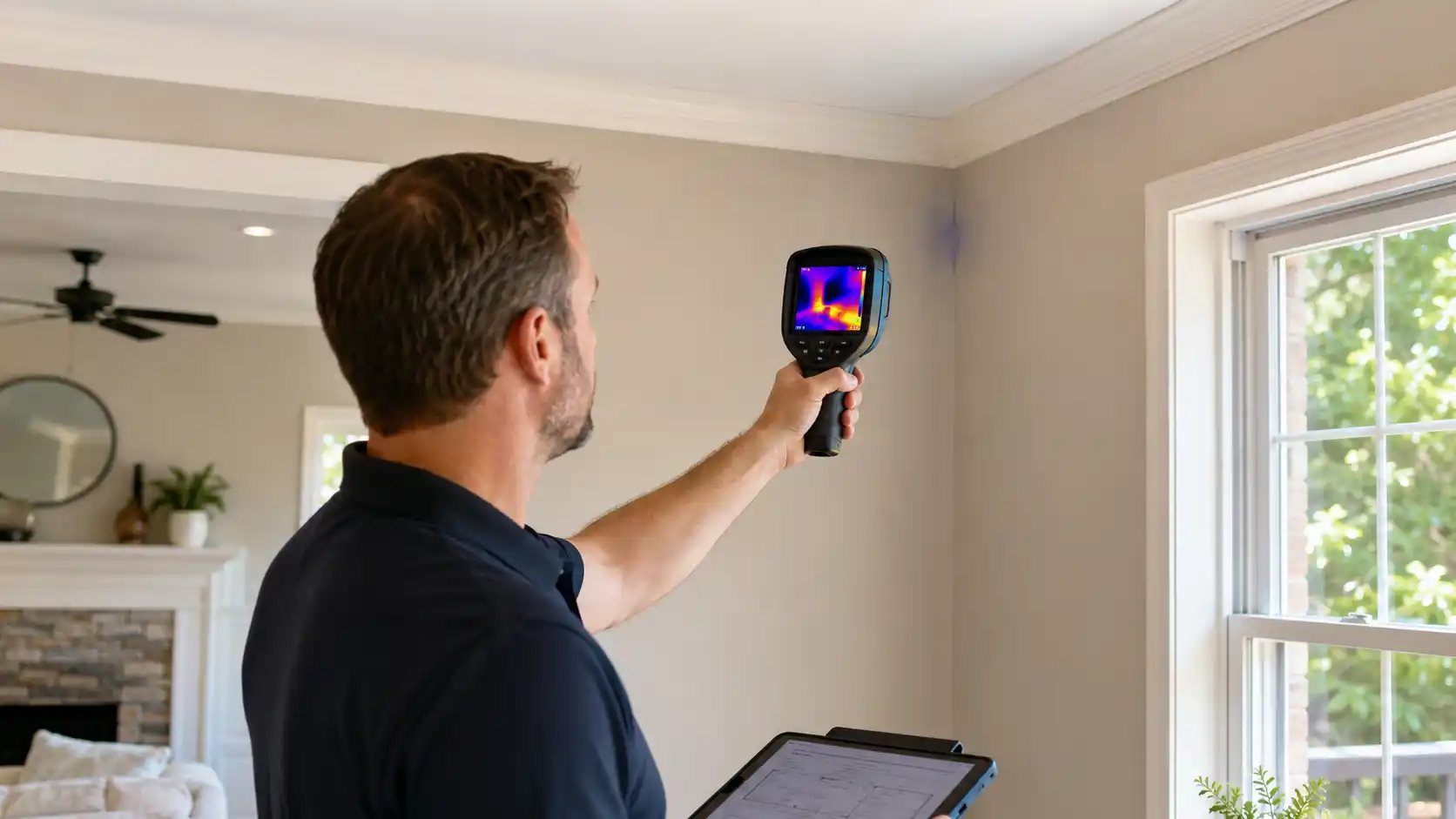
You might be spending hundreds of extra dollars every year on heating and cooling without realizing it. Many builders skip corners or leave gaps in the attic insulation. Thermal imaging inspections show exactly where the cold air is “bleeding” into your house during the winter. It looks like blue streaks pouring down from the ceiling or corners. You cannot fix what you cannot see. That’s why the Department of Energy suggests that properly sealing your home can save you up to 15% on your energy bills.
Finding Hidden Pest Infestations
Termites and rodents are living creatures that generate body heat. When they gather in large numbers inside a wall, they create a thermal signature. Large termite colonies also produce moisture, which is clearly visible on a high-resolution scan. This allows an inspector to find the nest without tearing down your walls. Pests love to hide in spots humans never check. A quick scan can reveal a mouse nest or a beehive before it becomes a massive repair job.
The Problem With Radiant Floor Heating
Radiant floors are a luxury, but they are a nightmare to fix if a pipe breaks. You do not want to start jackhammering your expensive tile just to find a leak. Thermal imaging inspections allow inspectors to see the entire grid of pipes right through the flooring. You can see exactly where the hot water stops flowing or where a leak is spreading. This turns a blind repair into a surgical one. It saves you thousands in labor and flooring replacement costs.
Why Flat Roofs Need Extra Attention
If you have a flat roof or a balcony over a living space, you are at high risk of leaks. Water tends to “pond” on these surfaces and find tiny cracks. The water travels through the roof layers and might pop out ten feet away from the actual leak. This makes traditional leak detection almost impossible. A thermal scan done at sunset is the best way to find the source. The wet insulation holds the sun’s heat longer than the dry parts, lighting up the screen like a neon sign.
Using Thermal Imaging Inspections During a Home Purchase
When you are buying a house, the seller might have put a fresh coat of paint over a water stain. It looks perfect to the naked eye. A thermal camera sees right through that “flip” job. It reveals the dampness hiding under the new paint. This gives you a huge advantage during negotiations. You can prove there is an active leak even if the house looks brand new on the surface.
Get the Full Picture of Your Property
Thermal technology is not magic, but it is the closest thing we have to X-ray vision for your house. It removes the guesswork from home maintenance. Whether you are worried about a high electric bill or a weird smell, a scan provides the answers. It is about catching the small problems before they become catastrophes. Investing in a scan now can prevent a total renovation later. Your home is your biggest asset, so it makes sense to see the whole story.
If you are worried about what might be hiding in your walls, Total House Inspection is here to give you complete clarity. We are a professional home inspection company that uses high-end thermal technology to protect your investment. Our team uncovers the hidden moisture, electrical risks, and insulation gaps that others miss. Reach out to us today to book a scan and secure your peace of mind.